Why Does Acrylic Turn Yellow? Causes and Prevention

Informational

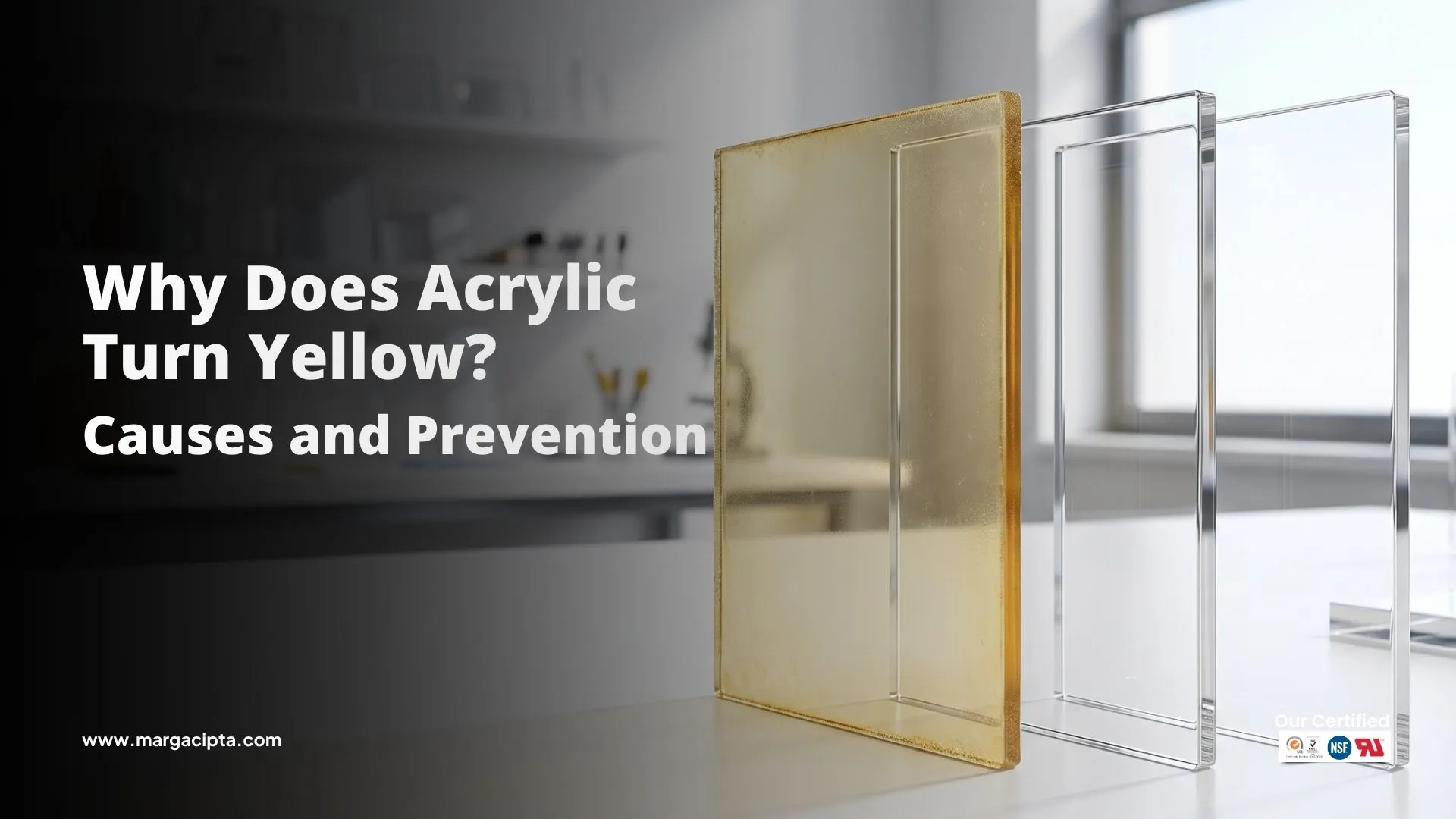
High-quality acrylic sheets are highly resistant to yellowing, but certain environmental conditions and material quality can affect their appearance over time. 

If acrylic becomes yellow, it is often due to prolonged UV exposure, harsh chemicals, excessive heat, or the use of low-quality materials.

Understanding why acrylic turns yellow can help businesses and fabricators choose the right material and maintain its clarity for years.

Does Acrylic Naturally Turn Yellow?

Unlike some plastics, acrylic is well known for its excellent optical clarity and UV resistance.

Premium cast acrylic sheets are manufactured to withstand outdoor exposure while maintaining their transparency and color stability. In many applications, high-quality acrylic can remain clear for years with proper care.

However, not all acrylic sheets offer the same level of performance.

Read also: Best Way to Glue Acrylic Sheet: Adhesives and Application Tips

Common Causes of Acrylic Yellowing

1. Prolonged UV Exposure

Although acrylic is naturally UV-resistant, continuous exposure to intense sunlight over many years may gradually affect lower-quality materials.

UV radiation can accelerate material aging, especially if the acrylic is not designed for outdoor applications.

Using UV-resistant acrylic sheets helps minimize this risk.

2. Poor Material Quality

Material quality is one of the biggest factors influencing long-term appearance.

Lower-quality acrylic may:

  • Yellow more quickly
  • Lose transparency
  • Become brittle over time
  • Develop surface imperfections

Premium cast acrylic generally provides better color stability and weather resistance.

3. Harsh Cleaning Chemicals

Cleaning acrylic with unsuitable chemicals may damage its surface.

Avoid using:

  • Ammonia-based cleaners
  • Strong solvents
  • Alcohol-based cleaners
  • Abrasive cleaning products

These chemicals can weaken the surface and contribute to discoloration over time.

Instead, use acrylic-safe cleaners and a soft microfiber cloth.

4. Excessive Heat

Exposure to high temperatures for extended periods can accelerate the aging process of acrylic.

While acrylic performs well in many environments, excessive heat combined with UV exposure may gradually reduce its visual quality.

5. Improper Storage

Storing acrylic sheets in unsuitable environments can also affect their appearance.

To maintain quality:

  • Store sheets indoors when possible
  • Keep them away from excessive sunlight before installation
  • Protect surfaces from dust and contaminants

Proper storage helps preserve the material before fabrication.

How to Prevent Acrylic from Turning Yellow

The best way to maintain acrylic clarity is through proper material selection and maintenance.

Recommended practices include:

  • Choose premium UV-resistant acrylic sheets.
  • Clean using acrylic-safe cleaning solutions.
  • Avoid harsh chemicals and abrasive tools.
  • Install the correct acrylic grade for outdoor applications.
  • Follow manufacturer recommendations for handling and maintenance.

These simple steps can significantly extend the lifespan of acrylic products.

Why High-Quality Acrylic Matters

Premium acrylic sheets offer several long-term advantages, including:

  • Excellent UV resistance
  • Superior optical clarity
  • Better weather durability
  • Improved color stability
  • Consistent performance over time

Choosing high-quality acrylic helps reduce maintenance and improves the longevity of finished products.

Marga Cipta manufactures premium cast acrylic sheets suitable for signage, displays, architectural features, retail applications, and other projects that require long-lasting clarity and performance.

Read also: How Long Does Acrylic Last Outdoors? Lifespan, UV Resistance, and Maintenance

Conclusion

So, why does acrylic turn yellow? In most cases, yellowing is caused by prolonged UV exposure, harsh chemicals, excessive heat, or poor material quality.

By selecting premium UV-resistant acrylic sheets and following proper maintenance practices, businesses can keep acrylic products clear, durable, and visually appealing for many years.

Choose High-Quality Acrylic for Long-Lasting Performance

Marga Cipta offers premium cast acrylic sheets designed for excellent clarity, weather resistance, and durability across a wide range of applications.

For inquiries or orders, email info@margacipta.com.

For product updates, inspiration, and application ideas, follow Instagram @margacipta.

News Release

Bulk Acrylic Sheet Supplier: What to Look for Before Buying

Choosing the right bulk acrylic sheet supplier is essential for ensuring consistent product quality, reliable supply, and long-term business success. 

Whether you're a distributor, manufacturer, fabricator, or commercial buyer, partnering with a trusted supplier helps improve production efficiency while reducing material-related issues.

Before purchasing acrylic sheets in bulk, it's important to evaluate more than just pricing.

Why Choosing the Right Supplier Matters

Bulk purchases often support ongoing production or large-scale projects.

A reliable supplier helps ensure:

  • Consistent material quality
  • Stable inventory availability
  • Reliable delivery schedules
  • Technical product support
  • Better long-term value

Working with the right supplier can reduce production delays and minimize material waste.

Read also: Acrylic Sheet Price Factors: What Affects the Cost of Acrylic Sheets?

1. Product Quality

The first factor to evaluate is the quality of the acrylic sheets.

High-quality acrylic should provide:

  • Excellent optical clarity
  • Consistent thickness
  • Smooth surfaces
  • Reliable durability
  • Stable color consistency

Consistent material quality contributes to better fabrication results and improved product performance.

2. Product Range

A supplier with a comprehensive product portfolio can better support different project requirements.

Look for suppliers offering:

  • Clear acrylic sheets
  • Colored acrylic sheets
  • Satin acrylic
  • Frosted acrylic
  • Various thicknesses and sheet sizes

A wider selection allows greater flexibility across multiple applications.

3. Manufacturing Standards

Reliable suppliers maintain strict manufacturing standards to ensure consistency from one batch to another.

Consistent production quality helps reduce:

  • Material defects
  • Fabrication issues
  • Dimensional variations
  • Color inconsistencies

This is especially important for businesses handling repeat orders.

4. Supply Reliability

A dependable supplier should be able to maintain stable inventory and deliver products on schedule.

Reliable supply helps businesses avoid:

  • Production interruptions
  • Delayed customer deliveries
  • Emergency material sourcing

Consistency is particularly important for manufacturers and distributors purchasing in bulk.

5. Technical Support

Experienced suppliers should be able to assist customers with product selection based on application requirements.

This may include recommendations regarding:

  • Acrylic type
  • Sheet thickness
  • Surface finish
  • Fabrication compatibility

Technical guidance helps buyers select the most appropriate material for their projects.

6. Long-Term Value

While price is an important consideration, the lowest price does not always provide the best value.

Premium acrylic sheets often deliver:

  • Better durability
  • Improved fabrication performance
  • Lower defect rates
  • Longer service life

Evaluating overall value rather than price alone helps support better purchasing decisions.

Read also: How to Bend Acrylic Sheet: Methods, Tools, and Best Practices

Why Choose Marga Cipta

Marga Cipta is a trusted manufacturer of premium cast acrylic sheets, serving customers across various industries.

Our acrylic sheets are suitable for:

  • Signage
  • Retail displays
  • Interior design
  • Industrial fabrication
  • Architectural applications
  • Custom manufacturing

With consistent quality and a wide range of product options, Marga Cipta supports businesses requiring reliable acrylic materials for bulk purchases.

Conclusion

Selecting the right bulk acrylic sheet supplier involves evaluating product quality, manufacturing consistency, technical expertise, and long-term reliability—not just price.

Partnering with a trusted supplier helps businesses achieve better production efficiency and consistent product quality across every project.

Partner with Marga Cipta for Premium Acrylic Sheets

Looking for a reliable bulk acrylic sheet supplier? Marga Cipta offers premium cast acrylic sheets in various sizes, thicknesses, and finishes to support your business needs.

For inquiries or bulk orders, email info@margacipta.com.

For product information, project inspiration, and the latest updates, follow Instagram @margacipta.

Best Acrylic Sheet for Signage: Types, Thickness & Tips

The best acrylic sheet for signage depends on clarity, durability, thickness, and fabrication needs.

For most signage applications, clear or colored cast acrylic sheets are preferred because they offer excellent optical clarity, durability, and machining performance.

Acrylic signage is widely used because it provides a modern, glass-like appearance while being lighter and more durable.

Types of Acrylic Sheets for Signage

Different acrylic sheet types are designed for different applications.

Cast Acrylic

Cast acrylic is considered the premium choice for signage.

Advantages:

  • Superior optical clarity
  • Better chemical resistance
  • Excellent for laser cutting and engraving

Best for:

  • Premium signage
  • LED light panels
  • Decorative displays

Extruded Acrylic

Extruded acrylic is produced through a continuous manufacturing process.

It is usually more affordable, but for long-term projects or premium signage, extruded acrylic may require earlier replacement or maintenance compared to higher-grade acrylic materials.

Best for:

  • Budget signage
  • Simple display panels
  • Short-term or temporary installations

Read also: How to Identify High-Quality Cast Acrylic Sheets

Recommended Acrylic Thickness for Signage

The ideal thickness depends on the size and installation method.

Sign Type

Recommended Thickness

Small indoor signage

2–3 mm

Wall signage

3–5 mm

Outdoor signage

5–8 mm

Large signage panels

8–10 mm

Thicker acrylic provides better rigidity and durability for larger signs.

Why Acrylic Is Popular for Signage

Acrylic sheets are widely used in the signage industry because they offer several benefits.

High Clarity

Acrylic provides a glass-like finish that enhances the appearance of logos and graphics.

Easy Fabrication

Acrylic can be:

  • Laser cut
  • CNC engraved
  • UV printed
  • Heat bent

This makes it ideal for creative signage designs.

Lightweight and Durable

Compared to glass, acrylic is lighter and easier to install while still offering good durability.

Read also: Clear Acrylic Sheet vs Glass: Pros, Cons & Key Differences

Choosing a Reliable Acrylic Manufacturer

For consistent quality and precise dimensions, it is important to source acrylic sheets from a reliable manufacturer such as
PT. Margacipta Wirasentosa.

Quality acrylic sheets provide:

  • Stable thickness
  • High optical clarity
  • Reliable durability for signage applications.

FAQ: Acrylic Sheet for Signage

What type of acrylic is best for signage?

Cast acrylic is generally considered the best option for premium signage.

What thickness acrylic should be used for signage?

Most signage uses acrylic between 3 mm and 8 mm depending on size.

Can acrylic signs be used outdoors?

Yes, high-quality acrylic sheets are suitable for outdoor signage.

Is acrylic better than glass for signage?

Acrylic is usually preferred because it is lighter, safer, and easier to fabricate.

Choose the Right Acrylic Sheet for Your Signage Project

Using the right acrylic sheet can significantly improve the durability, appearance, and overall quality of your signage.

PT. Margacipta Wirasentosa offers a range of acrylic sheets designed for signage applications, including clear and colored panels with consistent thickness and excellent surface quality.

  • Ideal for LED signage and light boxes
  • Suitable for laser cutting and engraving
  • Available in multiple thickness options
  • Reliable clarity and durability for indoor and outdoor signage

Get in touch with our team at info@margacipta.com to find the best acrylic sheet solution for your signage needs.

Best Way to Glue Acrylic Sheet: Adhesives and Application Tips

The best way to glue acrylic sheet is by using adhesives specifically formulated for acrylic, combined with proper surface preparation and careful application. 

Choosing the right adhesive and technique helps create strong, nearly invisible joints while minimizing bubbles, gaps, or surface damage.

Whether you're fabricating retail displays, signage, furniture, or custom acrylic products, understanding how to bond acrylic correctly is essential for achieving professional results.

Why Acrylic Requires Special Adhesives

Unlike wood or metal, acrylic cannot be effectively bonded using standard household glues.

Acrylic adhesives work by chemically bonding or welding the material, creating a much stronger connection than ordinary glue.

Using the correct adhesive offers several advantages:

  • Strong and durable joints
  • Clear, clean bonding lines
  • Better resistance to separation
  • Professional appearance

Selecting the wrong adhesive may lead to weak bonds, discoloration, or visible glue marks.

Read also: How to Bend Acrylic Sheet: Methods, Tools, and Best Practices

Common Adhesives for Acrylic Sheets

Several types of adhesives are commonly used depending on the project.

Solvent-Based Acrylic Cement

This is the preferred choice for many acrylic fabrication projects.

It softens the acrylic surfaces, allowing them to fuse together into a strong bond.

Ideal for:

  • Display cases
  • Retail fixtures
  • Signage
  • Clear acrylic assemblies

Two-Part Acrylic Adhesive

Two-part adhesives provide excellent strength and are suitable for larger or structural applications.

They are often used when maximum durability is required.

Specialty Acrylic Adhesives

Some manufacturers offer adhesives formulated specifically for decorative or high-performance acrylic applications.

These products are designed to maintain clarity while providing reliable bonding.

How to Prepare Acrylic Before Gluing

Proper preparation is essential for achieving a clean bond.

Before applying adhesive:

  • Clean the surfaces thoroughly
  • Remove dust and grease
  • Ensure edges fit together accurately
  • Leave protective film in place where possible to prevent scratches

Good preparation reduces the likelihood of visible imperfections after bonding.

Best Practices for Applying Adhesive

To achieve professional results:

Apply Adhesive Sparingly

Using excessive adhesive can create bubbles or overflow marks.

Align the Pieces Carefully

Position the acrylic accurately before the adhesive cures, as adjustments may become difficult afterward.

Use Clamps if Necessary

Gentle clamping helps maintain alignment while the adhesive sets.

Allow Adequate Curing Time

Follow the manufacturer's recommendations before moving or using the finished product.

Common Mistakes to Avoid

Avoid these common errors when gluing acrylic sheets:

  • Using general-purpose household glue
  • Applying too much adhesive
  • Bonding dirty surfaces
  • Forcing pieces together after curing begins
  • Handling the assembly before it has fully cured

Proper technique helps improve both strength and appearance.

Why High-Quality Acrylic Matters

Bonding performance also depends on the quality of the acrylic sheet itself.

Premium acrylic typically offers:

  • Consistent thickness
  • Smooth edges
  • Better machining quality
  • More reliable fabrication performance

Using high-quality acrylic helps achieve cleaner joints and more professional finished products.

Marga Cipta supplies premium acrylic sheets suitable for fabrication, laser cutting, engraving, and custom manufacturing applications.

Read also: Acrylic Cleaner Guide: Safe Liquids to Clean Acrylic Without Damage

Conclusion

Knowing how to glue acrylic sheet properly is essential for creating durable and visually appealing acrylic products.

By choosing the right adhesive, preparing the material correctly, and following proper application techniques, manufacturers and fabricators can achieve strong, long-lasting bonds.

Looking for High-Quality Acrylic Sheets?

Marga Cipta offers premium acrylic sheets in various thicknesses, colors, and finishes for signage, displays, furniture, and fabrication projects.

For inquiries or orders, email info@margacipta.com.

For product information, inspiration, and the latest updates, follow Instagram @margacipta.

Acrylic Usage Trends 2026: New Applications in Design and Industry

Acrylic continues to gain momentum as one of the most versatile materials across design, construction, and manufacturing industries. Known for being lightweight, strong, highly transparent, and easy to fabricate, acrylic is increasingly replacing traditional materials such as glass and metal.

As we move into 2026, acrylic is no longer limited to signage or displays. Its applications are expanding rapidly, opening new opportunities for businesses, designers, architects, and manufacturers. Below are the key acrylic usage trends predicted to shape design and industry in 2026.

Trend 1: Acrylic Interior Panels

One of the strongest acrylic usage trends in 2026 is the rise of acrylic interior panels for both commercial and residential buildings.

Why this trend is growing:

The rapid development of offices, retail spaces, hotels, and modern housing has increased demand for materials that are visually appealing, durable, and cost-efficient. Acrylic interior panels offer high clarity and a sleek, minimalistic look, making them ideal for partitions, wall panels, and decorative elements.

Compared to glass, acrylic is more affordable, lighter, and easier to install. Designers and architects also favor acrylic for its flexibility in color, thickness, and finish, allowing them to create modern interior concepts without compromising safety or aesthetics.

Read also: 100% Virgin MMA: The Key to High-Quality Acrylic Sheets

Trend 2: LED Signage and Display Systems

LED signage remains one of the most dominant acrylic applications heading into 2026.

Why this trend continues to rise:

Offline retail transformation is still strong, particularly in developing markets where physical stores continue to evolve. Many small and medium-sized businesses are renovating storefronts and upgrading visual branding, increasing demand for LED signage and display systems.

Acrylic is the preferred material for LED signage due to its excellent light transmission, smooth surface, and ability to diffuse light evenly. From illuminated logos and lightboxes to promotional displays, acrylic helps businesses create brighter, more attractive visual communication.

Trend 3: Acrylic Greenhouse Panels

Sustainability and food security are driving the growth of urban farming, hydroponics, and smart agriculture—making acrylic greenhouse panels a key trend in 2026.

Why this trend is emerging:

Acrylic offers superior UV resistance, high transparency, and better impact strength compared to glass. These properties make it ideal for greenhouse roofs and walls, where consistent light transmission and durability are essential.

As urban farming expands into rooftops, compact land areas, and controlled environments, acrylic greenhouse panels provide a long-lasting, lightweight solution that supports plant growth while reducing maintenance costs.

Read also: Food Grade Acrylic: Safe Choice for Your F&B Business

Trend 4: Furniture, Home Décor, and Small Products

Acrylic furniture and decorative items are gaining popularity, influenced heavily by social media-driven interior trends.

Why this trend is accelerating:

Clean, modern, and minimalist interiors are in high demand, and acrylic fits perfectly into this aesthetic. Furniture such as acrylic chairs, tables, shelves, and decorative panels offers a contemporary look without making spaces feel heavy.

In addition, e-commerce sellers increasingly use acrylic for DIY products and small household items. Consumers prefer materials that are lightweight, modern, durable, and visually appealing—qualities that acrylic delivers consistently.

Acrylic: A Material with Expanding Relevance

The versatility of acrylic makes it increasingly relevant across industries beyond traditional applications. From architecture and retail to agriculture and lifestyle products, acrylic continues to adapt to changing market needs.

To support these growing demands, choosing a high-quality material is essential. MC® Cast Acrylic Sheet is a proven solution, offering consistent clarity, strength, and fabrication performance for both design and industrial applications.

Conclusion

Acrylic usage trends in 2026 highlight a clear shift toward materials that combine aesthetics, durability, and flexibility. Interior panels, LED signage, greenhouse systems, and furniture are just a few examples of how acrylic is shaping the future of design and industry.

By leveraging reliable materials like MC® Cast Acrylic Sheet, businesses can stay ahead of trends and unlock new opportunities in an evolving market.