Christmas Acrylic Product Ideas for Your Business: Creative & Profitable Opportunities

Informational

The Christmas season is one of the most profitable times of the year for businesses across retail, events, and gifting industries. As consumers look for festive décor, premium hampers, and meaningful gifts, acrylic has become a preferred material thanks to its modern appearance, durability, and versatility.

Lightweight yet strong, easy to fabricate, and visually elegant, acrylic allows businesses to create Christmas products that feel premium and reusable.

Below are several Christmas acrylic product ideas that can help your business stand out during the holiday season.

Why Acrylic is Ideal for Christmas Products

Acrylic offers a unique combination of aesthetics and functionality. It has a glass-like clarity that enhances product presentation, yet it is more impact-resistant and easier to handle.

Acrylic can be cut, engraved, bent, or printed, making it suitable for both decorative and functional Christmas items.

Additionally, acrylic products are reusable, which appeals to consumers seeking long-lasting value rather than disposable seasonal décor.

Read more: Acrylic for Art and Crafts, Endless Creativity Only for You

1. Acrylic Hampers Box and Gift Box

Acrylic hamper boxes are one of the most popular Christmas acrylic products. Compared to cardboard or paper packaging, acrylic boxes instantly create a more premium and luxurious impression.

These boxes are ideal for:

  • Food and beverage hampers

  • Skincare and beauty sets

  • Corporate Christmas gifts

Because acrylic is strong and reusable, customers can repurpose the box after the holidays, increasing the perceived value of the product. Transparent or frosted acrylic also allows the contents to be clearly displayed, enhancing visual appeal.

2. Acrylic Christmas Decorations

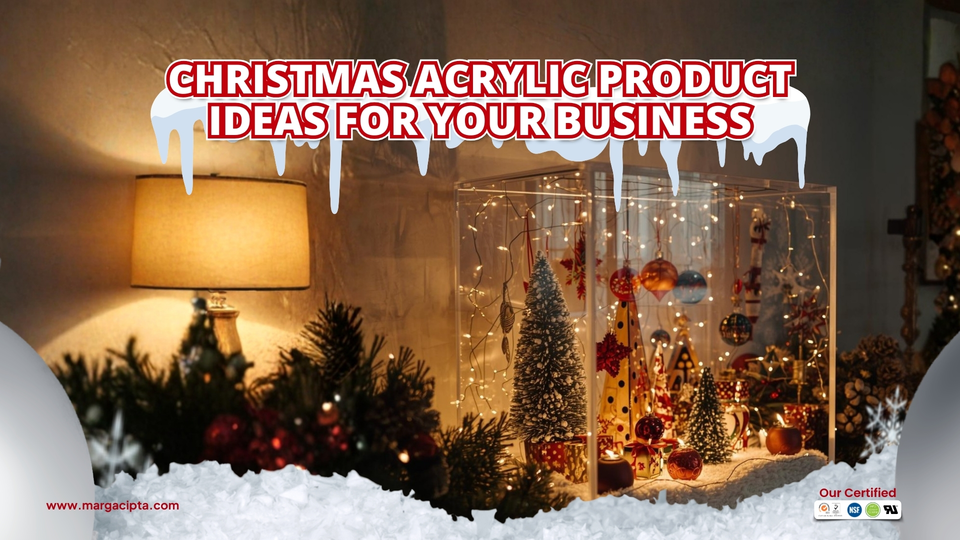
Acrylic is perfect for creating festive decorations with clean and modern aesthetics. Popular designs include:

  • Snowflakes

  • Mini Christmas trees

  • Hanging ornaments

  • Tabletop décor

These acrylic decorations are suitable for homes, offices, cafés, and retail displays. With various color options and finishes, businesses can offer both classic and contemporary Christmas themes.

Read more: Enhance Your Business Visibility with Cast Acrylic Sheet

3. Acrylic Stage Decoration for Christmas Events

For Christmas events, acrylic is an excellent choice for stage and backdrop decorations. It is lightweight, easy to install, and visually striking—ideal for large-scale designs.

Acrylic can be used for:

  • Event backdrops

  • Illuminated signage

  • Large decorative panels

  • Photo booth installations

Its polished finish gives events a professional and festive atmosphere, while its flexibility allows for custom shapes and branding.

4. Acrylic Photo Frames

Acrylic photo frames remain a timeless favorite. Their modern and minimalist look makes them suitable for Christmas gifts, home décor, and corporate giveaways.

These frames work well for:

  • Family holiday photos

  • Personalized gifts

  • Office and retail decoration

Clear acrylic frames, in particular, create a clean and elegant display that complements any interior style.

Read more: Acrylic Application for Accessories: Stylish, Durable, and Versatile

Ready to Produce Your Christmas Acrylic Products?

With the right designs and high-quality materials, Christmas acrylic products can become a strong revenue driver for your business.

From hampers and décor to event installations and personalized gifts, acrylic offers endless possibilities for creative and profitable holiday items.

By using reliable cast acrylic sheets, businesses can ensure consistent quality, durability, and visual appeal—helping them deliver products that customers will value long after the Christmas season ends.
News Release

Why Does Acrylic Become Brittle? Common Mistakes You Should Avoid

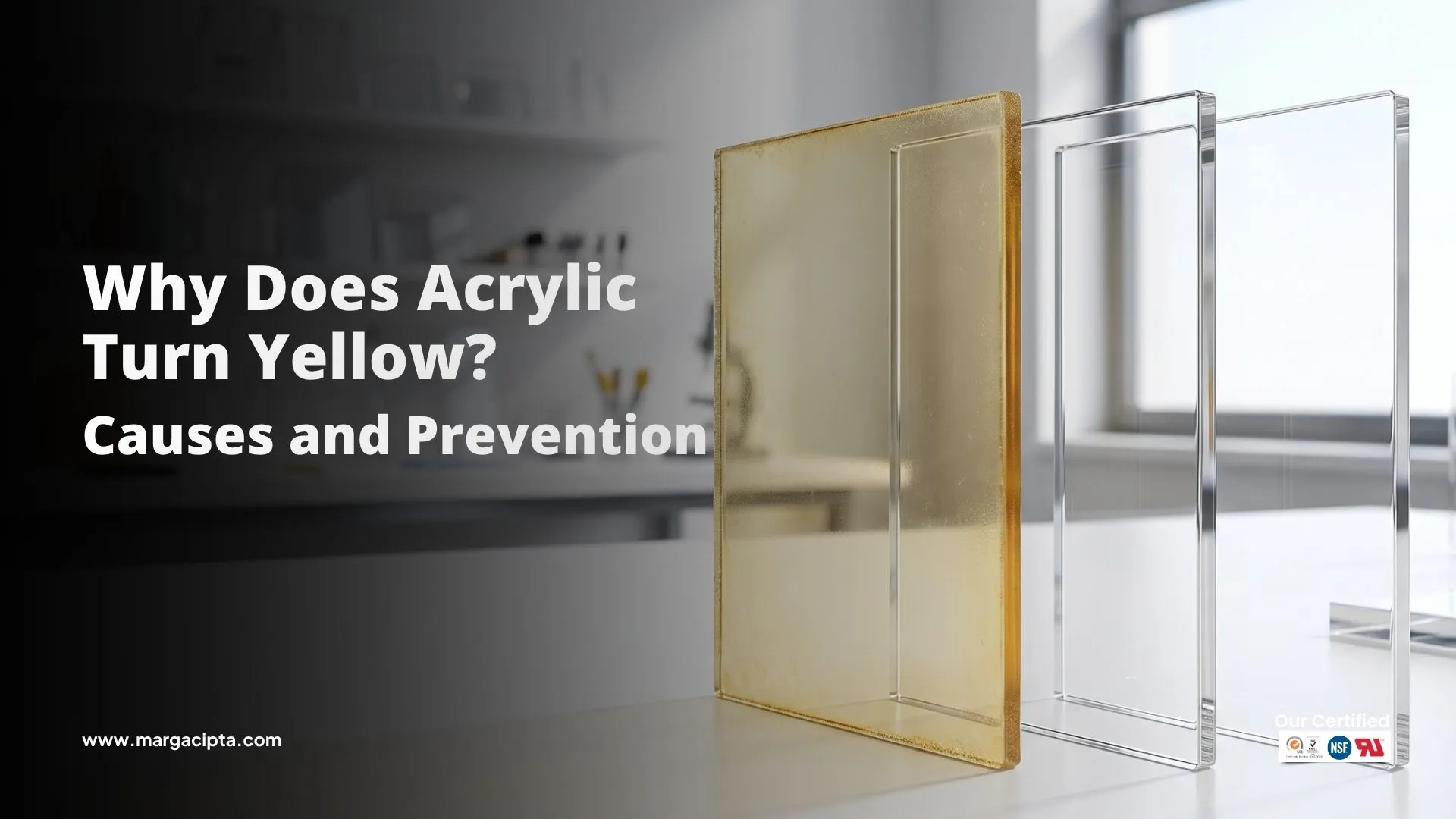
Acrylic becomes brittle due to factors such as improper cleaning, excessive heat exposure, UV damage, and poor material handling.

Over time, these conditions can weaken the structure of acrylic sheets, making them more prone to cracking or breaking.

Understanding what causes acrylic to become brittle is important for maintaining its durability and appearance.

What Causes Acrylic to Become Brittle?

Although acrylic is known for its strength and durability, it can lose flexibility if exposed to damaging conditions for extended periods.

Several common factors contribute to brittleness.

Read also: Best Acrylic Thickness for Plaque: Complete Guide for Durable Results

1. Exposure to Harsh Chemicals

One of the biggest causes of brittle acrylic is the use of aggressive cleaning chemicals.

Chemicals such as:

  • Ammonia-based cleaners
  • Alcohol-based liquids
  • Strong solvents

can damage the acrylic surface and weaken its internal structure.

Over time, this may lead to:

  • Surface cracking
  • Cloudiness
  • Reduced flexibility

Using acrylic-safe cleaners is essential for long-term durability.

2. Excessive Heat

High temperatures can affect the stability of acrylic sheets.

Continuous exposure to excessive heat may cause:

  • Warping
  • Surface stress
  • Increased brittleness

Acrylic should be kept away from direct heat sources or environments with extreme temperature fluctuations.

3. UV Exposure Over Time

While many acrylic sheets have good UV resistance, prolonged outdoor exposure can still contribute to material aging.

Without proper UV protection, acrylic may gradually:

  • Become dry and rigid
  • Lose clarity
  • Develop microcracks

Using high-quality UV-resistant acrylic helps minimize this issue.

4. Improper Fabrication

Incorrect fabrication methods can introduce stress into the material.

Examples include:

  • Excessive drilling pressure
  • Poor cutting techniques
  • Uneven bending processes

These internal stresses may not appear immediately but can eventually cause cracks or brittleness.

Using proper fabrication equipment and high-quality acrylic sheets helps reduce the risk.

5. Poor Material Quality

Low-quality acrylic sheets are generally more susceptible to damage and brittleness.

Inferior materials may have:

  • Inconsistent composition
  • Lower impact resistance
  • Poor durability over time

This is why choosing reliable acrylic suppliers is important for long-term performance.

How to Prevent Acrylic from Becoming Brittle

To maintain acrylic durability:

  • Use mild acrylic-safe cleaners
  • Avoid excessive heat exposure
  • Store materials properly
  • Use correct fabrication techniques
  • Choose high-quality acrylic sheets

Proper maintenance significantly extends the lifespan of acrylic applications.

Why Acrylic Quality Matters

Premium acrylic sheets provide:

  • Better structural stability
  • Improved UV resistance
  • More consistent fabrication performance

For businesses and manufacturers, high-quality materials help reduce production defects and improve long-term reliability.

Marga Cipta supplies high-quality acrylic sheets suitable for signage, fabrication, displays, and decorative applications.

Read also: Best Acrylic Thickness for Ornaments: Size Guide for Perfect Results

Conclusion

Understanding what makes acrylic brittle helps prevent unnecessary damage and extends the lifespan of acrylic materials.

Factors such as harsh chemicals, heat exposure, UV damage, and improper fabrication can weaken acrylic over time. By using proper handling methods and high-quality acrylic sheets, you can maintain durability and achieve better long-term performance.

Ready to explore our cast acrylic options? At Margacipta Wirasentosa, we offer high-quality clear cast acrylic sheets from 100% virgin MMA in various thicknesses and custom sizes to fit your needs.

Reach out to our Instagram or download our Product Catalog for more information.

Is Acrylic Waterproof? Understanding Its Water Resistance

Yes, acrylic is waterproof. Acrylic sheets do not absorb water and can maintain their structural integrity even when exposed to moisture, rain, or humid environments.

This water resistance is one of the reasons acrylic is widely used in applications ranging from signage and displays to aquariums and protective barriers.

However, understanding what "waterproof" means in the context of acrylic can help ensure the material is used appropriately.

What Does Waterproof Mean for Acrylic?

When people ask whether acrylic is waterproof, they typically want to know whether water can damage the material.

Acrylic's non-porous surface prevents water from penetrating the material, which means it does not:

  • Swell
  • Rot
  • Rust
  • Absorb moisture

This makes acrylic a reliable material for environments where water exposure is common.

Read also: Why Does Acrylic Become Brittle? Common Mistakes You Should Avoid

How Does Acrylic Perform in Wet Conditions?

Acrylic performs exceptionally well when exposed to water.

Unlike wood or certain composite materials, acrylic remains stable even after repeated contact with moisture.

It can be used in environments such as:

  • Outdoor installations
  • Bathrooms
  • Aquariums
  • Decorative water features
  • Protective covers

Its resistance to moisture helps preserve both appearance and functionality.

Is Acrylic Suitable for Outdoor Rain Exposure?

Yes. Acrylic is commonly used outdoors because it can withstand rain and humidity without deterioration.

When paired with its natural UV resistance, acrylic becomes an excellent option for:

  • Outdoor signage
  • Display panels
  • Architectural features
  • Protective barriers

High-quality acrylic sheets can maintain their clarity and performance for years in outdoor environments.

Acrylic vs Other Materials in Wet Environments

Compared to many traditional materials, acrylic offers several advantages.

Acrylic vs Wood

Wood can absorb water, expand, and deteriorate over time. Acrylic remains unaffected by moisture.

Acrylic vs Metal

Certain metals can rust when exposed to water. Acrylic does not corrode.

Acrylic vs Glass

Both materials resist water, but acrylic offers the added benefits of lighter weight and greater impact resistance.

Applications That Benefit from Acrylic's Water Resistance

Many industries rely on acrylic because of its ability to perform in wet environments.

Common examples include:

  • Aquariums
  • Splash guards
  • Outdoor signage
  • Retail displays
  • Interior partitions
  • Decorative installations

Its combination of water resistance and visual clarity makes it a versatile material for both functional and decorative uses.

Read also: What is Satin Acrylic? A Complete Guide to Its Look and Function

Does Water Affect Acrylic Over Time?

Water itself generally does not damage acrylic.

However, performance can be affected if acrylic is exposed to:

  • Harsh cleaning chemicals
  • Improper installation
  • Extreme mechanical stress

Using proper maintenance techniques helps preserve the material's appearance and durability.

Why Material Quality Matters

The quality of the acrylic sheet plays a significant role in long-term performance.

Premium acrylic typically offers:

  • Better clarity
  • More consistent thickness
  • Improved weather resistance
  • Enhanced durability

Marga Cipta supplies high-quality acrylic sheets suitable for applications that require durability, transparency, and reliable water resistance.

Conclusion

Is acrylic waterproof? Yes, acrylic is highly water-resistant and does not absorb moisture.

Its waterproof characteristics, combined with excellent clarity and durability, make it a preferred material for both indoor and outdoor applications.

By choosing high-quality acrylic sheets, businesses and fabricators can maximize performance in wet and humid environments.

Ready to explore our cast acrylic options? At Margacipta Wirasentosa, we offer high-quality clear cast acrylic sheets from 100% virgin MMA in various thicknesses and custom sizes to fit your needs.

Reach out to our Instagram or download our Product Catalog for more information.

What Acrylic to Use for Cake Topper: A Complete Material Guide

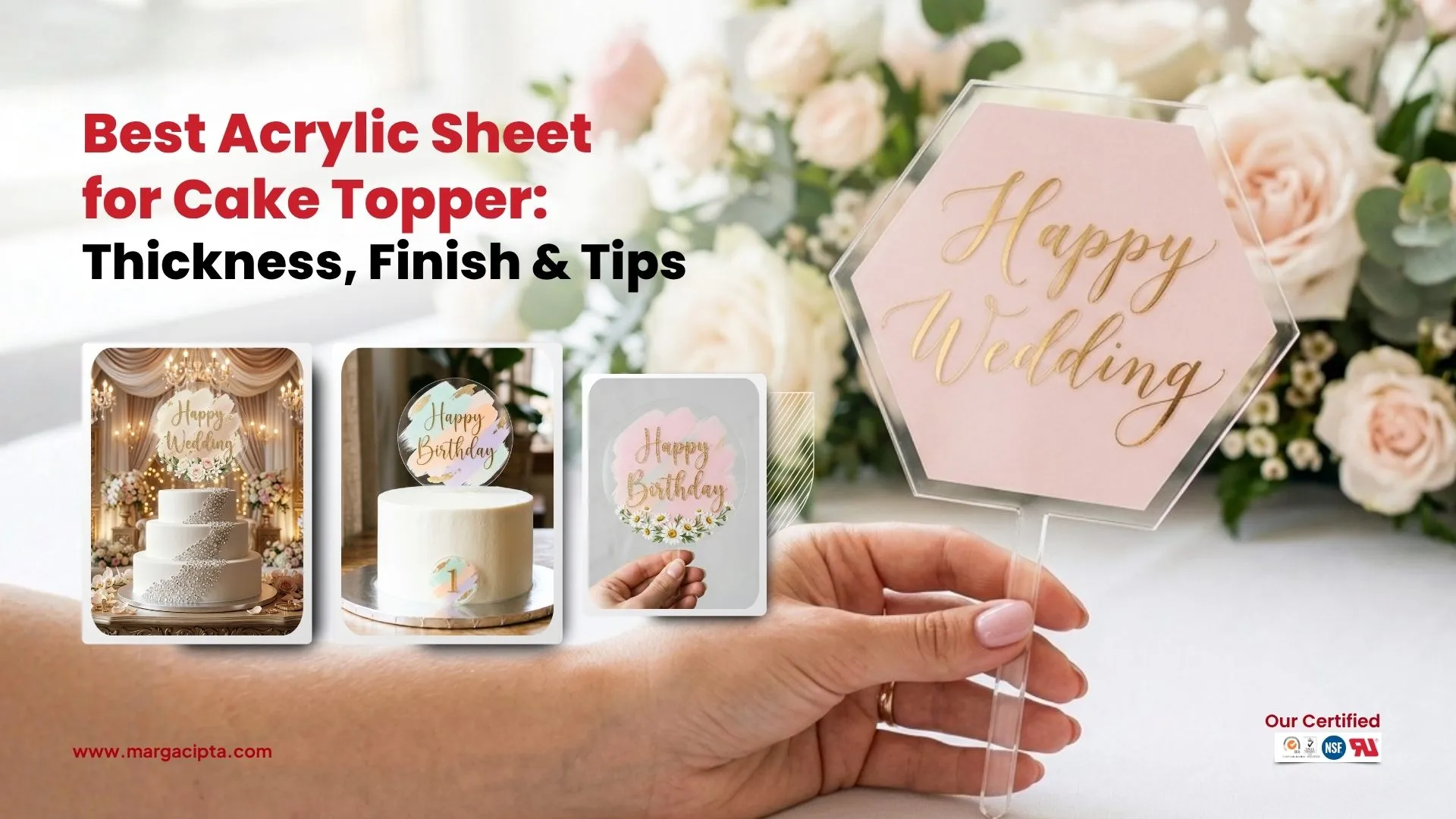
If you are planning to create cake toppers, one of the most common questions is: what acrylic to use for cake topper projects? Choosing the right type of acrylic is essential to ensure durability, clean cuts, and a professional finish.

With various options available, understanding the basics of acrylic sheets will help you make the right decision for your needs.

Understanding Acrylic Types

There are two main types of acrylic sheets: cast acrylic and extruded acrylic.

Cast acrylic is generally preferred for cake toppers because it offers better optical clarity and superior engraving results. It also responds well to laser cutting, producing smooth and polished edges.

Extruded acrylic, while more affordable, is softer and may not deliver the same level of detail when engraved or cut. However, it can still be used for simpler designs or cost-sensitive projects.

Read also: Best Acrylic Sheet for Cake Topper: Thickness, Finish & Tips

1. Choosing the Right Thickness

Thickness is another important factor when deciding what acrylic to use.

For most cake topper applications, a thickness of 2 mm to 3 mm is recommended. This range provides enough strength to hold its shape while still being easy to cut and handle.

If your design is larger or more complex, opting for 3 mm acrylic can provide additional stability. Thinner sheets may bend, while thicker ones can be harder to work with.

2. Selecting the Right Finish

The finish of the acrylic sheet will influence the final look of your cake topper.

Clear acrylic is the most versatile option, offering a modern and elegant appearance. It is ideal for weddings, corporate events, and minimalist designs.

Colored acrylic sheets are perfect for creating bold and eye-catching toppers. Popular choices include black, white, gold, and pastel shades.

Frosted acrylic is another option for achieving a soft, diffused look, while mirrored acrylic can add a luxurious touch.

3. Compatibility with Fabrication Methods

When deciding what acrylic to use for cake topper production, it is important to consider your fabrication method.

Laser cutting is the most commonly used technique, and high-quality acrylic sheets will ensure precise cuts and smooth edges. Acrylic also works well with UV printing and engraving, allowing for customized designs and branding.

Choosing the right material ensures fewer defects and better overall results during production.

Read also: Acrylic Sheet for Display Stand: Best Thickness and Type to Use

Why Material Quality Matters

Using high-quality acrylic sheets is key to achieving consistent and professional outcomes. Low-quality materials may have uneven thickness, poor clarity, or be prone to cracking during cutting.

For businesses, investing in premium acrylic sheets helps maintain product quality and reduces waste during production.

Working with a trusted supplier ensures that you get reliable materials that meet your production standards.

Conclusion

Understanding what acrylic to use for cake topper projects comes down to selecting the right type, thickness, and finish. Cast acrylic with a thickness of 2 mm to 3 mm is generally the best choice for most applications.

By choosing high-quality acrylic sheets and using proper fabrication techniques, you can create cake toppers that are not only durable but also visually appealing and professional.

Still unsure what acrylic to use for your cake topper? Marga Cipta offers a wide range of high-quality acrylic sheets in various thicknesses and finishes to suit your project requirements.

Contact us at info@margacipta.com or our Instagram to order and get the best material for your production needs. 

Best Acrylic Thickness for Ornaments: Size Guide for Perfect Results

The best acrylic thickness for ornaments is typically between 2 mm and 3 mm.

This range provides the ideal balance between durability, lightweight structure, and ease of cutting.

Choosing the right thickness is crucial to ensure that ornaments are strong enough to hold their shape while still looking clean and refined.

Why Thickness Matters for Ornaments

Ornaments are often designed to be lightweight and decorative. Using the wrong thickness can affect both appearance and performance:

  • Too thin → may bend or break easily
  • Too thick → looks bulky and harder to cut

The right thickness ensures a professional finish without compromising functionality.

Read also: Colored Acrylic Sheet for Ornaments: Types, Colors, and Applications

Recommended Thickness Based on Use

Here’s a practical guide:

2 mm acrylic sheet

  • Best for small and lightweight ornaments
  • Ideal for hanging decorations and detailed designs

3 mm acrylic sheet

  • Suitable for slightly larger or layered ornaments
  • Provides better rigidity and durability

For most applications, these two thickness options cover the majority of design needs.

Factors to Consider When Choosing Thickness

1. Ornament Size

Larger ornaments require thicker acrylic to maintain shape and prevent bending.

2. Design Complexity

Intricate designs benefit from thinner sheets for easier cutting and finer detail.

3. Usage Type

If the ornament will be handled frequently or used long-term, slightly thicker acrylic offers better durability.

Fabrication Considerations

Acrylic sheets are widely used in fabrication processes such as:

  • Laser cutting
  • Engraving
  • UV printing

Using the correct thickness ensures clean edges, precise cuts, and minimal material waste.

Thinner sheets are easier to cut, while thicker sheets provide a more solid feel.

Why Acrylic is Ideal for Ornaments

Acrylic is a preferred material because it offers:

  • Smooth surface for clean finishing
  • High clarity and color options
  • Lightweight structure
  • Good durability for decorative use

These qualities make it suitable for both handmade and mass-produced ornaments.

Read also: Acrylic vs Glass for Plaque: Which Material is Better?

Importance of Material Quality

Even with the right thickness, material quality plays a key role.

High-quality acrylic sheets provide:

  • Consistent thickness
  • Better cutting performance
  • Reduced risk of cracking

For businesses, this ensures more efficient production and consistent output.

Marga Cipta offers high-quality acrylic sheets suitable for various ornament applications, supporting both small-scale and bulk production needs.

Conclusion

The best acrylic thickness for ornaments is generally between 2 mm and 3 mm, depending on size and design.

By choosing the right thickness and using high-quality acrylic sheets, you can achieve ornaments that are durable, lightweight, and visually appealing.

Ready to explore our cast acrylic options? At Margacipta Wirasentosa, we offer high-quality clear cast acrylic sheets from 100% virgin MMA in various thicknesses and custom sizes to fit your needs.

Reach to our Instagram or download our Product Catalog for more information.