Food Grade Acrylic: Safe Choice for Your F&B Business

Informational

When it comes to materials used in the food industry, safety and durability are top priorities. One of the most trusted materials is food grade acrylic

This type of acrylic is specially manufactured to meet strict safety standards, making it suitable for direct contact with food and beverages.

What is Food Grade Acrylic?

Food grade acrylic is a high-quality plastic material that has been tested and certified to be safe for use with food. 

Unlike regular acrylic, it does not contain harmful substances that could contaminate food or drinks. It is also resistant to bacteria, easy to clean, and highly durable.

Read also: Benefits of Using Clear Cast Acrylic Sheet

Is Acrylic Safe for Food?

Yes, acrylic is safe for food as long as it is certified as food grade

Regular acrylic may not always meet safety standards, but food grade acrylic has been tested to ensure it does not leach harmful chemicals or contaminants. 

Always look for products with FDA or NSF certification to guarantee safety in food applications.

Benefits of Using Food Grade Acrylic

  1. Safe for Food Contact
    Certified food grade acrylic complies with international safety standards, ensuring it is non-toxic.
  2. Durable and Long-Lasting
    It is highly resistant to impact and does not easily crack, making it ideal for everyday use in the food industry.
  3. Crystal Clear Transparency
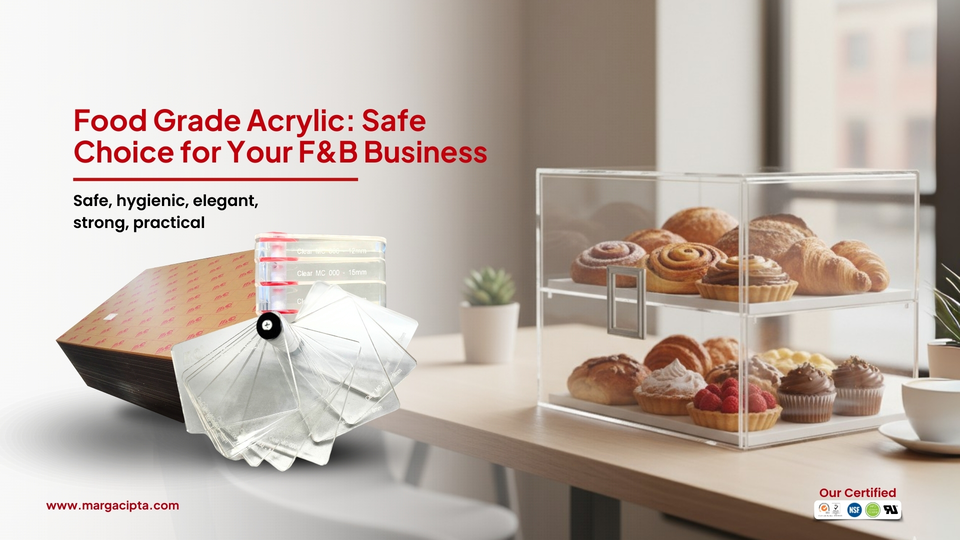
    Glass-like clarity, making food grade acrylic gives excellent visibility, perfect for displays, food containers, or protective covers.
  4. Lightweight and Easy to Handle
    Compared to glass, acrylic is much lighter, making it easier to transport, install, and maintain.

Read also: Do’s and Don’ts: Cleaning Acrylic Sheet the Right Way

Applications of Food Grade Acrylic

Food grade acrylic can be found in various food-related industries, including:

  • Food displays and covers in restaurants and bakeries
  • Storage containers for dry goods or liquids
  • Protective shields for hygienic food preparation areas
  • Tableware and serving trays for commercial or household use

Choosing food grade acrylic ensures safety, durability, and hygiene for any food-related application. 

Looking for high-quality food grade acrylic sheets? MC® Cast Acrylic Sheets are NSF-certified for clear and white opal variants, trusted for consistent quality and safe use in food contact applications.

Contact us on info@margacipta.com for more details.


News Release

FESPA Global Print Expo 2024

FESPA Global Print Expo returns to Amsterdam, The Netherlands next spring 2024 During 19-22 March, Europe’s leading print and signage exhibition attracts the worlds leaders in the industry to showcase their latest technology and developments. We look forward to welcoming you in Amsterdam, The Netherlands 19-22 March 2024! Visit our booth Hall 2 stand D26

Acrylic Sheet for Display Stand: Best Thickness and Type to Use

Acrylic sheet has become one of the most popular materials for display stands due to its clarity, durability, and versatility. Whether used in retail stores, exhibitions, or offices, choosing the right acrylic sheet for display stand is essential to ensure both aesthetics and functionality.

However, many people still struggle to determine the best thickness and type for their specific needs.

Why Acrylic Sheet is Ideal for Display Stands

Acrylic offers several advantages compared to glass or other materials:

  • High transparency similar to glass but lighter
  • Shatter-resistant and safer to use
  • Easy to fabricate (cutting, bending, engraving)
  • Professional and modern appearance

These qualities make acrylic sheets a top choice for product displays, signage, brochure holders, and more.

Read also: A Step-by-Step Guide on How to Cut Acrylic Sheet Safely

Best Thickness for Acrylic Display Stand

Choosing the right thickness depends on the size and purpose of the display.

Here are common recommendations:

  • 2-3 mm:
    Suitable for small, lightweight displays such as price tags or brochure holders.
  • 4-5 mm:
    Ideal for medium-sized display stands with moderate weight.
  • 6 mm and above:
    Recommended for larger or heavy-duty displays that require extra strength and stability.

Using acrylic that is too thin may cause bending or cracking, while overly thick sheets can increase costs unnecessarily.

Types of Acrylic Sheet

Understanding the different types of acrylic is equally important.

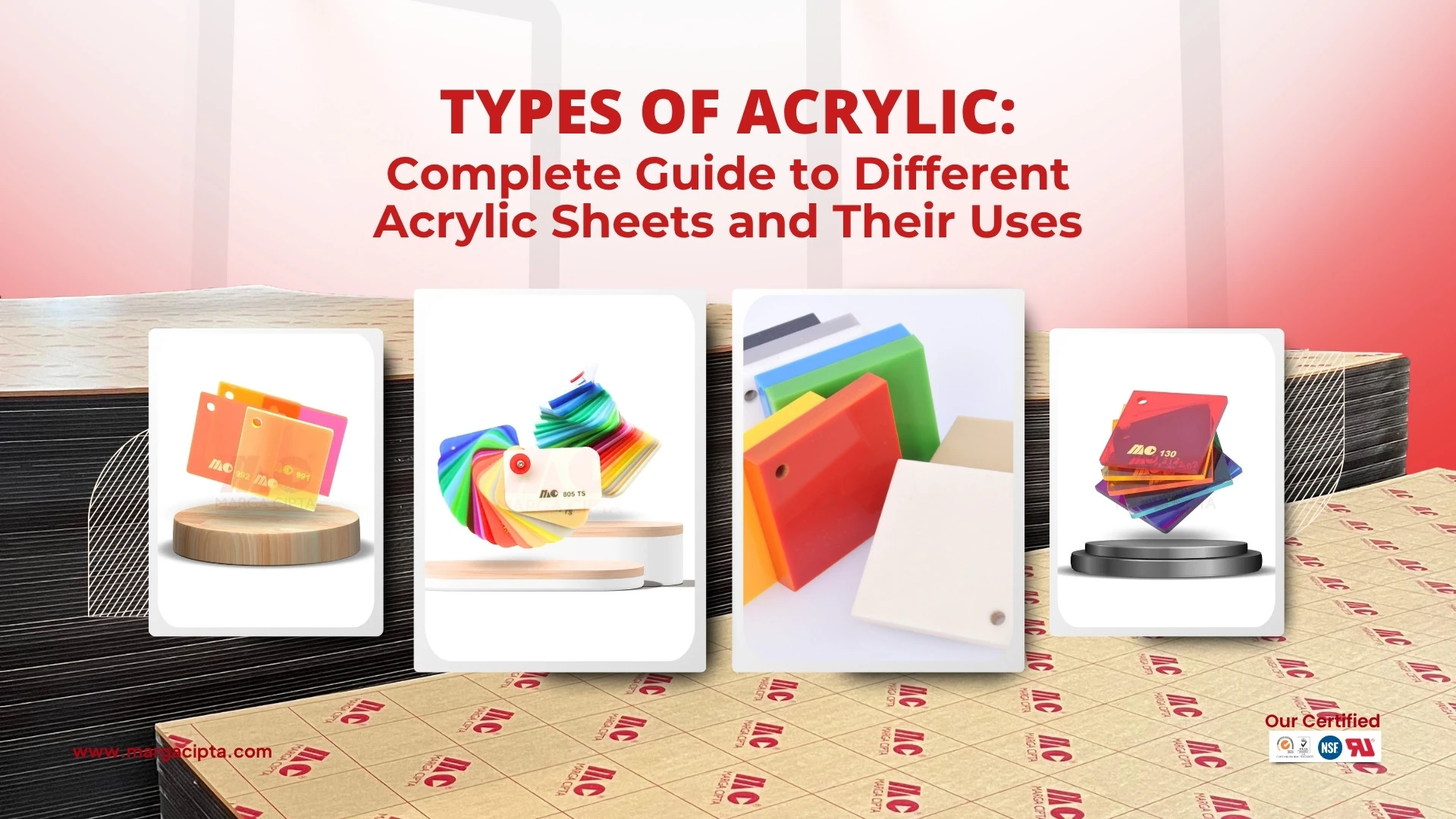
1. Cast Acrylic

  • Higher clarity and premium finish
  • Better for laser cutting and polishing
  • More durable and resistant to chemicals

Best for high-end display stands where appearance matters.

2. Extruded Acrylic

  • More affordable
  • Consistent thickness
  • Easier for mass production

Suitable for standard display applications with budget considerations.

Clear vs Colored Acrylic

  • Clear acrylic: Most common, ideal for showcasing products without distraction
  • Colored acrylic: Adds branding and visual appeal
  • Frosted acrylic: Provides a premium, soft look and reduces glare

The choice depends on branding and display goals.

Read also: How to Choose UV Resistant Acrylic Sheets for Outdoor Applications

Tips for Choosing the Right Acrylic Sheet

To ensure the best result:

  • Match thickness with the load and size of display
  • Choose cast acrylic for premium finishes
  • Consider environment (indoor vs outdoor use)
  • Ensure proper cutting and bending process

Common Mistakes to Avoid

  • Using acrylic that is too thin for heavy products
  • Ignoring surface finish quality
  • Choosing the wrong type for fabrication method

These mistakes can reduce durability and visual impact.

Conclusion

Selecting the right acrylic sheet for the display stand involves balancing thickness, type, and purpose. By understanding these factors, you can create displays that are both durable and visually appealing.

Looking for high-quality acrylic sheets?

Marga Cipta provides a wide range of acrylic sheets with various thicknesses and types, suitable for display stands, signage, and custom applications. Get the right material to elevate your display quality.

Do’s and Don’ts: Cleaning Acrylic Sheet the Right Way


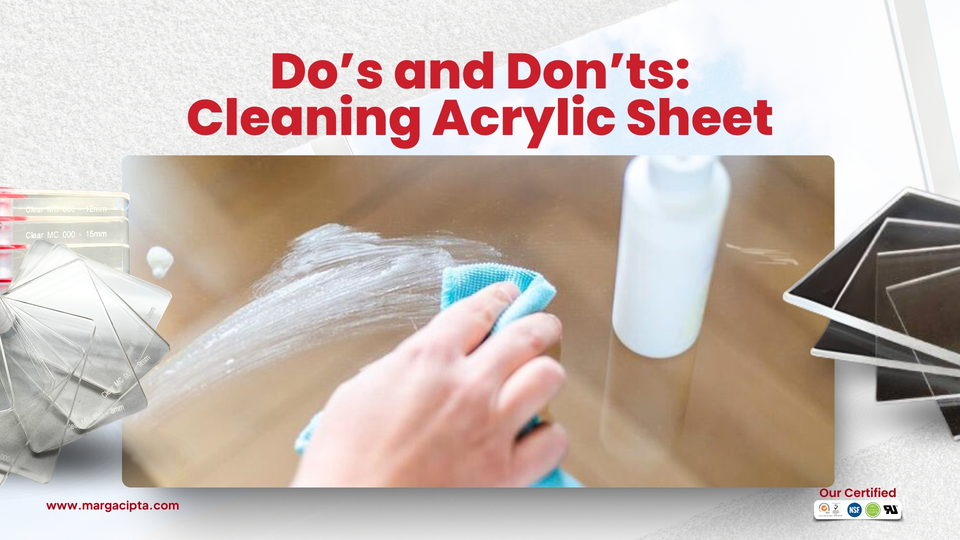
Unlike glass, acrylic needs special care during cleaning to avoid scratches, clouding, or even cracks. If cleaned improperly, acrylic can lose its aesthetic appeal and optical clarity over time.

To ensure your acrylic sheet stays clean and clear, it's important to follow the right cleaning practices, and avoid the wrong ones.

In this article, find out about do’s and don’ts of cleaning acrylic sheet surfaces, so you can maintain their quality and extend their lifespan.

1. Do Use a Soft, Non-Abrasive Cloth

When cleaning an acrylic surface, always use a soft microfiber or 100% cotton cloth. These materials are gentle and help remove dust and fingerprints without scratching the surface.

Before applying any cleaning solution, it’s a good idea to lightly rinse or blow off loose dust particles to prevent them from causing fine scratches when wiped.

2. Don’t Use Rough Materials or Paper Towels

Many people mistakenly use paper towels, sponges, or regular cleaning rags on acrylic sheets. These materials may seem soft but can actually be abrasive enough to create tiny scratches.

Over time, these scratches accumulate and cause the acrylic to appear dull or hazy. Avoid using any rough fabric or material that could compromise the surface.

Read also: Why Cast Acrylic Is Better Than Glass: Benefits You Should Know

3. Do Use Acrylic-Safe Cleaners

If you’re using a cleaning solution, make sure it’s specifically formulated for acrylic or plastic surfaces. You can also use mild soap mixed with water for everyday cleaning.

Spray the solution onto the cloth rather than directly onto the sheet, then gently wipe in a circular motion to remove dirt and grime. Rinse with clean water afterward and dry with a fresh, soft cloth.

4. Don’t Use Ammonia or Alcohol-Based Products

One of the biggest mistakes in cleaning acrylic is using harsh chemical cleaners like glass cleaner, alcohol, or products containing ammonia.

These substances can cause the surface to crack, discolor, or become cloudy over time. Even though acrylic may look like glass, it’s chemically different and much more sensitive to solvents. Avoid any cleaner not labeled as safe for plastics or acrylic.

5. Do It Carefully with Clean Hands

Before you begin cleaning, make sure your hands are clean to avoid transferring oils and dirt onto the surface. Move your hands gently and avoid applying excessive pressure.

If you’re cleaning a larger sheet or panel, support it evenly to prevent bending or stress that might cause cracks.

Read also: Acrylic Sheet Thickness Guide: How to Choose the Right One

6. Don’t Use Dry Wiping Methods

Never clean an acrylic sheet while it's dry. Dry wiping can drag dust and dirt particles across the surface, increasing the risk of scratching.

Always ensure the surface is wet or at least slightly damp before wiping, as this creates a buffer between the cloth and the acrylic.

7. Do Regular Maintenance

Routine maintenance helps prevent the buildup of dust, oil, and grime that can be harder to remove later. Cleaning your acrylic sheets regularly using the right methods will keep them looking crystal clear and reduce the need for harsh scrubbing or polishing.

Consistency in care goes a long way in preserving the appearance of your acrylic installations.

Cleaning acrylic sheet the right way is essential if you want to maintain its beauty, durability, and clarity.

While acrylic is a strong and versatile material, it still needs gentle handling and the proper techniques to stay in top condition.

Avoid common cleaning mistakes, choose the right materials, and your acrylic sheet will remain as stunning as the day it was installed.

Need high-quality cast acrylic sheet for your next project?

Visit our Instagram for more details about our cast acrylic sheets, or download our Product Catalog here.

Acrylic vs Polycarbonate: Which One Should You Use?

When choosing a plastic sheet for your project, two materials often come to mind: acrylic and polycarbonate. While both are widely used for signage, protective panels, and displays, the decision between them depends on what matters most: strength, clarity, or cost.

In this article, we compare acrylic and polycarbonate across key aspects and explain why acrylic may be the better solution for most everyday applications.

Strength: Durable, But Do You Need Extreme Impact Resistance?

Polycarbonate is often praised for its extreme impact resistance—up to 250 times stronger than glass. It’s frequently used in bulletproof windows, riot shields, and industrial machinery guards. If you're designing for high-risk environments with potential heavy impact, polycarbonate might make sense.

But here’s the reality: most applications don't need that level of impact resistance.

Acrylic, though not as tough as polycarbonate, is still up to 10 times stronger than glass. For general uses like signage, display cases, skylights, or protective barriers, acrylic offers more than enough durability without the extra cost.

Read also: Benefits of Using Clear Cast Acrylic Sheet

Clarity: Acrylic Offers Superior Visual Appeal

When it comes to optical clarity, acrylic takes the lead. Acrylic sheets provide up to 92% light transmission, giving them a crystal-clear, glass-like appearance. They’re less likely to yellow over time and are known for maintaining their clarity in outdoor and indoor environments.

Polycarbonate, on the other hand, may appear slightly duller and can develop a yellowish tint after prolonged exposure to UV light—unless treated with an extra coating.

If visual presentation matters, especially in retail, architectural, or decorative use, acrylic is the smarter choice.

Cost: Acrylic is More Budget-Friendly

From a pricing perspective, acrylic is generally more affordable than polycarbonate.

For businesses or projects that need large-scale installations—like signage, partitions, or decorative panels—acrylic provides an ideal balance of performance and price.

Polycarbonate’s high cost only makes sense when extreme toughness is necessary. For most users, choosing acrylic means getting a high-quality material without overspending.

Ease of Fabrication and Maintenance

Another advantage of acrylic is how easy it is to cut, drill, polish, and thermoform. You’ll get cleaner cuts and smoother edges, making it perfect for projects that require precision or aesthetic finishes.

Polycarbonate is tougher to work with and prone to scratches without special care. Acrylic is also easier to clean and maintain, requiring only mild soap and water.

Read also: Why Cast Acrylic Is Better Than Glass: Benefits You Should Know

When Should You Choose Acrylic?

Unless you’re building for high-impact or industrial-grade applications, acrylic is the practical, beautiful, and cost-effective option. It's the go-to choice for:

  • Retail displays and signage

  • Home and office decor

  • Windows and skylights

  • Sneeze guards and partitions

  • Lighting covers and illuminated signs

Both acrylic and polycarbonate have their place in the market. But if your project prioritizes clarity, affordability, and ease of use, then acrylic is clearly the winner.

It offers excellent strength, beautiful transparency, and lasting value—perfect for a wide range of uses without breaking the budget.

Margacipta Wirasentosa provide high-quality cast acrylic sheets that are reliable, customizable, and ready to elevate your next project.