The Best Cast Acrylic Sheet

Informational

Before discussing the best acrylic sheet products, let's get to know a little about acrylic sheet. Acrylic sheet is a sheet made of acrylic material, which is very similar to glass.

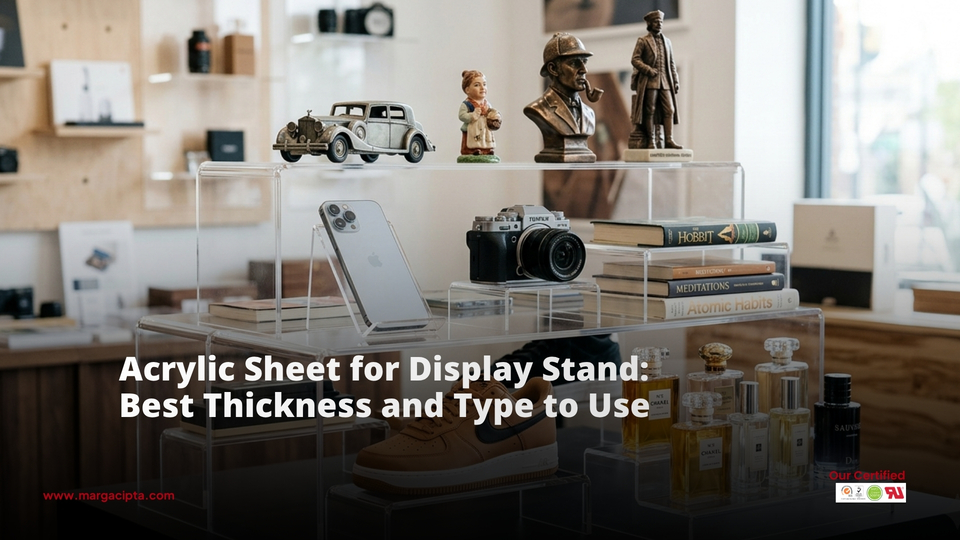
This material has greater strength than glass, but remains transparent like glass. Therefore, acrylic sheets are very popular for various purposes, such as making vitrine, display, and also for decoration purposes.

Then, what makes acrylic sheet from Marga Cipta the best among other products? Here are some of the advantages of Marga Cipta cast acrylic sheets:

1. Best Quality

Marga Cipta acrylic sheet or MC® cast acrylic sheet has the best quality in its class. The material used is pure acrylic, which provides greater strength as well as a clearer appearance.

Read also: Do’s and Don’ts: Cleaning Acrylic Sheet the Right Way

2. Available in Various Sizes

Marga Cipta acrylic sheet is available in various sizes, from small to large. This allows you to use this MC® cast acrylic sheet for a variety of purposes, from small ones such as making displays to large ones such as making showcases.

3. Easy to Shape

Marga Cipta acrylic sheet is very easy to shape according to your needs. This material can be cut, forged, and also bent without worrying about breaking or cracking.

4. Anti-UV

MC® cast acrylic sheet is also equipped with anti-UV technology. MC® acrylic products use UV Stabilizers and Weathering Tests have been carried out using International Standard Weathering Machines, so that MC® acrylic products are resistant to sunlight and also durable.

Read also: Things to Check Before Buying Acrylic

5. Easy to Find

Marga Cipta acrylic sheet products are very easy to find in acrylic, material and building materials stores. You can also buy this product online through our distributors or through trusted online stores.

Of the various advantages possessed by Marga Cipta acrylic sheet, it's no wonder that this product is the best among other products. In addition, the price offered by Marga Cipta is also very competitive with the quality provided and no big difference compare to recycle acrylic.

If you want to use acrylic sheets for your various needs, choose Marga Cipta acrylic sheet products as the best choice. With the best quality, easy to shape, and also durable, this product will be the right choice for your needs.

Need high-quality cast acrylic sheet for your next project? Send your order to info@margacipta.com.

Visit our Instagram for more details about our cast acrylic sheets, or download our Product Catalog here.


News Release

Why Does Acrylic Turn Yellow? Causes and Prevention

High-quality acrylic sheets are highly resistant to yellowing, but certain environmental conditions and material quality can affect their appearance over time. 

If acrylic becomes yellow, it is often due to prolonged UV exposure, harsh chemicals, excessive heat, or the use of low-quality materials.

Understanding why acrylic turns yellow can help businesses and fabricators choose the right material and maintain its clarity for years.

Does Acrylic Naturally Turn Yellow?

Unlike some plastics, acrylic is well known for its excellent optical clarity and UV resistance.

Premium cast acrylic sheets are manufactured to withstand outdoor exposure while maintaining their transparency and color stability. In many applications, high-quality acrylic can remain clear for years with proper care.

However, not all acrylic sheets offer the same level of performance.

Read also: Best Way to Glue Acrylic Sheet: Adhesives and Application Tips

Common Causes of Acrylic Yellowing

1. Prolonged UV Exposure

Although acrylic is naturally UV-resistant, continuous exposure to intense sunlight over many years may gradually affect lower-quality materials.

UV radiation can accelerate material aging, especially if the acrylic is not designed for outdoor applications.

Using UV-resistant acrylic sheets helps minimize this risk.

2. Poor Material Quality

Material quality is one of the biggest factors influencing long-term appearance.

Lower-quality acrylic may:

  • Yellow more quickly
  • Lose transparency
  • Become brittle over time
  • Develop surface imperfections

Premium cast acrylic generally provides better color stability and weather resistance.

3. Harsh Cleaning Chemicals

Cleaning acrylic with unsuitable chemicals may damage its surface.

Avoid using:

  • Ammonia-based cleaners
  • Strong solvents
  • Alcohol-based cleaners
  • Abrasive cleaning products

These chemicals can weaken the surface and contribute to discoloration over time.

Instead, use acrylic-safe cleaners and a soft microfiber cloth.

4. Excessive Heat

Exposure to high temperatures for extended periods can accelerate the aging process of acrylic.

While acrylic performs well in many environments, excessive heat combined with UV exposure may gradually reduce its visual quality.

5. Improper Storage

Storing acrylic sheets in unsuitable environments can also affect their appearance.

To maintain quality:

  • Store sheets indoors when possible
  • Keep them away from excessive sunlight before installation
  • Protect surfaces from dust and contaminants

Proper storage helps preserve the material before fabrication.

How to Prevent Acrylic from Turning Yellow

The best way to maintain acrylic clarity is through proper material selection and maintenance.

Recommended practices include:

  • Choose premium UV-resistant acrylic sheets.
  • Clean using acrylic-safe cleaning solutions.
  • Avoid harsh chemicals and abrasive tools.
  • Install the correct acrylic grade for outdoor applications.
  • Follow manufacturer recommendations for handling and maintenance.

These simple steps can significantly extend the lifespan of acrylic products.

Why High-Quality Acrylic Matters

Premium acrylic sheets offer several long-term advantages, including:

  • Excellent UV resistance
  • Superior optical clarity
  • Better weather durability
  • Improved color stability
  • Consistent performance over time

Choosing high-quality acrylic helps reduce maintenance and improves the longevity of finished products.

Marga Cipta manufactures premium cast acrylic sheets suitable for signage, displays, architectural features, retail applications, and other projects that require long-lasting clarity and performance.

Read also: How Long Does Acrylic Last Outdoors? Lifespan, UV Resistance, and Maintenance

Conclusion

So, why does acrylic turn yellow? In most cases, yellowing is caused by prolonged UV exposure, harsh chemicals, excessive heat, or poor material quality.

By selecting premium UV-resistant acrylic sheets and following proper maintenance practices, businesses can keep acrylic products clear, durable, and visually appealing for many years.

Choose High-Quality Acrylic for Long-Lasting Performance

Marga Cipta offers premium cast acrylic sheets designed for excellent clarity, weather resistance, and durability across a wide range of applications.

For inquiries or orders, email info@margacipta.com.

For product updates, inspiration, and application ideas, follow Instagram @margacipta.

Acrylic vs Polycarbonate: Which One Should You Use?

When choosing a plastic sheet for your project, two materials often come to mind: acrylic and polycarbonate. While both are widely used for signage, protective panels, and displays, the decision between them depends on what matters most: strength, clarity, or cost.

In this article, we compare acrylic and polycarbonate across key aspects and explain why acrylic may be the better solution for most everyday applications.

Strength: Durable, But Do You Need Extreme Impact Resistance?

Polycarbonate is often praised for its extreme impact resistance—up to 250 times stronger than glass. It’s frequently used in bulletproof windows, riot shields, and industrial machinery guards. If you're designing for high-risk environments with potential heavy impact, polycarbonate might make sense.

But here’s the reality: most applications don't need that level of impact resistance.

Acrylic, though not as tough as polycarbonate, is still up to 10 times stronger than glass. For general uses like signage, display cases, skylights, or protective barriers, acrylic offers more than enough durability without the extra cost.

Read also: Benefits of Using Clear Cast Acrylic Sheet

Clarity: Acrylic Offers Superior Visual Appeal

When it comes to optical clarity, acrylic takes the lead. Acrylic sheets provide up to 92% light transmission, giving them a crystal-clear, glass-like appearance. They’re less likely to yellow over time and are known for maintaining their clarity in outdoor and indoor environments.

Polycarbonate, on the other hand, may appear slightly duller and can develop a yellowish tint after prolonged exposure to UV light—unless treated with an extra coating.

If visual presentation matters, especially in retail, architectural, or decorative use, acrylic is the smarter choice.

Cost: Acrylic is More Budget-Friendly

From a pricing perspective, acrylic is generally more affordable than polycarbonate.

For businesses or projects that need large-scale installations—like signage, partitions, or decorative panels—acrylic provides an ideal balance of performance and price.

Polycarbonate’s high cost only makes sense when extreme toughness is necessary. For most users, choosing acrylic means getting a high-quality material without overspending.

Ease of Fabrication and Maintenance

Another advantage of acrylic is how easy it is to cut, drill, polish, and thermoform. You’ll get cleaner cuts and smoother edges, making it perfect for projects that require precision or aesthetic finishes.

Polycarbonate is tougher to work with and prone to scratches without special care. Acrylic is also easier to clean and maintain, requiring only mild soap and water.

Read also: Why Cast Acrylic Is Better Than Glass: Benefits You Should Know

When Should You Choose Acrylic?

Unless you’re building for high-impact or industrial-grade applications, acrylic is the practical, beautiful, and cost-effective option. It's the go-to choice for:

  • Retail displays and signage

  • Home and office decor

  • Windows and skylights

  • Sneeze guards and partitions

  • Lighting covers and illuminated signs

Both acrylic and polycarbonate have their place in the market. But if your project prioritizes clarity, affordability, and ease of use, then acrylic is clearly the winner.

It offers excellent strength, beautiful transparency, and lasting value—perfect for a wide range of uses without breaking the budget.

Margacipta Wirasentosa provide high-quality cast acrylic sheets that are reliable, customizable, and ready to elevate your next project.

Acrylic Usage Trends 2026: New Applications in Design and Industry

Acrylic continues to gain momentum as one of the most versatile materials across design, construction, and manufacturing industries. Known for being lightweight, strong, highly transparent, and easy to fabricate, acrylic is increasingly replacing traditional materials such as glass and metal.

As we move into 2026, acrylic is no longer limited to signage or displays. Its applications are expanding rapidly, opening new opportunities for businesses, designers, architects, and manufacturers. Below are the key acrylic usage trends predicted to shape design and industry in 2026.

Trend 1: Acrylic Interior Panels

One of the strongest acrylic usage trends in 2026 is the rise of acrylic interior panels for both commercial and residential buildings.

Why this trend is growing:

The rapid development of offices, retail spaces, hotels, and modern housing has increased demand for materials that are visually appealing, durable, and cost-efficient. Acrylic interior panels offer high clarity and a sleek, minimalistic look, making them ideal for partitions, wall panels, and decorative elements.

Compared to glass, acrylic is more affordable, lighter, and easier to install. Designers and architects also favor acrylic for its flexibility in color, thickness, and finish, allowing them to create modern interior concepts without compromising safety or aesthetics.

Read also: 100% Virgin MMA: The Key to High-Quality Acrylic Sheets

Trend 2: LED Signage and Display Systems

LED signage remains one of the most dominant acrylic applications heading into 2026.

Why this trend continues to rise:

Offline retail transformation is still strong, particularly in developing markets where physical stores continue to evolve. Many small and medium-sized businesses are renovating storefronts and upgrading visual branding, increasing demand for LED signage and display systems.

Acrylic is the preferred material for LED signage due to its excellent light transmission, smooth surface, and ability to diffuse light evenly. From illuminated logos and lightboxes to promotional displays, acrylic helps businesses create brighter, more attractive visual communication.

Trend 3: Acrylic Greenhouse Panels

Sustainability and food security are driving the growth of urban farming, hydroponics, and smart agriculture—making acrylic greenhouse panels a key trend in 2026.

Why this trend is emerging:

Acrylic offers superior UV resistance, high transparency, and better impact strength compared to glass. These properties make it ideal for greenhouse roofs and walls, where consistent light transmission and durability are essential.

As urban farming expands into rooftops, compact land areas, and controlled environments, acrylic greenhouse panels provide a long-lasting, lightweight solution that supports plant growth while reducing maintenance costs.

Read also: Food Grade Acrylic: Safe Choice for Your F&B Business

Trend 4: Furniture, Home Décor, and Small Products

Acrylic furniture and decorative items are gaining popularity, influenced heavily by social media-driven interior trends.

Why this trend is accelerating:

Clean, modern, and minimalist interiors are in high demand, and acrylic fits perfectly into this aesthetic. Furniture such as acrylic chairs, tables, shelves, and decorative panels offers a contemporary look without making spaces feel heavy.

In addition, e-commerce sellers increasingly use acrylic for DIY products and small household items. Consumers prefer materials that are lightweight, modern, durable, and visually appealing—qualities that acrylic delivers consistently.

Acrylic: A Material with Expanding Relevance

The versatility of acrylic makes it increasingly relevant across industries beyond traditional applications. From architecture and retail to agriculture and lifestyle products, acrylic continues to adapt to changing market needs.

To support these growing demands, choosing a high-quality material is essential. MC® Cast Acrylic Sheet is a proven solution, offering consistent clarity, strength, and fabrication performance for both design and industrial applications.

Conclusion

Acrylic usage trends in 2026 highlight a clear shift toward materials that combine aesthetics, durability, and flexibility. Interior panels, LED signage, greenhouse systems, and furniture are just a few examples of how acrylic is shaping the future of design and industry.

By leveraging reliable materials like MC® Cast Acrylic Sheet, businesses can stay ahead of trends and unlock new opportunities in an evolving market.

Acrylic vs Glass for Plaque: Which Material is Better?

Acrylic is generally better than glass for plaque applications.

It offers higher impact resistance, lighter weight, and easier fabrication while still maintaining a clear, premium appearance.

For most commercial and design purposes, acrylic provides a more practical and efficient solution.

Quick Comparison: Acrylic vs Glass

Feature

Acrylic

Glass

Impact Resistance

High (does not shatter easily)

Low (breakable)

Weight

Lightweight

Heavy

Clarity

Excellent

Excellent

Fabrication

Easy

Limited

Cost

More efficient

Higher overall cost

Durability and Safety

Acrylic is significantly more impact-resistant than glass. It does not shatter easily, making it safer for use in offices, public spaces, and high-traffic environments.

Glass, while visually appealing, is fragile and prone to breaking. This can lead to safety risks and higher replacement costs.

Read also: How to Choose UV Resistant Acrylic Sheets for Outdoor Applications

Visual Appearance

Both materials offer a clean and transparent look, but acrylic has a more consistent and modern finish.

Acrylic sheets also provide better results for:

  • UV printing
  • Laser engraving
  • Custom designs

Glass may have a slight tint depending on its composition, while acrylic maintains clearer visual consistency.

Weight and Installation

Acrylic is much lighter than glass, making it easier to handle, transport, and install.

This is especially important for:

  • Large plaques
  • Wall-mounted signage
  • Bulk production

Glass requires more careful handling and stronger support systems due to its weight.

Fabrication and Flexibility

Acrylic is highly versatile and compatible with modern production techniques.

It can be:

  • Cut precisely
  • Engraved easily
  • Printed directly

Glass, on the other hand, requires specialized tools and has limited flexibility for customization.

Cost Efficiency

Acrylic is generally more cost-effective than glass when considering:

  • Material cost
  • Fabrication process
  • Transportation and installation

Its durability also reduces the risk of damage, making it a more reliable long-term investment.

Read also: What Acrylic to Use for Cake Topper: A Complete Material Guide

Why Acrylic is the Preferred Material

For most plaque applications, acrylic offers the best balance between:

  • Durability
  • Aesthetics
  • Practicality

This is why many businesses and manufacturers choose acrylic sheets as their primary material.

Marga Cipta provides high-quality acrylic sheets that are suitable for various fabrication methods, helping ensure consistent and professional results.

Conclusion

In the comparison of acrylic vs glass for plaque, acrylic stands out as the better overall material.

It combines strength, clarity, and flexibility, making it ideal for modern plaque production. For businesses looking for efficiency and reliability, acrylic is the smarter choice.