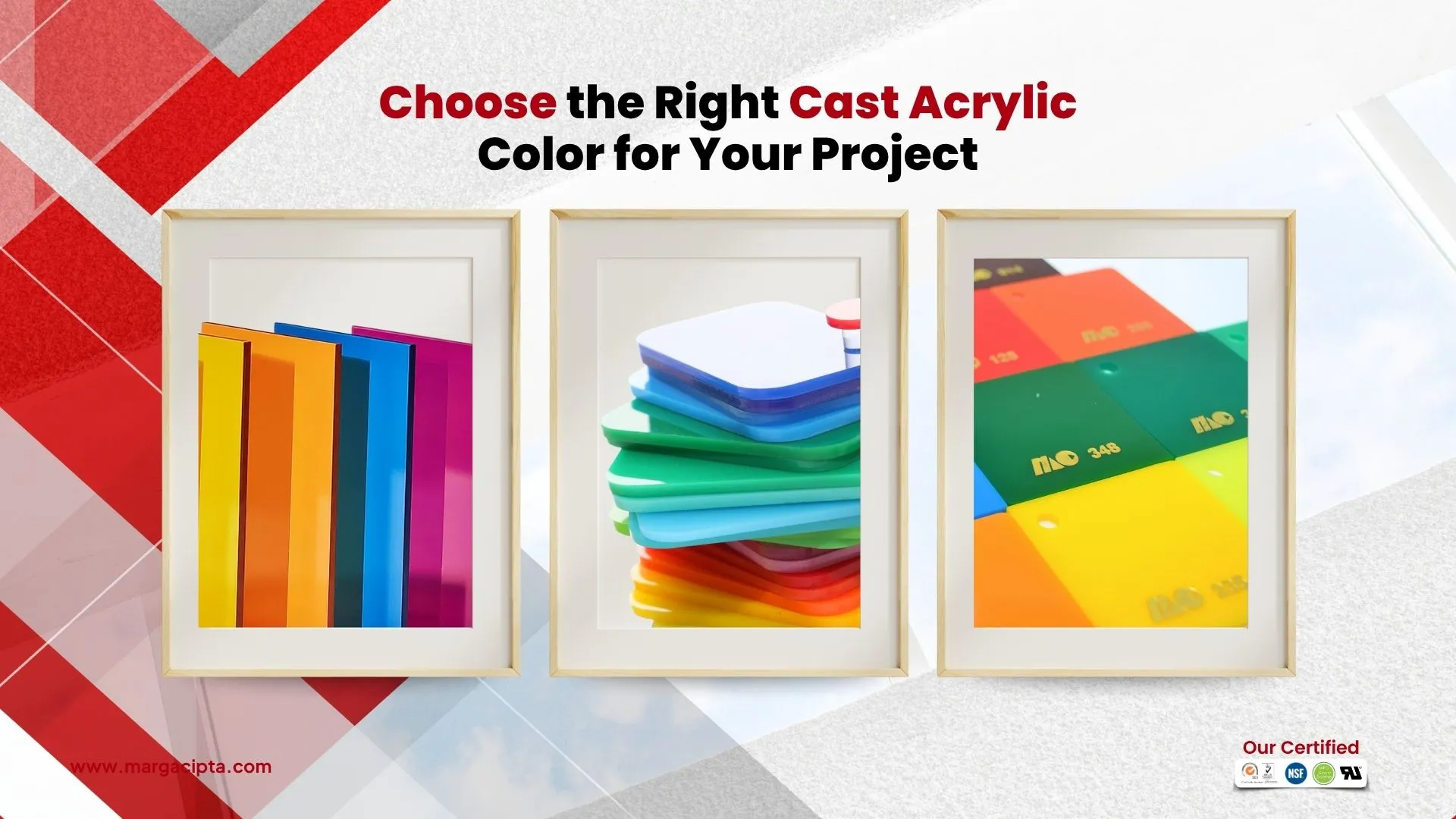
Choose the Right Cast Acrylic Color for Your Project

Informational

When working with acrylic sheets, color isn't just about aesthetics, it plays a functional role in enhancing visibility, brand identity, and even light diffusion. 

Among all types of acrylic, cast acrylic sheets stand out for their vibrant color range, clarity, and versatility in various applications.

In this article, let’s explore the different color options available for cast acrylic and how each one is commonly used in industries such as signage, interior design, and product display.

Why Choose Colored Cast Acrylic Sheets?

Cast acrylic is known for its durability, excellent workability, and brilliant color options. 

Unlike extruded acrylic, cast acrylic offers deeper pigmentation, allowing for better light diffusion, UV resistance, and long-term color stability.

Whether you're designing a lightbox, a retail display, or custom decor, the color of your acrylic sheet can influence both function and appearance.

Various Cast Acrylic Colors and Their Common Uses

1. Red Cast Acrylic

Red acrylic sheets are bold, eye-catching, and often used for:

  • LED signage and illuminated logos
  • Emergency signs and alert messages
  • Retail branding to match corporate identity

Thanks to their light-transmitting properties, red acrylic works beautifully when backlit.

2. Orange Cast Acrylic

Orange adds warmth and vibrancy. It’s ideal for:

  • Creative store displays
  • Children’s products or spaces due to its playful tone
  • Event decorations for a fun, energetic feel

Read also: What Is Cast Acrylic Used For? A Closer Look

3. Yellow Cast Acrylic

Bright and energetic, yellow acrylic is perfect for:

  • Directional signage and caution markers
  • Art installations requiring a sunny pop of color
  • Menu boards or display backdrops

4. Green Cast Acrylic

Green symbolizes freshness and balance. It’s commonly used in:

  • Eco-themed displays
  • Interior accents such as partitions or wall decor
  • Hospitality and health branding

5. Blue Cast Acrylic

Calm and professional, blue acrylic suits:

  • Corporate signage
  • Architectural features
  • Exhibition booths and brand walls

Its cool tones offer a sense of trust and reliability.

6. Purple Cast Acrylic

Often associated with creativity and luxury, purple is used in:

  • Boutique signage
  • Cosmetics displays
  • Artistic or promotional installations

It’s a strong choice for niche branding and elegant design.

Read also: Benefits of Using Clear Cast Acrylic Sheet

7. Pink Cast Acrylic

Fun, friendly, and soft, pink acrylic is great for:

  • Beauty product displays
  • Kids' room decor
  • Event props for birthdays, weddings, or launches

Pink offers emotional warmth and visual softness.

8. Clear/Transparent Cast Acrylic

The most versatile option, clear acrylic is ideal for:

  • Protective barriers and sneeze guards
  • Display cases and shelves
  • DIY projects and signage overlays

Its high light transmission and glass-like appearance make it perfect for showcasing products.

9. White Opaque Cast Acrylic

White sheets are commonly used for:

  • Lightboxes and illuminated signs
  • Acrylic boxes for packaging or storage
  • Architectural models and minimalist design features

Opaque white diffuses light beautifully and offers a clean, modern finish.

Choosing the Right Color for Your Application

When selecting a color for your acrylic sheet, consider:

  • Lighting conditions (especially for backlit applications)
  • Brand or thematic color consistency
  • Functionality. For example, warning signs should use red or yellow
  • Visual impact depending on the setting (retail, industrial, personal)

Colored cast acrylic sheets offer endless possibilities for creative and functional applications. Whether you're a designer, fabricator, or business owner, choosing the right acrylic color can enhance the overall effect of your project.

At Margacipta Wirasentosa, we provide high-quality cast acrylic sheets in a wide range of colors, from bold reds to crisp whites, ensuring you have the perfect match for your needs.

Contact our team today or explore our Instagram to explore our color range and find the perfect sheet for your next project.
News Release

How to Identify High-Quality Cast Acrylic Sheets | Buyer’s Guide

Cast acrylic sheets are widely used across industries, from interior design and signage to industrial equipment and medical applications. However, not all acrylic sheets offer the same level of quality.

Choosing high-quality cast acrylic sheets is essential to ensure durability, clarity, and long-term performance. This guide will help you identify premium cast acrylic sheets and avoid costly mistakes in your projects.

1. Check Optical Clarity and Surface Finish

One of the most noticeable characteristics of high-quality cast acrylic sheets is their exceptional clarity.

Premium cast acrylic offers glass-like transparency with minimal distortion. When viewed from different angles, the surface should appear smooth, glossy, and free from waves, bubbles, or cloudiness.

Lower-quality acrylic often looks slightly hazy or uneven, especially under strong lighting. For applications such as display panels, signage, or interior partitions, optical clarity is a key indicator of quality.

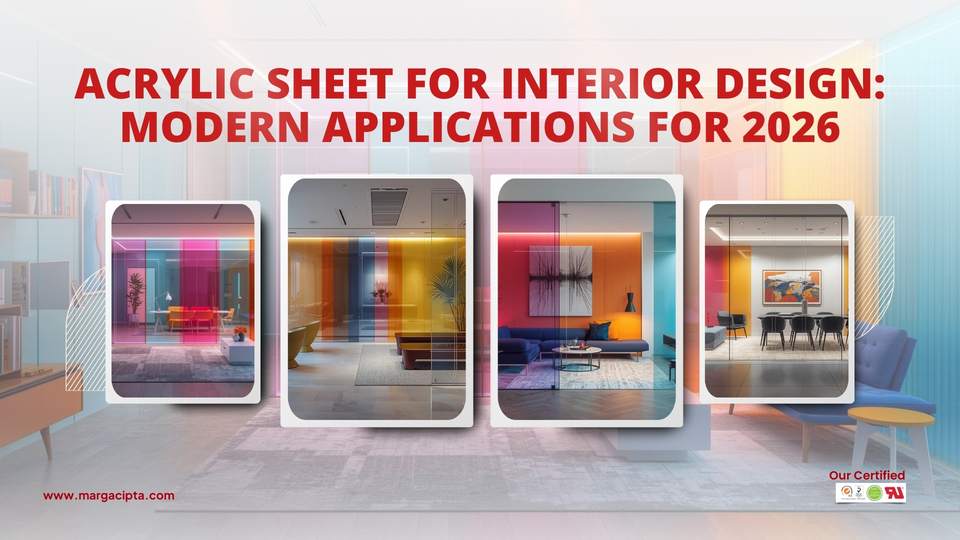
Read also: Acrylic Sheet for Interior Design: Modern Applications for 2026 | Marga Cipta

2. Consistent Thickness Across the Sheet

Thickness consistency is a critical factor in determining acrylic quality. High-quality cast acrylic sheets are manufactured using controlled casting processes that ensure even thickness from edge to edge.

Inconsistent thickness can cause problems during fabrication, such as uneven bending, poor fitting, or structural weakness.

To check this, measure the sheet at several points. Premium cast acrylic will show minimal variation, making it ideal for precise cutting, machining, and thermoforming.

3. Strength and Impact Resistance

Cast acrylic is known for being stronger and more rigid than extruded acrylic. High-quality cast acrylic sheets offer excellent impact resistance, reducing the risk of cracking or breaking during installation and use.

You can often feel the difference: premium acrylic sheets are more solid and stable, especially in thicker options.

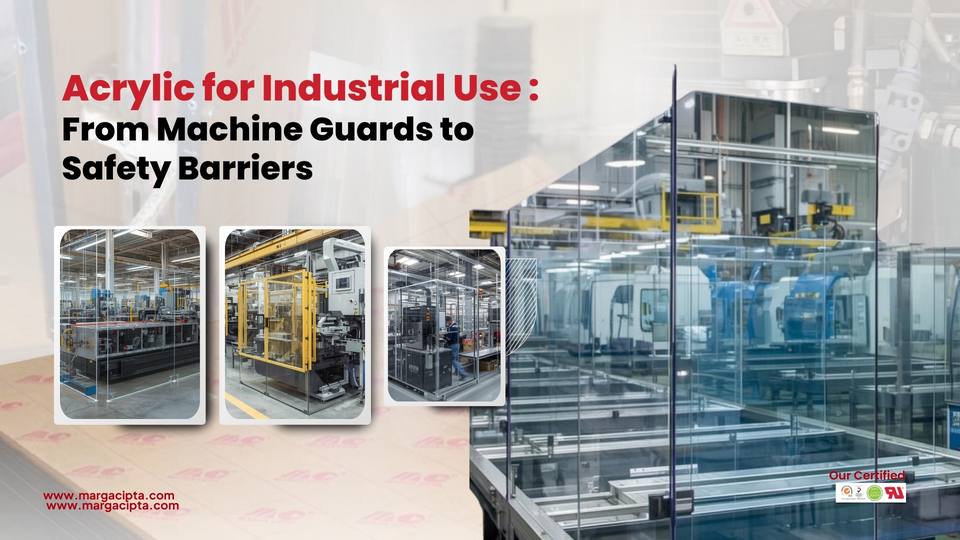
This makes them suitable for demanding applications such as machine guards, safety barriers, furniture components, and architectural elements.

4. Resistance to UV and Weather Conditions

Another important sign of high-quality cast acrylic sheets is UV resistance. Premium acrylic is designed to withstand prolonged exposure to sunlight without yellowing or becoming brittle over time.

This property is crucial for outdoor signage, skylights, and exterior design elements. Acrylic sheets with poor UV resistance may discolor, lose clarity, and require early replacement, increasing long-term costs.

Read also: The Best Cast Acrylic Sheet

5. Ease of Fabrication and Finishing

High-quality cast acrylic sheets are easier to work with during cutting, engraving, drilling, and polishing. Clean edges, smooth laser cuts, and polished finishes are indicators of superior material quality.

Inferior acrylic may chip, melt unevenly, or produce rough edges, which can slow down production and affect the final appearance of the product.

6. Verified Manufacturing Standards

Reliable manufacturers of high-quality cast acrylic sheets follow strict production standards and quality control processes. Look for suppliers that provide clear product specifications, consistent batch quality, and technical support.

Using cast acrylic made from pure raw materials ensures better performance compared to recycled or mixed-content acrylic, which often shows unstable quality.

Conclusion

Identifying high-quality cast acrylic sheets requires attention to clarity, thickness consistency, durability, UV resistance, and fabrication performance.

By choosing premium cast acrylic, businesses and fabricators can achieve better results, reduce waste, and ensure long-term value for their projects.

Investing in high-quality cast acrylic sheets is not just about appearance—it is about reliability, performance, and confidence in every application.

Need high-quality cast acrylic sheet for your next project? Send your order to info@margacipta.com.

Visit our Instagram for more details about our cast acrylic sheets, or download our Product Catalog here.

Does Acrylic Shatter? Find Out Its Strength and Durability

When comparing materials like glass and plastic, many people often ask: does acrylic shatter? The short answer is no, acrylic does not shatter like traditional glass. Instead, acrylic is designed to be far stronger, safer, and more durable. 

This makes it one of the most widely used materials across industries such as architecture, signage, interior design, and safety barriers.

Does Acrylic Shatter Like Glass?

Unlike glass, which can break into dangerous sharp shards, acrylic is impact resistant. 

If exposed to heavy force, acrylic is more likely to crack or break into large, blunt-edged pieces rather than splintering into tiny shards. This makes acrylic significantly safer for residential or commercial applications.

In fact, acrylic is up to 17 times stronger than glass, yet weighs only half as much. This balance of strength and lightness explains why industries worldwide are shifting toward acrylic as a glass alternative.

Read also: Do’s and Don’ts: Cleaning Acrylic Sheet the Right Way

Why Acrylic Is Safer Than Glass

The concern about shattering usually comes from using glass in high-risk environments. Glass windows, panels, and displays can be dangerous when broken. Acrylic solves this problem by offering:

  1. High Impact Resistance: Acrylic can withstand accidental knocks, falls, or collisions without shattering dangerously.
  2. Blunt Break Pattern: When acrylic does break, it forms larger, less hazardous fragments.
  3. Safe for Child and Public Environment: Because of its break-resistant nature, acrylic is commonly used in schools, hospitals, public displays, and even aquariums.

Factors That Affect Acrylic’s Durability

Although acrylic is strong, certain factors can influence whether it cracks or breaks under pressure:

  • Thickness of the Sheet: Thicker acrylic sheets are more resistant to cracking and can endure higher loads.
  • Quality of the Material: Sheets made from 100% virgin MMA (Methyl Methacrylate) are purer and more durable than those made with recycled material.
  • Environmental Conditions: Outdoor exposure to UV light, heat, and moisture can impact longevity if low-quality acrylic is used.
  • Installation and Handling: Proper cutting, drilling, and mounting prevent stress points that could cause cracking.

Real-World Applications of Acrylic

Thanks to its non-shattering nature, acrylic is a trusted material in industries that prioritize both safety and aesthetics:

  • Signage and Advertising Displays – Durable and weather-resistant, perfect for outdoor use.
  • Protective Barriers – Used in offices, retail counters, and public spaces to ensure safety without sacrificing visibility.
  • Construction and Architecture – Commonly found in windows, skylights, and partitions for their lightweight yet strong properties.
  • Furniture and Interior Design – Adds a modern, glass-like aesthetic without the fragility.
  • Medical and Food Industry – Acrylic with certifications like NSF ensures hygienic and safe usage.

Read also: Acrylic Sheet Thickness Guide: How to Choose the Right One

Does Acrylic Shatter Under Extreme Conditions?

While acrylic does not shatter like glass, it is not indestructible. Under extreme force or improper installation, acrylic may crack or snap. However, the breakage is still significantly safer than glass since it does not form sharp, splintered fragments.

In most cases, acrylic offers the perfect balance of strength, clarity, and cost-effectiveness.

So, does acrylic shatter? No, acrylic is designed to be a safer, stronger alternative to glass. With up to 17 times the strength of glass and excellent durability, acrylic is widely trusted in signage, construction, safety barriers, and interior design. 

While it may crack under extreme conditions, its breakage is far less hazardous compared to glass, making it a reliable choice for both commercial and residential applications.

PT Margacipta Wirasentosa offers high-quality cast acrylic made from 100% virgin MMA, with NSF-certified options for food contact applications.

How to Bend Acrylic Sheet: Methods, Tools, and Best Practices

Acrylic sheets can be bent by applying controlled heat until the material becomes flexible enough to shape.

This process is widely used in signage, displays, retail fixtures, and custom fabrication projects.

When performed correctly, bending acrylic allows manufacturers and fabricators to create clean, durable, and professional-looking products without compromising the material's appearance.

Why Acrylic Can Be Bent

Acrylic is a thermoplastic material, meaning it softens when heated and hardens again as it cools.

This property makes acrylic ideal for creating:

  • Display stands
  • Sign holders
  • Product showcases
  • Protective covers
  • Custom fabricated components

Proper heating techniques are essential to achieve smooth bends without damaging the material.

Read also: Acrylic vs Glass for Plaque: Which Material is Better?

Common Methods for Bending Acrylic

Several methods are used depending on the project requirements and equipment available.

1. Strip Heater Bending

A strip heater is one of the most common tools used for acrylic fabrication.

The heater applies concentrated heat along a specific line, allowing the sheet to bend precisely where needed.

Benefits include:

  • Clean bending lines
  • Good accuracy
  • Suitable for production environments

2. Heat Gun Bending

A heat gun can also be used for smaller projects or custom work.

Advantages include:

  • Portable equipment
  • Lower cost
  • Flexible application

However, heat distribution may be less consistent compared to a strip heater.

3. Oven Heating

For complex shapes or larger bends, acrylic sheets can be heated in a temperature-controlled oven.

This method allows:

  • Uniform heating
  • Greater forming flexibility
  • More advanced shaping possibilities

It is commonly used in industrial and large-scale fabrication.

Tools Needed for Acrylic Bending

Depending on the method, common tools include:

  • Strip heater
  • Heat gun
  • Industrial oven
  • Clamps
  • Straight edge guides
  • Protective gloves

Using proper equipment improves accuracy and reduces the risk of damage.

Best Practices for Bending Acrylic

Apply Heat Evenly

Uneven heating can lead to stress marks, bubbles, or cracks.

Avoid Overheating

Excessive heat may cause discoloration or surface distortion.

Use Proper Support

Supporting the acrylic during bending helps maintain accurate angles and prevents unwanted deformation.

Allow Sufficient Cooling Time

Acrylic should be allowed to cool completely before handling to maintain its new shape.

Common Mistakes to Avoid

Many fabrication issues result from avoidable mistakes.

These include:

  • Heating too quickly
  • Applying uneven heat
  • Bending cold acrylic
  • Using low-quality materials
  • Removing support too early

Following proper fabrication techniques helps ensure professional results.

Read also: Why Cast Acrylic Is Better Than Glass: Benefits You Should Know

Why Material Quality Matters

High-quality acrylic sheets typically provide:

  • More consistent heating performance
  • Cleaner bending results
  • Reduced risk of cracking
  • Better overall appearance

Material consistency is especially important for projects requiring precise fabrication.

Marga Cipta supplies premium acrylic sheets suitable for cutting, engraving, thermoforming, and bending applications.

Conclusion

Understanding how to bend acrylic sheet properly is essential for achieving clean and professional fabrication results.

By using the right heating methods, tools, and best practices, fabricators can create durable and visually appealing acrylic products for a wide range of applications.

Looking for High-Quality Acrylic Sheets?

Marga Cipta provides premium acrylic sheets designed for fabrication, display, signage, and custom projects.

For inquiries or orders, email info@margacipta.com.

For product information, project inspiration, and the latest updates, follow Instagram @margacipta.

Types of Acrylic: Complete Guide to Different Acrylic Sheets and Their Uses

The main types of acrylic include cast acrylic, extruded acrylic, clear acrylic, colored acrylic, frosted acrylic, and mirrored acrylic.

Each type offers different characteristics, making them suitable for specific fabrication, signage, and decorative applications.

Understanding the different types of acrylic is important when selecting the right material for your project.

What is Acrylic?

Acrylic is a transparent thermoplastic material widely used as an alternative to glass. It is known for its excellent clarity, lightweight structure, and fabrication flexibility.

Compared to glass, acrylic is:

  • More impact resistant
  • Easier to fabricate
  • Lighter in weight
  • Available in various finishes and colors

These qualities make acrylic sheets popular across industries such as retail, construction, interior design, and manufacturing.

Read also: Best Acrylic Thickness for Ornaments: Size Guide for Perfect Results

1. Cast Acrylic

Cast acrylic is produced by pouring liquid acrylic into molds before curing.

This type is known for:

  • Excellent optical clarity
  • Better chemical resistance
  • Superior engraving quality
  • Stronger surface hardness

Cast acrylic is commonly used for:

  • Signage
  • Premium displays
  • Laser engraving
  • Decorative applications

Because of its high-quality finish, cast acrylic is often preferred for projects that require precision and aesthetics.

2. Extruded Acrylic

Extruded acrylic is manufactured through a continuous production process.

Compared to cast acrylic, it offers:

  • More affordable pricing
  • Consistent thickness
  • Easier thermoforming

It is commonly used for:

  • General fabrication
  • Protective panels
  • Cost-efficient production projects

While extruded acrylic is softer than cast acrylic, it remains a practical choice for many standard applications.

3. Clear Acrylic

Clear acrylic sheets are the most commonly used type.

They provide:

  • High transparency
  • Glass-like appearance
  • Smooth surface finish

Applications include:

  • Retail displays
  • Aquariums
  • Protective barriers
  • Signage

Clear acrylic is ideal when visibility and a clean aesthetic are priorities.

4. Colored Acrylic

Colored acrylic sheets are available in a wide range of solid and transparent colors.

Benefits include:

  • Consistent color throughout the sheet
  • Strong visual appeal
  • Better branding flexibility

Colored acrylic is often used for:

  • Decorative ornaments
  • Branding elements
  • Interior accents
  • Creative fabrication projects

5. Frosted Acrylic

Frosted acrylic features a matte surface that diffuses light. It is commonly selected for:

  • Privacy panels
  • Minimalist interior design
  • Elegant signage

Its soft appearance helps reduce glare and fingerprints.

6. Mirrored Acrylic

Mirrored acrylic provides a reflective surface similar to traditional mirrors but with lighter weight and better impact resistance.

Common applications include:

  • Decorative panels
  • Retail displays
  • Event decorations

It is available in various finishes such as silver, gold, and colored mirror effects.

How to Choose the Right Acrylic Type

Choosing the right acrylic depends on:

  • Application purpose
  • Fabrication method
  • Desired appearance
  • Budget considerations

For example:

  • Cast acrylic → better for engraving and premium designs
  • Extruded acrylic → suitable for cost-efficient fabrication
  • Frosted acrylic → ideal for elegant and modern finishes

Read also: Acrylic vs Glass for Plaque: Which Material is Better?

Why Material Quality Matters

High-quality acrylic sheets provide:

  • Better clarity
  • Consistent thickness
  • Improved fabrication performance

Using reliable materials helps reduce production issues and ensures professional results.

Marga Cipta supplies premium acrylic sheets in various types and finishes to support different fabrication and design needs.

Conclusion

Understanding the different types of acrylic helps you select the right material for your project.

From clear and colored acrylic to cast and mirrored finishes, each type offers unique advantages for specific applications. By choosing high-quality acrylic sheets, businesses and manufacturers can achieve more durable and visually appealing results.

Ready to explore our cast acrylic options? At Margacipta Wirasentosa, we offer high-quality clear cast acrylic sheets from 100% virgin MMA in various thicknesses and custom sizes to fit your needs.

Reach out to our Instagram or download our Product Catalog for more information.