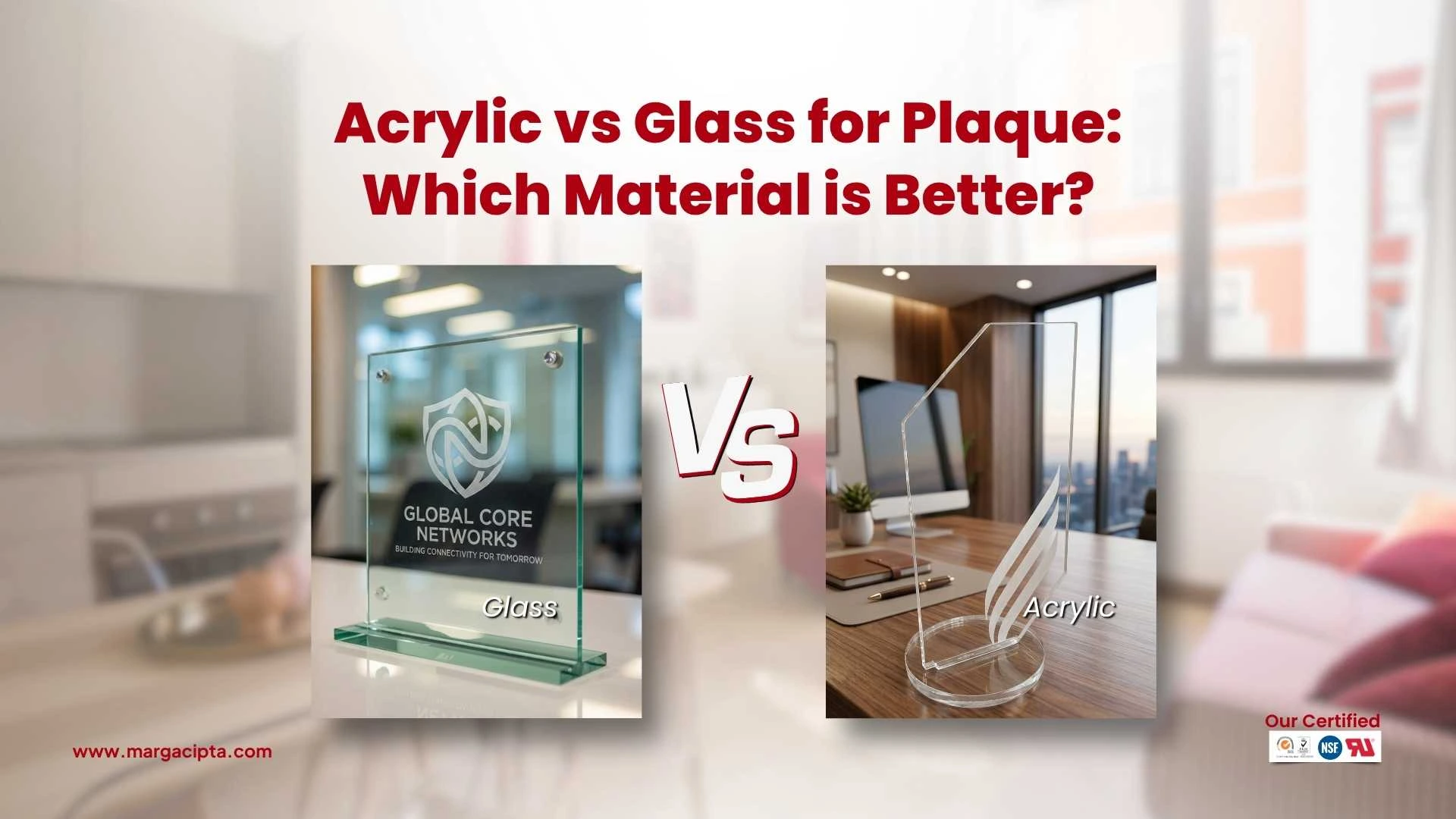
Why Does Acrylic Become Brittle? Common Mistakes You Should Avoid

Informational

Acrylic becomes brittle due to factors such as improper cleaning, excessive heat exposure, UV damage, and poor material handling.

Over time, these conditions can weaken the structure of acrylic sheets, making them more prone to cracking or breaking.

Understanding what causes acrylic to become brittle is important for maintaining its durability and appearance.

What Causes Acrylic to Become Brittle?

Although acrylic is known for its strength and durability, it can lose flexibility if exposed to damaging conditions for extended periods.

Several common factors contribute to brittleness.

Read also: Best Acrylic Thickness for Plaque: Complete Guide for Durable Results

1. Exposure to Harsh Chemicals

One of the biggest causes of brittle acrylic is the use of aggressive cleaning chemicals.

Chemicals such as:

  • Ammonia-based cleaners
  • Alcohol-based liquids
  • Strong solvents

can damage the acrylic surface and weaken its internal structure.

Over time, this may lead to:

  • Surface cracking
  • Cloudiness
  • Reduced flexibility

Using acrylic-safe cleaners is essential for long-term durability.

2. Excessive Heat

High temperatures can affect the stability of acrylic sheets.

Continuous exposure to excessive heat may cause:

  • Warping
  • Surface stress
  • Increased brittleness

Acrylic should be kept away from direct heat sources or environments with extreme temperature fluctuations.

3. UV Exposure Over Time

While many acrylic sheets have good UV resistance, prolonged outdoor exposure can still contribute to material aging.

Without proper UV protection, acrylic may gradually:

  • Become dry and rigid
  • Lose clarity
  • Develop microcracks

Using high-quality UV-resistant acrylic helps minimize this issue.

4. Improper Fabrication

Incorrect fabrication methods can introduce stress into the material.

Examples include:

  • Excessive drilling pressure
  • Poor cutting techniques
  • Uneven bending processes

These internal stresses may not appear immediately but can eventually cause cracks or brittleness.

Using proper fabrication equipment and high-quality acrylic sheets helps reduce the risk.

5. Poor Material Quality

Low-quality acrylic sheets are generally more susceptible to damage and brittleness.

Inferior materials may have:

  • Inconsistent composition
  • Lower impact resistance
  • Poor durability over time

This is why choosing reliable acrylic suppliers is important for long-term performance.

How to Prevent Acrylic from Becoming Brittle

To maintain acrylic durability:

  • Use mild acrylic-safe cleaners
  • Avoid excessive heat exposure
  • Store materials properly
  • Use correct fabrication techniques
  • Choose high-quality acrylic sheets

Proper maintenance significantly extends the lifespan of acrylic applications.

Why Acrylic Quality Matters

Premium acrylic sheets provide:

  • Better structural stability
  • Improved UV resistance
  • More consistent fabrication performance

For businesses and manufacturers, high-quality materials help reduce production defects and improve long-term reliability.

Marga Cipta supplies high-quality acrylic sheets suitable for signage, fabrication, displays, and decorative applications.

Read also: Best Acrylic Thickness for Ornaments: Size Guide for Perfect Results

Conclusion

Understanding what makes acrylic brittle helps prevent unnecessary damage and extends the lifespan of acrylic materials.

Factors such as harsh chemicals, heat exposure, UV damage, and improper fabrication can weaken acrylic over time. By using proper handling methods and high-quality acrylic sheets, you can maintain durability and achieve better long-term performance.

Ready to explore our cast acrylic options? At Margacipta Wirasentosa, we offer high-quality clear cast acrylic sheets from 100% virgin MMA in various thicknesses and custom sizes to fit your needs.

Reach out to our Instagram or download our Product Catalog for more information.

News Release

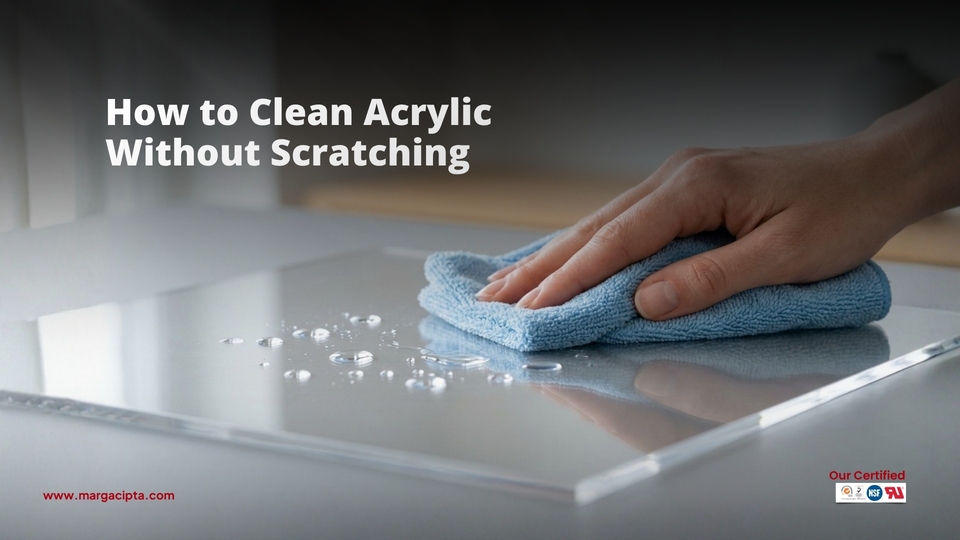
Does Acrylic Shatter? Find Out Its Strength and Durability

When comparing materials like glass and plastic, many people often ask: does acrylic shatter? The short answer is no, acrylic does not shatter like traditional glass. Instead, acrylic is designed to be far stronger, safer, and more durable. 

This makes it one of the most widely used materials across industries such as architecture, signage, interior design, and safety barriers.

Does Acrylic Shatter Like Glass?

Unlike glass, which can break into dangerous sharp shards, acrylic is impact resistant

If exposed to heavy force, acrylic is more likely to crack or break into large, blunt-edged pieces rather than splintering into tiny shards. This makes acrylic significantly safer for residential or commercial applications.

In fact, acrylic is up to 17 times stronger than glass, yet weighs only half as much. This balance of strength and lightness explains why industries worldwide are shifting toward acrylic as a glass alternative.

Read also: Do’s and Don’ts: Cleaning Acrylic Sheet the Right Way

Why Acrylic Is Safer Than Glass

The concern about shattering usually comes from using glass in high-risk environments. Glass windows, panels, and displays can be dangerous when broken. Acrylic solves this problem by offering:

  1. High Impact Resistance: Acrylic can withstand accidental knocks, falls, or collisions without shattering dangerously.
  2. Blunt Break Pattern: When acrylic does break, it forms larger, less hazardous fragments.
  3. Safe for Child and Public Environment: Because of its break-resistant nature, acrylic is commonly used in schools, hospitals, public displays, and even aquariums.

Factors That Affect Acrylic’s Durability

Although acrylic is strong, certain factors can influence whether it cracks or breaks under pressure:

  • Thickness of the Sheet: Thicker acrylic sheets are more resistant to cracking and can endure higher loads.
  • Quality of the Material: Sheets made from 100% virgin MMA (Methyl Methacrylate) are purer and more durable than those made with recycled material.
  • Environmental Conditions: Outdoor exposure to UV light, heat, and moisture can impact longevity if low-quality acrylic is used.
  • Installation and Handling: Proper cutting, drilling, and mounting prevent stress points that could cause cracking.

Real-World Applications of Acrylic

Thanks to its non-shattering nature, acrylic is a trusted material in industries that prioritize both safety and aesthetics:

  • Signage and Advertising Displays – Durable and weather-resistant, perfect for outdoor use.
  • Protective Barriers – Used in offices, retail counters, and public spaces to ensure safety without sacrificing visibility.
  • Construction and Architecture – Commonly found in windows, skylights, and partitions for their lightweight yet strong properties.
  • Furniture and Interior Design – Adds a modern, glass-like aesthetic without the fragility.
  • Medical and Food Industry – Acrylic with certifications like NSF ensures hygienic and safe usage.

Read also: Acrylic Sheet Thickness Guide: How to Choose the Right One

Does Acrylic Shatter Under Extreme Conditions?

While acrylic does not shatter like glass, it is not indestructible. Under extreme force or improper installation, acrylic may crack or snap. However, the breakage is still significantly safer than glass since it does not form sharp, splintered fragments.

In most cases, acrylic offers the perfect balance of strength, clarity, and cost-effectiveness.

So, does acrylic shatter? No, acrylic is designed to be a safer, stronger alternative to glass. With up to 17 times the strength of glass and excellent durability, acrylic is widely trusted in signage, construction, safety barriers, and interior design. 

While it may crack under extreme conditions, its breakage is far less hazardous compared to glass, making it a reliable choice for both commercial and residential applications.

PT Margacipta Wirasentosa offers high-quality cast acrylic made from 100% virgin MMA, with NSF-certified options for food contact applications.

Acrylic Application for Accessories: Stylish, Durable, and Versatile

Cast acrylic sheets have become one of the most popular materials in the fashion and lifestyle industry. It can also offer endless design possibilities for accessories. 

From jewelry to display stands, acrylic provides both functionality and aesthetic appeal, making it an ideal choice for modern accessories.

Why Acrylic Works Well for Accessories

Cast acrylic sheets offer several advantages that make them suitable for wearable and decorative items. Acrylic is lightweight, making it comfortable to wear as jewelry.

It is also highly versatile; designers can cut, engrave, bend, polish, or print on acrylic to achieve various styles and creative finishes.

Its durability ensures that accessories maintain their shape and color over time, while its smooth surface gives a premium look similar to glass, without the fragility.

Another key benefit is the availability of acrylic sheets in different colors, textures, and transparency levels. Whether the goal is to create a minimal, elegant design or a bold statement piece, acrylic can match almost any creative concept.

Read also: Does Acrylic Shatter? Find Out Its Strength and Durability

Popular Acrylic-Based Accessories and Their Applications

1. Acrylic Bracelets

Acrylic bracelets are widely appreciated for their modern and minimalist appearance. They can be produced in clear, opaque, or patterned finishes and shaped using heat to create various designs.

Their lightweight nature makes them comfortable for daily wear, while their smooth surface offers a clean, polished look.

2. Acrylic Necklaces

Necklaces made from acrylic often feature geometric shapes, layered designs, or laser-cut artwork.

Clear or colored acrylic pendants provide a striking visual effect, and the material’s durability ensures the necklace remains scratch-resistant and long-lasting.

3. Acrylic Earrings

Acrylic earrings allow designers to experiment with bold shapes and vibrant colors. From large statement earrings to delicate studs, acrylic can be cut into intricate designs with high precision.

The material is also hypoallergenic, making it safe for most users.

4. Acrylic Keychains

Acrylic keychains are popular for both personal use and promotional items. They can be printed with artwork, engraved with names, or shaped into custom forms.

Acrylic’s durability ensures that keychains resist scratches and wear, even with daily use.

5. Acrylic Earring Display Stands

Beyond wearable accessories, acrylic is also used to create elegant display stands for jewelry stores or craft exhibitions.

Clear acrylic stands highlight the earrings without distracting from the product, while colored acrylic offers a more stylish presentation. The material’s rigidity ensures the stand remains stable and functional.

Read also: Acrylic Ideas for Home Decor You'll Love

6. Additional Acrylic Accessories

Other accessories include bag charms, phone charms, hair clips, brooches, and decorative desk items. Acrylic’s flexibility in design makes it suitable for both fashion-forward items and functional lifestyle accessories.

Conclusion

Acrylic accessories offer a combination of beauty, durability, and creative freedom that few materials can match.

With cast acrylic sheets from Marga Cipta, designers and brands can produce high-quality bracelets, earrings, keychains, display stands, and more.

As the demand for modern and customizable accessories continues to grow, acrylic remains one of the most versatile and reliable materials for stylish fashion and lifestyle products.

At Margacipta Wirasentosa, we supply premium cast acrylic sheets in a wide range of thicknesses, colors, and finishes to suit your unique project needs.

Ready to upgrade from glass to acrylic?

Visit our Instagram for more details about our cast acrylic sheets.

What is Satin Acrylic? A Complete Guide to Its Look and Function

Satin acrylic is a type of acrylic sheet with a smooth matte surface that reduces glare while maintaining a clean and premium appearance.

It is commonly used for signage, interior design, displays, and decorative applications where a softer visual finish is preferred over high gloss.

Compared to standard glossy acrylic, satin acrylic provides a more subtle and elegant look while still offering the durability and fabrication flexibility of acrylic material.

What Makes Satin Acrylic Different?

The main difference between satin acrylic and regular acrylic lies in the surface finish.

Standard acrylic sheets usually have a glossy, reflective appearance. Satin acrylic, on the other hand, features a matte or low-sheen surface that diffuses light more evenly.

This creates:

  • Reduced reflections
  • Softer visual appearance
  • Better fingerprint resistance
  • More modern aesthetic

Because of these characteristics, satin acrylic is often selected for projects that require a premium and minimalistic look.

Read also: Best Acrylic Thickness for Ornaments: Size Guide for Perfect Results

Key Features of Satin Acrylic

Satin acrylic combines aesthetics with practical functionality.

Some of its main advantages include:

1. Reduced Glare

The matte surface helps minimize light reflection, making it suitable for brightly lit spaces.

2. Elegant Appearance

Its smooth satin finish creates a sophisticated and modern visual effect.

3. Better Fingerprint Resistance

Compared to glossy acrylic, fingerprints and smudges are less visible on satin surfaces.

4. Lightweight and Durable

Like other acrylic sheets, satin acrylic remains lightweight while offering good impact resistance.

Common Applications of Satin Acrylic

Satin acrylic is widely used across commercial and decorative industries.

Popular applications include:

  • Interior signage
  • Office branding panels
  • Decorative wall elements
  • Retail displays
  • Furniture accents
  • Partitions and privacy panels

Its clean appearance makes it especially popular for modern architectural and interior concepts.

Satin Acrylic vs Glossy Acrylic

Both materials offer unique advantages depending on the intended use.

Satin Acrylic

  • Matte appearance
  • Softer reflections
  • Premium minimal look
  • Better for modern interiors

Glossy Acrylic

  • Highly reflective finish
  • Stronger color vibrancy
  • More transparent appearance
  • Suitable for bold visual displays

The choice depends on whether the project prioritizes subtle elegance or vibrant visual impact.

Fabrication Compatibility

Satin acrylic sheets are compatible with various fabrication methods such as:

  • Laser cutting
  • CNC cutting
  • UV printing
  • Engraving

High-quality satin acrylic helps ensure:

  • Clean cutting results
  • Consistent surface texture
  • Better finishing quality

Proper handling during fabrication is important to preserve the matte surface appearance.

Read also: Best Acrylic Thickness for Plaque: Complete Guide for Durable Results

Why Material Quality Matters

Not all satin acrylic sheets deliver the same finish and consistency.

Premium-quality acrylic offers:

  • Uniform satin texture
  • Consistent thickness
  • Better durability during processing

For businesses and manufacturers, using high-quality materials helps improve production efficiency and final product appearance.

Marga Cipta supplies high-quality acrylic sheets in various finishes, including satin acrylic for fabrication and decorative applications.

Conclusion

Satin acrylic is an excellent material choice for projects that require a modern, elegant, and low-glare appearance.

With its matte finish, durability, and fabrication flexibility, satin acrylic is widely used for signage, interiors, and decorative applications. Choosing high-quality acrylic sheets helps ensure more professional and visually consistent results.

Ready to explore our cast acrylic options? At Margacipta Wirasentosa, we offer high-quality clear cast acrylic sheets from 100% virgin MMA in various thicknesses and custom sizes to fit your needs.

Reach out to our Instagram or download our Product Catalog for more information.
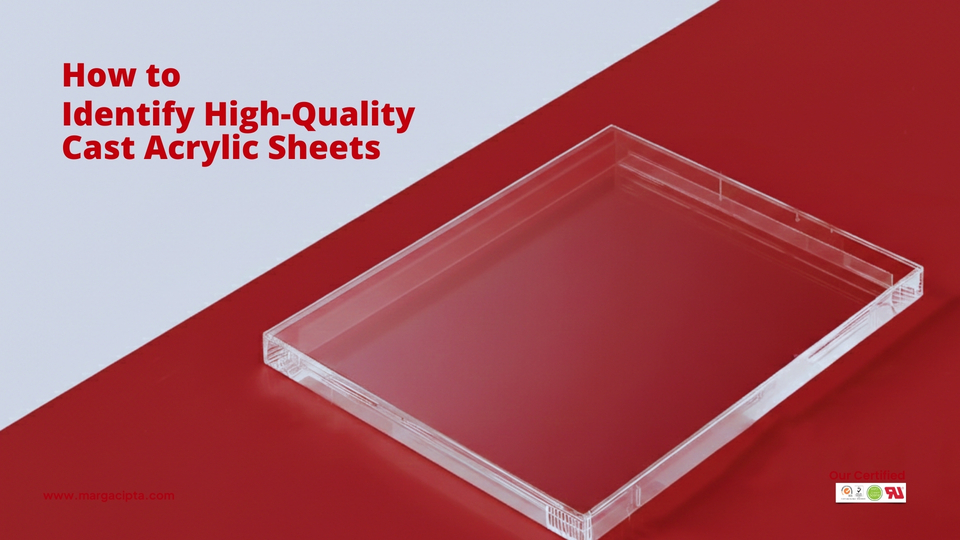
Acrylic Cleaner Guide: Safe Liquids to Clean Acrylic Without Damage

The best acrylic cleaner is a mild, non-abrasive liquid that cleans the surface without causing scratches, cloudiness, or chemical damage.

Using the wrong cleaner can permanently affect the appearance of acrylic sheets, especially clear acrylic surfaces.

To maintain clarity and durability, it is important to use safe cleaning solutions specifically suited for acrylic materials.

Why Acrylic Requires Special Cleaning

Acrylic sheets are durable and visually appealing, but their surface is more sensitive than glass. Using harsh chemicals or rough cleaning tools may cause:

  • Fine scratches
  • Cloudy appearance
  • Surface damage
  • Reduced clarity over time

Proper cleaning helps preserve the smooth finish and extends the lifespan of the material.

Read also: Why Cast Acrylic Is Better Than Glass: Benefits You Should Know

Best Liquids to Clean Acrylic

1. Mild Soap and Water

A mixture of mild liquid soap and clean water is one of the safest options for acrylic cleaning.

Benefits:

  • Gentle on the surface
  • Easy to use
  • Suitable for regular maintenance

Use a soft microfiber cloth to wipe the acrylic gently.

2. Specialized Acrylic Cleaner

Acrylic-specific cleaners are designed to remove dust, fingerprints, and dirt without damaging the material.

These cleaners help:

  • Reduce static buildup
  • Maintain clarity
  • Minimize streaks

They are recommended for displays, signage, and premium acrylic applications

3. Distilled Water

For light dust and minor cleaning, distilled water can be used safely. It helps prevent mineral spots and streaks that may occur with regular tap water.

Cleaning Tools to Use

When cleaning acrylic, always use:

  • Soft microfiber cloths
  • Non-abrasive wipes
  • Gentle wiping motions

Avoid:

  • Paper towels
  • Rough fabrics
  • Scrubbing pads

These materials can create fine scratches on the surface.

Liquids to Avoid

Certain chemicals should never be used on acrylic sheets.

Avoid:

  • Ammonia-based cleaners
  • Alcohol-based liquids
  • Glass cleaners
  • Strong solvents

These substances can cause acrylic to become cloudy, brittle, or cracked over time.

Proper Cleaning Technique

For best results:

  1. Remove loose dust first
  2. Apply cleaner gently
  3. Wipe in straight motions
  4. Dry using a clean microfiber cloth

Avoid circular scrubbing, as it may create visible swirl marks.

Read also: What Is Cast Acrylic Used For? A Closer Look

Why Acrylic Quality Also Matters

High-quality acrylic sheets generally offer:

  • Better surface consistency
  • Improved resistance to minor scratches
  • Longer-lasting clarity

Using premium acrylic materials helps maintain appearance even with frequent cleaning.

Marga Cipta supplies high-quality acrylic sheets suitable for displays, signage, fabrication, and decorative applications.

Conclusion

Choosing the right acrylic cleaner is essential to maintaining the clarity and durability of acrylic sheets.

Safe cleaning liquids such as mild soap solutions and specialized acrylic cleaners help prevent scratches and damage. Combined with proper cleaning techniques and high-quality materials, acrylic surfaces can remain clear and visually appealing for a long time.

Ready to explore our cast acrylic options? At Margacipta Wirasentosa, we offer high-quality clear cast acrylic sheets from 100% virgin MMA in various thicknesses and custom sizes to fit your needs.

Reach out to our Instagram or download our Product Catalog for more information.