FESPA Global Print Expo 2024

Expo

FESPA Global Print Expo returns to Amsterdam, The Netherlands next spring 2024 During 19-22 March, Europe’s leading print and signage exhibition attracts the worlds leaders in the industry to showcase their latest technology and developments. We look forward to welcoming you in Amsterdam, The Netherlands 19-22 March 2024! Visit our booth Hall 2 stand D26


News Release

How to Drill Acrylic Sheet Safely: A Complete Beginner's Guide

The safest way to drill acrylic sheet is by using the correct drill bit, applying light pressure, and supporting the material properly to prevent cracking or chipping. 

Whether you're fabricating signage, display stands, furniture, or decorative products, proper drilling techniques help achieve clean, accurate holes while preserving the quality of the acrylic.

Fortunately, drilling acrylic is straightforward when the right tools and methods are used.

Can You Drill Acrylic Sheet?

Yes. Acrylic sheets can be drilled successfully using standard drilling equipment, provided the correct technique is followed.

Unlike glass, acrylic is easier to machine and fabricate. However, improper drilling can create stress that leads to cracks or chipped edges.

Using suitable tools and maintaining proper drilling speed greatly reduces these risks.

Read also: Why Does Acrylic Turn Yellow? Causes and Prevention

Tools You'll Need

Before starting, prepare the following:

  • Power drill or drill press
  • Acrylic-compatible drill bit
  • Clamps
  • Wooden backing board
  • Safety glasses
  • Measuring tools and marker

A stable setup helps improve drilling accuracy and protects the acrylic during the process.

Step 1: Mark the Hole Location

Measure carefully and mark the drilling point.

Using masking tape over the drilling area can help improve visibility and reduce surface chipping.

Step 2: Support the Acrylic

Place the acrylic sheet on a flat wooden backing board.

This supports the material and minimizes vibration while drilling.

Never drill acrylic while it is unsupported.

Step 3: Use the Correct Drill Bit

Using an appropriate drill bit is one of the most important factors in preventing cracks.

Specialized acrylic drill bits or modified plastic drill bits typically produce cleaner holes than standard metal drill bits.

Sharp tools also help reduce stress on the material.

Step 4: Drill Slowly

Apply gentle, consistent pressure while maintaining a moderate drilling speed.

Avoid forcing the drill through the acrylic.

Allow the drill bit to remove material gradually rather than generating excessive heat.

Step 5: Finish Carefully

As the drill bit approaches the exit side of the acrylic, reduce pressure even further.

This helps prevent chipping when the hole is completed.

After drilling, remove any dust and inspect the hole for smoothness.

Common Mistakes to Avoid

Many acrylic drilling problems can be prevented by avoiding these common mistakes:

  • Drilling too quickly
  • Applying excessive pressure
  • Using dull drill bits
  • Skipping the backing board
  • Drilling too close to the sheet edge
  • Using damaged or low-quality acrylic

Careful preparation greatly improves the final result.

Why High-Quality Acrylic Matters

Material quality influences fabrication performance.

Premium cast acrylic sheets generally provide:

  • Consistent thickness
  • Better machining characteristics
  • Cleaner drilling results
  • Reduced risk of cracking
  • Professional-quality finishes

Marga Cipta manufactures premium cast acrylic sheets suitable for drilling, laser cutting, CNC machining, engraving, and custom fabrication.

Read also: Laser Cut Acrylic Sheet: Benefits, Applications, and Design Tips

Conclusion

Learning how to drill acrylic sheet safely helps prevent cracks while producing clean and accurate holes for fabrication projects.

By using the right drill bit, supporting the material properly, and drilling at a controlled speed, both beginners and professionals can achieve reliable, high-quality results.

Fabricate with Confidence Using Marga Cipta Acrylic

Marga Cipta offers premium cast acrylic sheets designed for machining, drilling, laser cutting, engraving, and custom fabrication.

For inquiries or orders, email info@margacipta.com.

For product information, inspiration, and the latest updates, follow Instagram @margacipta.

Why Does Acrylic Turn Yellow? Causes and Prevention

High-quality acrylic sheets are highly resistant to yellowing, but certain environmental conditions and material quality can affect their appearance over time. 

If acrylic becomes yellow, it is often due to prolonged UV exposure, harsh chemicals, excessive heat, or the use of low-quality materials.

Understanding why acrylic turns yellow can help businesses and fabricators choose the right material and maintain its clarity for years.

Does Acrylic Naturally Turn Yellow?

Unlike some plastics, acrylic is well known for its excellent optical clarity and UV resistance.

Premium cast acrylic sheets are manufactured to withstand outdoor exposure while maintaining their transparency and color stability. In many applications, high-quality acrylic can remain clear for years with proper care.

However, not all acrylic sheets offer the same level of performance.

Read also: Best Way to Glue Acrylic Sheet: Adhesives and Application Tips

Common Causes of Acrylic Yellowing

1. Prolonged UV Exposure

Although acrylic is naturally UV-resistant, continuous exposure to intense sunlight over many years may gradually affect lower-quality materials.

UV radiation can accelerate material aging, especially if the acrylic is not designed for outdoor applications.

Using UV-resistant acrylic sheets helps minimize this risk.

2. Poor Material Quality

Material quality is one of the biggest factors influencing long-term appearance.

Lower-quality acrylic may:

  • Yellow more quickly
  • Lose transparency
  • Become brittle over time
  • Develop surface imperfections

Premium cast acrylic generally provides better color stability and weather resistance.

3. Harsh Cleaning Chemicals

Cleaning acrylic with unsuitable chemicals may damage its surface.

Avoid using:

  • Ammonia-based cleaners
  • Strong solvents
  • Alcohol-based cleaners
  • Abrasive cleaning products

These chemicals can weaken the surface and contribute to discoloration over time.

Instead, use acrylic-safe cleaners and a soft microfiber cloth.

4. Excessive Heat

Exposure to high temperatures for extended periods can accelerate the aging process of acrylic.

While acrylic performs well in many environments, excessive heat combined with UV exposure may gradually reduce its visual quality.

5. Improper Storage

Storing acrylic sheets in unsuitable environments can also affect their appearance.

To maintain quality:

  • Store sheets indoors when possible
  • Keep them away from excessive sunlight before installation
  • Protect surfaces from dust and contaminants

Proper storage helps preserve the material before fabrication.

How to Prevent Acrylic from Turning Yellow

The best way to maintain acrylic clarity is through proper material selection and maintenance.

Recommended practices include:

  • Choose premium UV-resistant acrylic sheets.
  • Clean using acrylic-safe cleaning solutions.
  • Avoid harsh chemicals and abrasive tools.
  • Install the correct acrylic grade for outdoor applications.
  • Follow manufacturer recommendations for handling and maintenance.

These simple steps can significantly extend the lifespan of acrylic products.

Why High-Quality Acrylic Matters

Premium acrylic sheets offer several long-term advantages, including:

  • Excellent UV resistance
  • Superior optical clarity
  • Better weather durability
  • Improved color stability
  • Consistent performance over time

Choosing high-quality acrylic helps reduce maintenance and improves the longevity of finished products.

Marga Cipta manufactures premium cast acrylic sheets suitable for signage, displays, architectural features, retail applications, and other projects that require long-lasting clarity and performance.

Read also: How Long Does Acrylic Last Outdoors? Lifespan, UV Resistance, and Maintenance

Conclusion

So, why does acrylic turn yellow? In most cases, yellowing is caused by prolonged UV exposure, harsh chemicals, excessive heat, or poor material quality.

By selecting premium UV-resistant acrylic sheets and following proper maintenance practices, businesses can keep acrylic products clear, durable, and visually appealing for many years.

Choose High-Quality Acrylic for Long-Lasting Performance

Marga Cipta offers premium cast acrylic sheets designed for excellent clarity, weather resistance, and durability across a wide range of applications.

For inquiries or orders, email info@margacipta.com.

For product updates, inspiration, and application ideas, follow Instagram @margacipta.

What Is Acrylic Made Of? Composition, Properties, and Uses Explained

Acrylic is made from polymethyl methacrylate (PMMA), a transparent thermoplastic created from methyl methacrylate (MMA) monomers. This material is known for its excellent clarity, durability, and versatility, making it one of the most widely used alternatives to glass.

From signage and displays to architectural and industrial applications, acrylic sheets are valued for their combination of strength, aesthetics, and ease of fabrication.

Understanding what acrylic is made of can help businesses, designers, and manufacturers choose the right material for their projects.

Read also: What is Satin Acrylic? A Complete Guide to Its Look and Function

What Is Acrylic?

Acrylic is a synthetic plastic material that belongs to the family of thermoplastics. The most common form of acrylic used in sheets is PMMA, which is produced through a polymerization process.

During manufacturing, small molecules called methyl methacrylate monomers are chemically bonded together to form long polymer chains. The result is a strong, transparent material with excellent optical properties.

Because of its glass-like appearance and practical advantages, acrylic has become a popular material in various industries.

Main Components of Acrylic

The primary ingredient in acrylic is:

Polymethyl Methacrylate (PMMA)

PMMA is a transparent plastic that offers:

  • High optical clarity
  • Good weather resistance
  • Lightweight performance
  • Excellent fabrication flexibility

This composition gives acrylic its distinctive combination of transparency and durability.

Depending on the manufacturing process, additives may also be incorporated to enhance specific properties such as UV resistance, color stability, or surface finish.

Key Properties of Acrylic

One of the reasons acrylic is so widely used is its unique set of material properties.

Excellent Clarity

Acrylic offers outstanding light transmission, allowing it to achieve a clear and bright appearance. This makes it ideal for applications where visibility is important.

Lightweight Structure

Compared to glass, acrylic is significantly lighter, making transportation, installation, and fabrication easier.

Weather Resistance

High-quality acrylic sheets can withstand prolonged exposure to sunlight and outdoor conditions while maintaining their appearance.

Impact Resistance

Although not as impact-resistant as polycarbonate, acrylic is generally stronger and more durable than traditional glass.

Easy Fabrication

Acrylic can be cut, drilled, engraved, thermoformed, and printed, making it suitable for a wide range of custom projects.

Common Types of Acrylic Sheets

Acrylic sheets are available in various forms, including:

  • Clear acrylic sheets
  • Colored acrylic sheets
  • Frosted acrylic sheets
  • Satin acrylic sheets
  • Mirrored acrylic sheets

Each type is designed to meet different aesthetic and functional requirements.

Common Uses of Acrylic

Because of its versatility, acrylic is used in numerous applications.

Popular examples include:

1. Signage and Displays

Acrylic's clarity and printability make it a preferred material for retail and commercial signage.

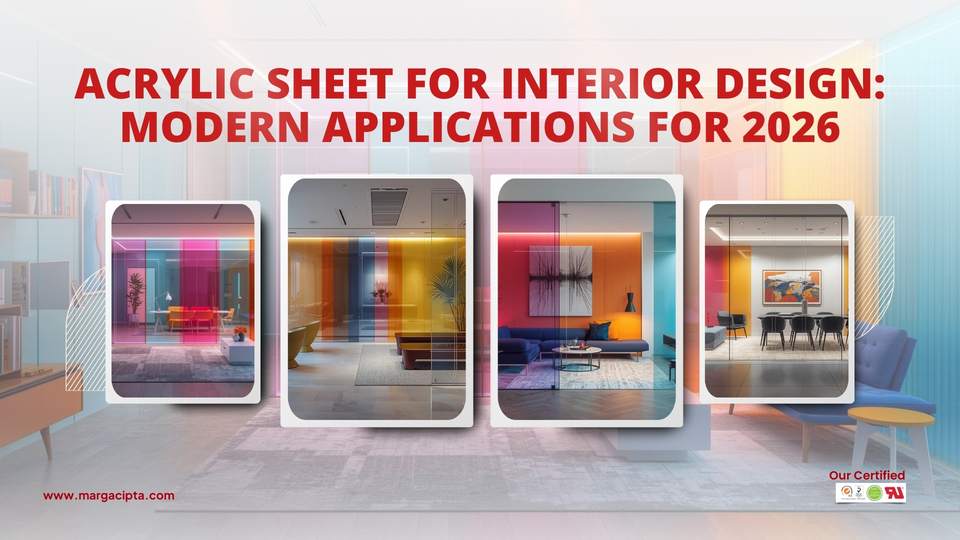
2. Interior Design

Decorative panels, partitions, and furniture elements often utilize acrylic for its modern appearance.

3. Industrial Applications

Many industries use acrylic for machine guards, protective covers, and fabricated components.

4. Architectural Features

Acrylic is frequently incorporated into building designs, skylights, and decorative structures.

Read also: Is Acrylic Waterproof? Understanding Its Water Resistance

Why Material Quality Matters

Not all acrylic sheets offer the same performance.

High-quality acrylic provides:

  • Better clarity
  • Consistent thickness
  • Improved weather resistance
  • Reliable fabrication results

Marga Cipta supplies premium acrylic sheets suitable for signage, displays, interiors, fabrication, and industrial applications.

Conclusion

So, what is acrylic made of? Acrylic is primarily composed of polymethyl methacrylate (PMMA), a transparent thermoplastic known for its durability, clarity, and versatility.

Its unique composition allows it to be used across a wide range of industries and applications. By choosing high-quality acrylic sheets, businesses and manufacturers can achieve reliable performance and professional results.

Ready to explore our cast acrylic options? At Margacipta Wirasentosa, we offer high-quality clear cast acrylic sheets from 100% virgin MMA in various thicknesses and custom sizes to fit your needs.

Reach out to our Instagram or download our Product Catalog for more information.

What Is Cast Acrylic Used For? A Closer Look

Cast acrylic is a durable, lightweight, and visually appealing plastic material that has become a popular choice across many industries. 

Whether you're working on a commercial design project or creating decorative home pieces, cast acrylic offers strength, clarity, and flexibility in a wide range of colors and thicknesses.

But what is cast acrylic used for, exactly? Let’s explore its most common and practical applications.

1.   Signage and Advertising Displays

One of the most widespread uses of cast acrylic is in sign-making and illuminated displays. Its excellent light transmission and ability to be laser-cut, engraved, or printed on make it a favorite for:

  • Storefront signage
  • LED lightboxes
  • Wayfinding signs
  • Retail advertising boards  

Cast acrylic maintains its clarity and vibrancy over time, making it ideal for both indoor and outdoor signage. It can be customized in various colors and finishes to match brand identities.

2.   Display Cases and Product Stands  

Retailers, museums, and exhibitions often use cast acrylic for clear display cases,product risers, and presentation boxes. Its glass-like transparency showcases products attractively without the fragility or weight of real glass.

From high-end jewelry counters to art galleries, cast acrylic is trusted to create elegant, protective enclosures that don’t distract from the items inside.

Read also: Benefits of Using Clear Cast Acrylic Sheet

3.   Interior Design and Furniture  

In modern interiors, cast acrylic is valued for its sleek appearance and versatility. It’s used to make:

  • Room dividers
  • Decorative wall panels 
  • Floating shelves
  • Custom tabletops  

Its ability to be cut, polished, and shaped makes it a designer-friendly material for creating   minimalist or contemporary furniture   pieces with a polished, professional finish.

4.   Architectural Applications  

Thanks to its strength and weather resistance, cast acrylic is often used in architectural elements, especially for:

  • Skylights  
  • Roof panels  
  • Facade details  
  • Outdoor canopies  

It can withstand harsh environments without yellowing or cracking, making it suitable for   long-term outdoor use   in commercial and residential buildings.

5.   Aquariums and Water Features  

Cast acrylic is also commonly used in aquarium manufacturing, especially for larger tanks. Its   optical clarity, impact resistance, and ability to hold water pressure better than glass make it the ideal material for:

  • Home aquariums  
  • Public aquarium panels  
  • Water fountains and decorative tanks  

It offers a distortion-free view, even with thick panels, which is crucial for underwater observation.

6.   Protective Barriers and Shields  

Especially since the pandemic, cast acrylic has seen increasing use in protective barriers, such as:

  • Cashier shields  
  • Reception counter guards  
  • Office desk dividers  

It serves as a clear barrier while maintaining communication and visibility—offering safety without sacrificing customer experience.

Read also: Do’s and Don’ts: Cleaning Acrylic Sheet the Right Way

7.   DIY Projects and Crafts  

Cast acrylic is popular among crafters and hobbyists because it’s easy to cut, engrave, and assemble. People use it for:

  • Custom keychains and signage  
  • Home decor pieces  
  • Photo frames  
  • Wedding and event props  

With the wide variety of colors and finishes available, creative possibilities are endless.

8.   Medical and Industrial Applications

In specialized environments, cast acrylic is used to make:

  • Instrument covers  
  • Medical equipment housings  
  • Machine guards  

Its chemical resistance and clarity make it useful in laboratories, factories, and cleanroom settings where durability and visibility are essential.

So, what is cast acrylic used for?

From advertising and architecture to DIY crafts and safety equipment, cast acrylic proves itself to be a highly versatile and reliable material. 

Its combination of durability, optical clarity, and workability makes it a top choice for both creative and functional applications.

At Margacipta Wirasentosa, we supply premium cast acrylic sheets in a wide range of colors, thicknesses, and finishes—perfect for your next project, big or small.

Looking for high-quality cast acrylic sheets? 

Contact us or visit our Instagram to discover the perfect acrylic solution for your needs.