Is Acrylic Waterproof? Understanding Its Water Resistance

Informational

Yes, acrylic is waterproof. Acrylic sheets do not absorb water and can maintain their structural integrity even when exposed to moisture, rain, or humid environments.

This water resistance is one of the reasons acrylic is widely used in applications ranging from signage and displays to aquariums and protective barriers.

However, understanding what "waterproof" means in the context of acrylic can help ensure the material is used appropriately.

What Does Waterproof Mean for Acrylic?

When people ask whether acrylic is waterproof, they typically want to know whether water can damage the material.

Acrylic's non-porous surface prevents water from penetrating the material, which means it does not:

  • Swell
  • Rot
  • Rust
  • Absorb moisture

This makes acrylic a reliable material for environments where water exposure is common.

Read also: Why Does Acrylic Become Brittle? Common Mistakes You Should Avoid

How Does Acrylic Perform in Wet Conditions?

Acrylic performs exceptionally well when exposed to water.

Unlike wood or certain composite materials, acrylic remains stable even after repeated contact with moisture.

It can be used in environments such as:

  • Outdoor installations
  • Bathrooms
  • Aquariums
  • Decorative water features
  • Protective covers

Its resistance to moisture helps preserve both appearance and functionality.

Is Acrylic Suitable for Outdoor Rain Exposure?

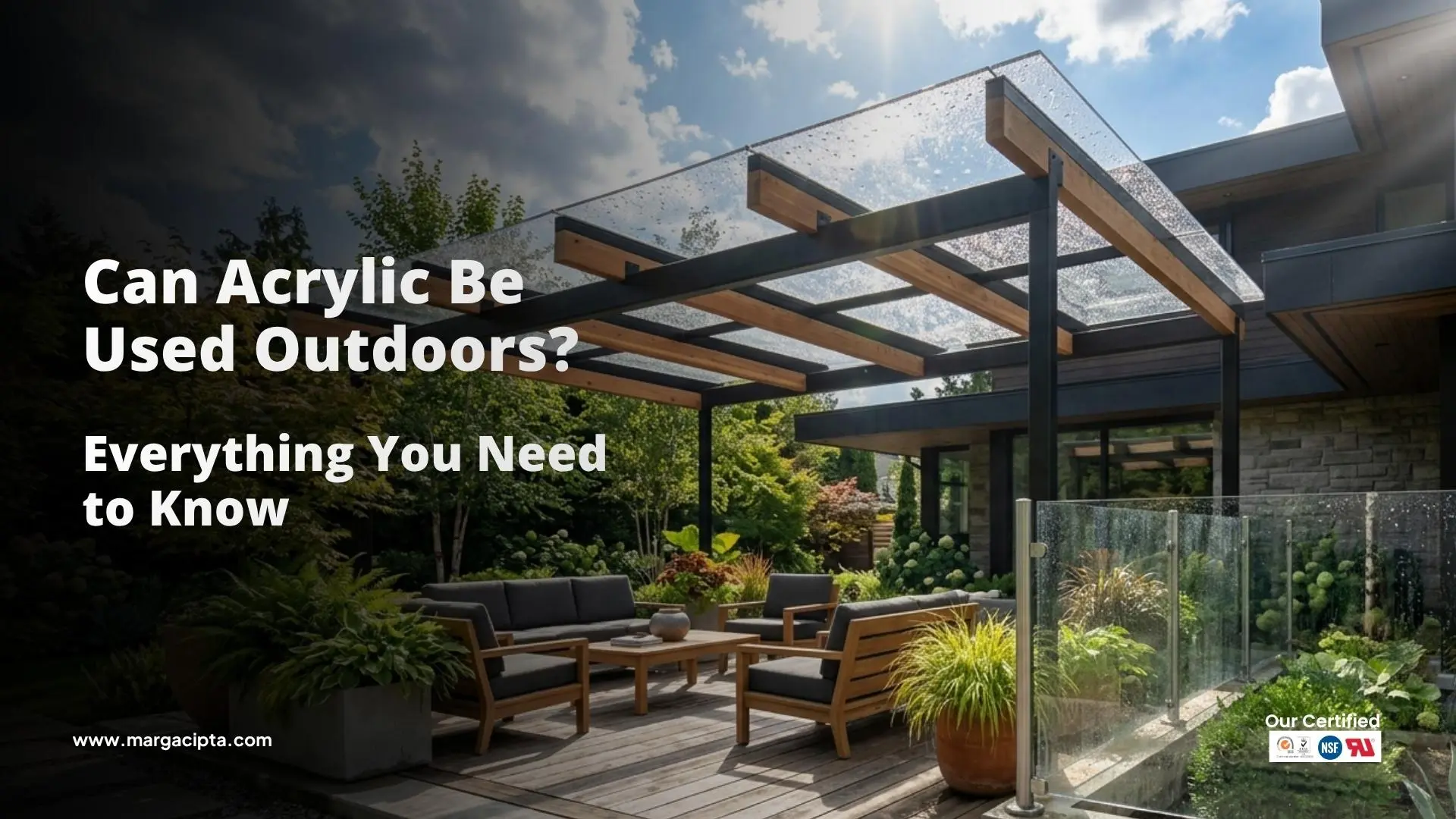
Yes. Acrylic is commonly used outdoors because it can withstand rain and humidity without deterioration.

When paired with its natural UV resistance, acrylic becomes an excellent option for:

  • Outdoor signage
  • Display panels
  • Architectural features
  • Protective barriers

High-quality acrylic sheets can maintain their clarity and performance for years in outdoor environments.

Acrylic vs Other Materials in Wet Environments

Compared to many traditional materials, acrylic offers several advantages.

Acrylic vs Wood

Wood can absorb water, expand, and deteriorate over time. Acrylic remains unaffected by moisture.

Acrylic vs Metal

Certain metals can rust when exposed to water. Acrylic does not corrode.

Acrylic vs Glass

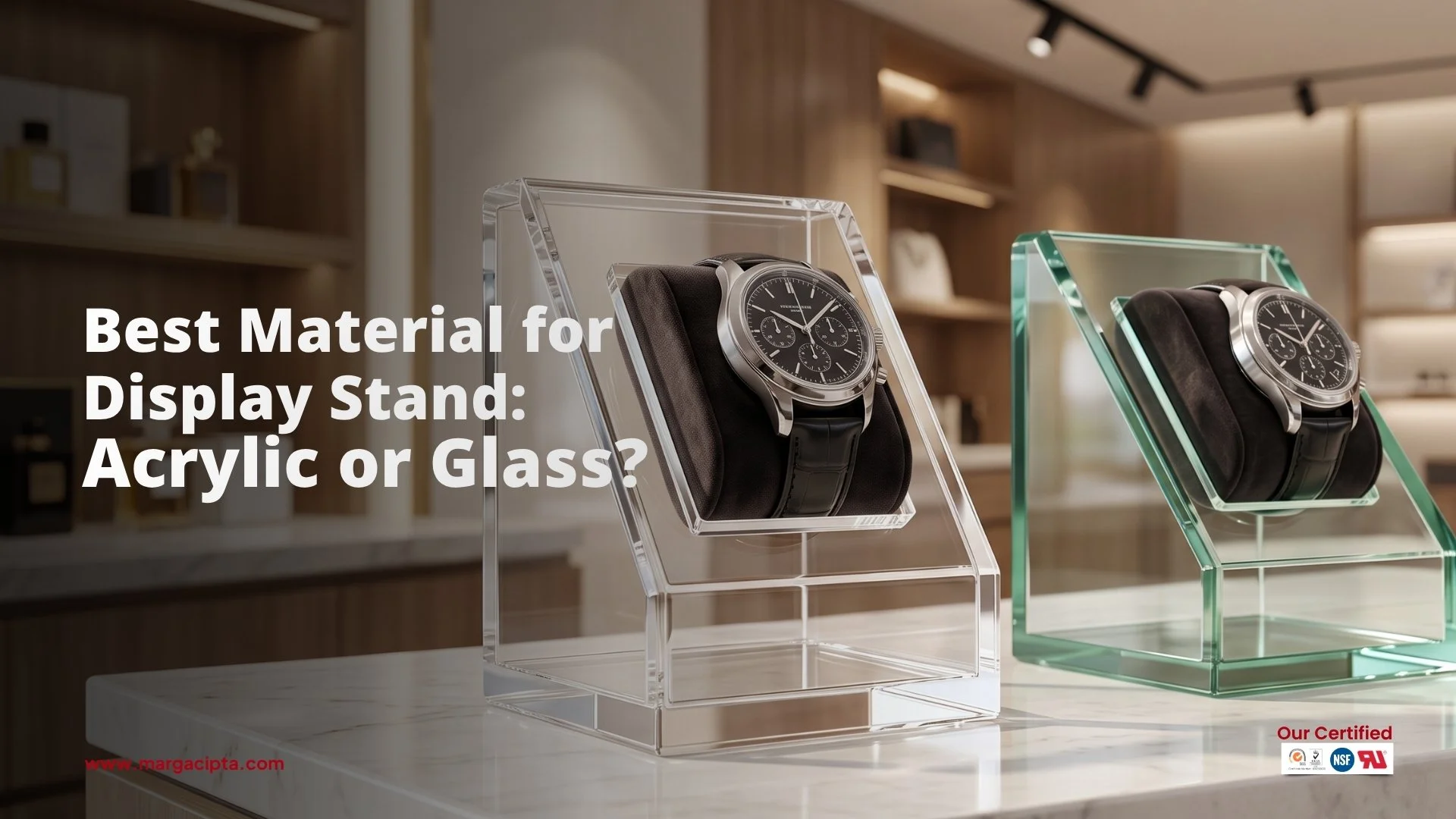
Both materials resist water, but acrylic offers the added benefits of lighter weight and greater impact resistance.

Applications That Benefit from Acrylic's Water Resistance

Many industries rely on acrylic because of its ability to perform in wet environments.

Common examples include:

  • Aquariums
  • Splash guards
  • Outdoor signage
  • Retail displays
  • Interior partitions
  • Decorative installations

Its combination of water resistance and visual clarity makes it a versatile material for both functional and decorative uses.

Read also: What is Satin Acrylic? A Complete Guide to Its Look and Function

Does Water Affect Acrylic Over Time?

Water itself generally does not damage acrylic.

However, performance can be affected if acrylic is exposed to:

  • Harsh cleaning chemicals
  • Improper installation
  • Extreme mechanical stress

Using proper maintenance techniques helps preserve the material's appearance and durability.

Why Material Quality Matters

The quality of the acrylic sheet plays a significant role in long-term performance.

Premium acrylic typically offers:

  • Better clarity
  • More consistent thickness
  • Improved weather resistance
  • Enhanced durability

Marga Cipta supplies high-quality acrylic sheets suitable for applications that require durability, transparency, and reliable water resistance.

Conclusion

Is acrylic waterproof? Yes, acrylic is highly water-resistant and does not absorb moisture.

Its waterproof characteristics, combined with excellent clarity and durability, make it a preferred material for both indoor and outdoor applications.

By choosing high-quality acrylic sheets, businesses and fabricators can maximize performance in wet and humid environments.

Ready to explore our cast acrylic options? At Margacipta Wirasentosa, we offer high-quality clear cast acrylic sheets from 100% virgin MMA in various thicknesses and custom sizes to fit your needs.

Reach out to our Instagram or download our Product Catalog for more information.

News Release

The Global Roller Coaster – Closed for the Season?

May 10, 2019May 11, 2019 mcwsi


Are the days of monthly acrylic price creep behind us? Are we entering a period of regular price drops? Will price stability level the playing field and reduce the risks of pricing shenanigans? Here we are, one year after our 2018 Global MMA Roller Coaster assessment considering the impact of a reverse pricing trajectory that is challenging purchasing and marketing managers throughout the supply chain.


MMA prices (methyl methacrylate, the raw material used to produce a wide range of products distributed by IAPD members) have declined about 25% since their 2018 peak levels. Some distributors are enjoying richer profit margins while others are losing market share to aggressive players betting the decline will continue.


In short, soft demand, over supply of MMA and the possible threat of trade war tariffs at most levels of the supply chain have played a part in the current trends. Since the 1st Qtr ’19, prices in China have not decreased further indicating some stability. The South East Asian markets, however, continue to show weakness that point to further declines. In fact, we anticipate another price drop in May as South East Asian MMA demand is still oversupplied.


While stocks and output seem to have completed the needed adjustments during the 1st Qtr, the overall softer market does not warrant any price rebound. Any further price drops should not reach the magnitude of the previous quarter. We have probably hit bottom and any China price increase will be offset by other markets.


In the U.S., fires at some Lucite tanks will disrupt domestic supply. The same situation is affecting Brazil. Once those suppliers replenish, and barring any further unforeseen events, prices should remain level through the end of the year.


MARGACIPTA, Asia’s largest cell cast manufacturer, closely monitors MMA prices on a regular basis in order to provide our clients with the latest pricing data. Keep in touch with us or your sales reps as you manage your inventory positions and make smarter purchasing and marketing decisions possible.


Acrylic, MMA Acrylic, Asia, Global MMA, internatiional, MMA, pricing

Acrylic Usage Trends 2026: New Applications in Design and Industry

Acrylic continues to gain momentum as one of the most versatile materials across design, construction, and manufacturing industries. Known for being lightweight, strong, highly transparent, and easy to fabricate, acrylic is increasingly replacing traditional materials such as glass and metal.

As we move into 2026, acrylic is no longer limited to signage or displays. Its applications are expanding rapidly, opening new opportunities for businesses, designers, architects, and manufacturers. Below are the key acrylic usage trends predicted to shape design and industry in 2026.

Trend 1: Acrylic Interior Panels

One of the strongest acrylic usage trends in 2026 is the rise of acrylic interior panels for both commercial and residential buildings.

Why this trend is growing:

The rapid development of offices, retail spaces, hotels, and modern housing has increased demand for materials that are visually appealing, durable, and cost-efficient. Acrylic interior panels offer high clarity and a sleek, minimalistic look, making them ideal for partitions, wall panels, and decorative elements.

Compared to glass, acrylic is more affordable, lighter, and easier to install. Designers and architects also favor acrylic for its flexibility in color, thickness, and finish, allowing them to create modern interior concepts without compromising safety or aesthetics.

Read also: 100% Virgin MMA: The Key to High-Quality Acrylic Sheets

Trend 2: LED Signage and Display Systems

LED signage remains one of the most dominant acrylic applications heading into 2026.

Why this trend continues to rise:

Offline retail transformation is still strong, particularly in developing markets where physical stores continue to evolve. Many small and medium-sized businesses are renovating storefronts and upgrading visual branding, increasing demand for LED signage and display systems.

Acrylic is the preferred material for LED signage due to its excellent light transmission, smooth surface, and ability to diffuse light evenly. From illuminated logos and lightboxes to promotional displays, acrylic helps businesses create brighter, more attractive visual communication.

Trend 3: Acrylic Greenhouse Panels

Sustainability and food security are driving the growth of urban farming, hydroponics, and smart agriculture—making acrylic greenhouse panels a key trend in 2026.

Why this trend is emerging:

Acrylic offers superior UV resistance, high transparency, and better impact strength compared to glass. These properties make it ideal for greenhouse roofs and walls, where consistent light transmission and durability are essential.

As urban farming expands into rooftops, compact land areas, and controlled environments, acrylic greenhouse panels provide a long-lasting, lightweight solution that supports plant growth while reducing maintenance costs.

Read also: Food Grade Acrylic: Safe Choice for Your F&B Business

Trend 4: Furniture, Home Décor, and Small Products

Acrylic furniture and decorative items are gaining popularity, influenced heavily by social media-driven interior trends.

Why this trend is accelerating:

Clean, modern, and minimalist interiors are in high demand, and acrylic fits perfectly into this aesthetic. Furniture such as acrylic chairs, tables, shelves, and decorative panels offers a contemporary look without making spaces feel heavy.

In addition, e-commerce sellers increasingly use acrylic for DIY products and small household items. Consumers prefer materials that are lightweight, modern, durable, and visually appealing—qualities that acrylic delivers consistently.

Acrylic: A Material with Expanding Relevance

The versatility of acrylic makes it increasingly relevant across industries beyond traditional applications. From architecture and retail to agriculture and lifestyle products, acrylic continues to adapt to changing market needs.

To support these growing demands, choosing a high-quality material is essential. MC® Cast Acrylic Sheet is a proven solution, offering consistent clarity, strength, and fabrication performance for both design and industrial applications.

Conclusion

Acrylic usage trends in 2026 highlight a clear shift toward materials that combine aesthetics, durability, and flexibility. Interior panels, LED signage, greenhouse systems, and furniture are just a few examples of how acrylic is shaping the future of design and industry.

By leveraging reliable materials like MC® Cast Acrylic Sheet, businesses can stay ahead of trends and unlock new opportunities in an evolving market.

The Best Cast Acrylic Sheet

Before discussing the best acrylic sheet products, let's get to know a little about acrylic sheet. Acrylic sheet is a sheet made of acrylic material, which is very similar to glass.

This material has greater strength than glass, but remains transparent like glass. Therefore, acrylic sheets are very popular for various purposes, such as making vitrine, display, and also for decoration purposes.

Then, what makes acrylic sheet from Marga Cipta the best among other products? Here are some of the advantages of Marga Cipta cast acrylic sheets:

1. Best Quality

Marga Cipta acrylic sheet or MC® cast acrylic sheet has the best quality in its class. The material used is pure acrylic, which provides greater strength as well as a clearer appearance.

Read also: Do’s and Don’ts: Cleaning Acrylic Sheet the Right Way

2. Available in Various Sizes

Marga Cipta acrylic sheet is available in various sizes, from small to large. This allows you to use this MC® cast acrylic sheet for a variety of purposes, from small ones such as making displays to large ones such as making showcases.

3. Easy to Shape

Marga Cipta acrylic sheet is very easy to shape according to your needs. This material can be cut, forged, and also bent without worrying about breaking or cracking.

4. Anti-UV

MC® cast acrylic sheet is also equipped with anti-UV technology. MC® acrylic products use UV Stabilizers and Weathering Tests have been carried out using International Standard Weathering Machines, so that MC® acrylic products are resistant to sunlight and also durable.

Read also: Things to Check Before Buying Acrylic

5. Easy to Find

Marga Cipta acrylic sheet products are very easy to find in acrylic, material and building materials stores. You can also buy this product online through our distributors or through trusted online stores.

Of the various advantages possessed by Marga Cipta acrylic sheet, it's no wonder that this product is the best among other products. In addition, the price offered by Marga Cipta is also very competitive with the quality provided and no big difference compare to recycle acrylic.

If you want to use acrylic sheets for your various needs, choose Marga Cipta acrylic sheet products as the best choice. With the best quality, easy to shape, and also durable, this product will be the right choice for your needs.

Need high-quality cast acrylic sheet for your next project? Send your order to info@margacipta.com.

Visit our Instagram for more details about our cast acrylic sheets, or download our Product Catalog here.

What Acrylic to Use for Cake Topper: A Complete Material Guide

If you are planning to create cake toppers, one of the most common questions is: what acrylic to use for cake topper projects? Choosing the right type of acrylic is essential to ensure durability, clean cuts, and a professional finish.

With various options available, understanding the basics of acrylic sheets will help you make the right decision for your needs.

Understanding Acrylic Types

There are two main types of acrylic sheets: cast acrylic and extruded acrylic.

Cast acrylic is generally preferred for cake toppers because it offers better optical clarity and superior engraving results. It also responds well to laser cutting, producing smooth and polished edges.

Extruded acrylic, while more affordable, is softer and may not deliver the same level of detail when engraved or cut. However, it can still be used for simpler designs or cost-sensitive projects.

Read also: Best Acrylic Sheet for Cake Topper: Thickness, Finish & Tips

1. Choosing the Right Thickness

Thickness is another important factor when deciding what acrylic to use.

For most cake topper applications, a thickness of 2 mm to 3 mm is recommended. This range provides enough strength to hold its shape while still being easy to cut and handle.

If your design is larger or more complex, opting for 3 mm acrylic can provide additional stability. Thinner sheets may bend, while thicker ones can be harder to work with.

2. Selecting the Right Finish

The finish of the acrylic sheet will influence the final look of your cake topper.

Clear acrylic is the most versatile option, offering a modern and elegant appearance. It is ideal for weddings, corporate events, and minimalist designs.

Colored acrylic sheets are perfect for creating bold and eye-catching toppers. Popular choices include black, white, gold, and pastel shades.

Frosted acrylic is another option for achieving a soft, diffused look, while mirrored acrylic can add a luxurious touch.

3. Compatibility with Fabrication Methods

When deciding what acrylic to use for cake topper production, it is important to consider your fabrication method.

Laser cutting is the most commonly used technique, and high-quality acrylic sheets will ensure precise cuts and smooth edges. Acrylic also works well with UV printing and engraving, allowing for customized designs and branding.

Choosing the right material ensures fewer defects and better overall results during production.

Read also: Acrylic Sheet for Display Stand: Best Thickness and Type to Use

Why Material Quality Matters

Using high-quality acrylic sheets is key to achieving consistent and professional outcomes. Low-quality materials may have uneven thickness, poor clarity, or be prone to cracking during cutting.

For businesses, investing in premium acrylic sheets helps maintain product quality and reduces waste during production.

Working with a trusted supplier ensures that you get reliable materials that meet your production standards.

Conclusion

Understanding what acrylic to use for cake topper projects comes down to selecting the right type, thickness, and finish. Cast acrylic with a thickness of 2 mm to 3 mm is generally the best choice for most applications.

By choosing high-quality acrylic sheets and using proper fabrication techniques, you can create cake toppers that are not only durable but also visually appealing and professional.

Still unsure what acrylic to use for your cake topper? Marga Cipta offers a wide range of high-quality acrylic sheets in various thicknesses and finishes to suit your project requirements.

Contact us at info@margacipta.com or our Instagram to order and get the best material for your production needs.