Best Acrylic Sheet for Cake Topper: Thickness, Finish & Tips

Informational

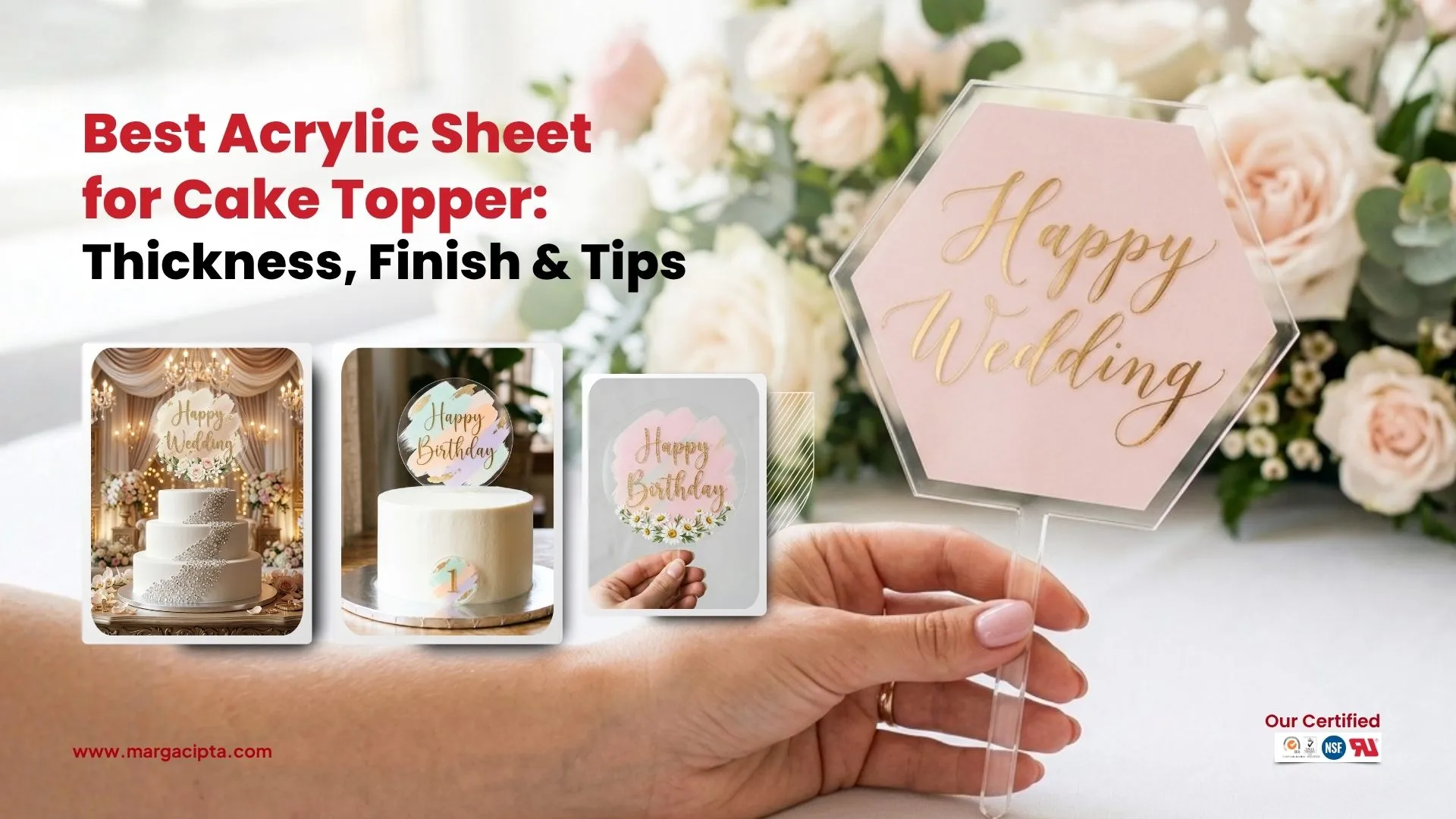
Acrylic has become one of the most popular materials for creating cake toppers, thanks to its clarity, durability, and versatility.

Whether you are a small business owner, crafter, or manufacturer, choosing the right acrylic sheet for cake topper projects is essential to achieve clean, professional results.

Understanding the right thickness, finish, and material characteristics will help you produce high-quality toppers that stand out.

Why Acrylic Sheet is Ideal for Cake Toppers

Acrylic sheets are lightweight yet strong, making them perfect for decorative applications like cake toppers. Compared to other materials, acrylic offers a smooth surface that is easy to cut, engrave, and print on.

It also provides a premium look with glass-like clarity, which enhances the overall aesthetic of the cake design. For businesses, acrylic ensures consistency in production, especially when using laser cutting or CNC machines.

Read also: Acrylic Application for Accessories: Stylish, Durable, and Versatile

1. Choosing the Right Thickness

Thickness plays a crucial role in determining the durability and appearance of your cake topper.

For most applications, acrylic sheets between 2 mm to 3 mm are considered ideal. A 2 mm sheet works well for smaller, lightweight designs, while 3 mm provides additional rigidity for larger or more intricate toppers.

Using acrylic that is too thin may result in bending or breakage, while overly thick sheets can look bulky and harder to cut with precision.

2. Selecting the Right Finish

Acrylic sheets come in a variety of finishes, each offering a different visual effect.

Clear acrylic is the most commonly used option for cake toppers. It delivers a clean and elegant look, especially for weddings and formal events. 

Colored acrylic sheets, such as black, gold, or pastel tones, are also popular for adding contrast and personality.

For a softer appearance, frosted acrylic can be used to create a matte effect. Meanwhile, glossy finishes are ideal when you want a more vibrant and polished result.

3. Fabrication Tips for Best Results

To achieve the best outcome, proper handling and fabrication techniques are essential.

Laser cutting is highly recommended for creating precise shapes and smooth edges. Make sure to use high-quality acrylic sheets to avoid chipping or uneven cuts.

When designing your topper, consider adding a strong base or stem to ensure stability when placed on the cake. It is also important to remove protective film carefully after cutting to maintain a scratch-free surface.

Read also: Acrylic for Art and Crafts, Endless Creativity Only for You

Choosing Quality Acrylic Sheets

Not all acrylic sheets are created equal. High-quality acrylic offers better clarity, consistent thickness, and improved durability.

For businesses or bulk production, sourcing acrylic sheets from a reliable supplier ensures consistent results across every batch. This is especially important for maintaining product quality and customer satisfaction.

Conclusion

Selecting the best acrylic sheet for cake topper projects comes down to choosing the right thickness, finish, and material quality. With the right combination, acrylic provides a perfect balance of strength, aesthetics, and ease of fabrication.

For anyone looking to produce professional-grade cake toppers, investing in high-quality acrylic sheets is a smart and reliable choice.

Looking for high-quality acrylic sheets for your cake topper projects? Marga Cipta provides premium acrylic sheets with consistent thickness, excellent clarity, and ready-to-process surfaces, perfect for laser cutting and custom designs. 

Contact us at info@margacipta.com or our Instagram to order and get the best material for your production needs. 

News Release

Introduction to Margacipta Cast Acrylic Sheet Factory

Introduction to Margacipta Cast Acrylic Sheet Factory

Margacipta is a leading manufacturer of cast acrylic sheets, renowned for its commitment to quality, innovation, and sustainability. With state-of-the-art facilities and a dedicated team of professionals, Margacipta has established itself as a trusted supplier in the industry.

Manufacturing Process at Margacipta

At Margacipta, the manufacturing process begins with the careful selection of raw materials. Only the highest quality methyl methacrylate (MMA) and polymethyl methacrylate (PMMA) pellets are used, ensuring superior performance and durability.

Advantages of Margacipta Cast Acrylic Sheets

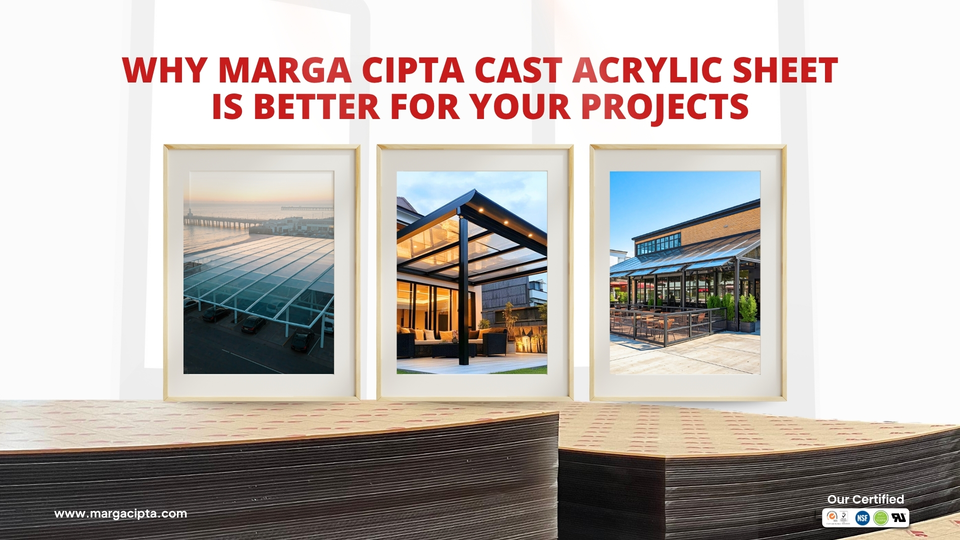
Margacipta cast acrylic sheets offer numerous advantages over other materials. Their exceptional clarity, scratch resistance, and UV stability make them ideal for a wide range of applications. Additionally, Margacipta's commitment to environmental consciousness ensures that its products are not only high-quality but also sustainable.

Applications of Margacipta Cast Acrylic Sheets

Margacipta cast acrylic sheets are used in various industries, including architectural glazing, signage and displays, and the automotive industry. Their versatility and aesthetic appeal make them a popular choice for designers and manufacturers seeking reliable and cost-effective solutions.

Challenges Faced by Margacipta

Despite its success, Margacipta faces challenges such as market competition, rapid technological advancements, and fluctuations in raw material sourcing. However, with its dedication to innovation and continuous improvement, Margacipta is well-positioned to overcome these challenges and thrive in the industry.

Future Prospects of Margacipta

The future looks promising for Margacipta, with growing demand for high-quality cast acrylic sheets worldwide. As the industry evolves and new opportunities emerge, Margacipta remains committed to delivering innovative solutions that meet the needs of its customers and contribute to sustainable development.

Conclusion

In conclusion, Margacipta is a leading manufacturer of cast acrylic sheets, known for its commitment to quality, innovation, and sustainability. With its advanced manufacturing processes, superior products, and dedication to environmental consciousness, Margacipta is poised for continued success in the years to come.


Acrylic Sheet for Display Stand: Best Thickness and Type to Use

Acrylic sheet has become one of the most popular materials for display stands due to its clarity, durability, and versatility. Whether used in retail stores, exhibitions, or offices, choosing the right acrylic sheet for display stand is essential to ensure both aesthetics and functionality.

However, many people still struggle to determine the best thickness and type for their specific needs.

Why Acrylic Sheet is Ideal for Display Stands

Acrylic offers several advantages compared to glass or other materials:

  • High transparency similar to glass but lighter
  • Shatter-resistant and safer to use
  • Easy to fabricate (cutting, bending, engraving)
  • Professional and modern appearance

These qualities make acrylic sheets a top choice for product displays, signage, brochure holders, and more.

Read also: A Step-by-Step Guide on How to Cut Acrylic Sheet Safely

Best Thickness for Acrylic Display Stand

Choosing the right thickness depends on the size and purpose of the display.

Here are common recommendations:

  • 2-3 mm:
    Suitable for small, lightweight displays such as price tags or brochure holders.
  • 4-5 mm:
    Ideal for medium-sized display stands with moderate weight.
  • 6 mm and above:
    Recommended for larger or heavy-duty displays that require extra strength and stability.

Using acrylic that is too thin may cause bending or cracking, while overly thick sheets can increase costs unnecessarily.

Types of Acrylic Sheet

Understanding the different types of acrylic is equally important.

1. Cast Acrylic

  • Higher clarity and premium finish
  • Better for laser cutting and polishing
  • More durable and resistant to chemicals

Best for high-end display stands where appearance matters.

2. Extruded Acrylic

  • More affordable
  • Consistent thickness
  • Easier for mass production

Suitable for standard display applications with budget considerations.

Clear vs Colored Acrylic

  • Clear acrylic: Most common, ideal for showcasing products without distraction
  • Colored acrylic: Adds branding and visual appeal
  • Frosted acrylic: Provides a premium, soft look and reduces glare

The choice depends on branding and display goals.

Read also: How to Choose UV Resistant Acrylic Sheets for Outdoor Applications

Tips for Choosing the Right Acrylic Sheet

To ensure the best result:

  • Match thickness with the load and size of display
  • Choose cast acrylic for premium finishes
  • Consider environment (indoor vs outdoor use)
  • Ensure proper cutting and bending process

Common Mistakes to Avoid

  • Using acrylic that is too thin for heavy products
  • Ignoring surface finish quality
  • Choosing the wrong type for fabrication method

These mistakes can reduce durability and visual impact.

Conclusion

Selecting the right acrylic sheet for the display stand involves balancing thickness, type, and purpose. By understanding these factors, you can create displays that are both durable and visually appealing.

Looking for high-quality acrylic sheets?

Marga Cipta provides a wide range of acrylic sheets with various thicknesses and types, suitable for display stands, signage, and custom applications. Get the right material to elevate your display quality.

How to Bend Acrylic Sheet: Methods, Tools, and Best Practices

Acrylic sheets can be bent by applying controlled heat until the material becomes flexible enough to shape.

This process is widely used in signage, displays, retail fixtures, and custom fabrication projects.

When performed correctly, bending acrylic allows manufacturers and fabricators to create clean, durable, and professional-looking products without compromising the material's appearance.

Why Acrylic Can Be Bent

Acrylic is a thermoplastic material, meaning it softens when heated and hardens again as it cools.

This property makes acrylic ideal for creating:

  • Display stands
  • Sign holders
  • Product showcases
  • Protective covers
  • Custom fabricated components

Proper heating techniques are essential to achieve smooth bends without damaging the material.

Read also: Acrylic vs Glass for Plaque: Which Material is Better?

Common Methods for Bending Acrylic

Several methods are used depending on the project requirements and equipment available.

1. Strip Heater Bending

A strip heater is one of the most common tools used for acrylic fabrication.

The heater applies concentrated heat along a specific line, allowing the sheet to bend precisely where needed.

Benefits include:

  • Clean bending lines
  • Good accuracy
  • Suitable for production environments

2. Heat Gun Bending

A heat gun can also be used for smaller projects or custom work.

Advantages include:

  • Portable equipment
  • Lower cost
  • Flexible application

However, heat distribution may be less consistent compared to a strip heater.

3. Oven Heating

For complex shapes or larger bends, acrylic sheets can be heated in a temperature-controlled oven.

This method allows:

  • Uniform heating
  • Greater forming flexibility
  • More advanced shaping possibilities

It is commonly used in industrial and large-scale fabrication.

Tools Needed for Acrylic Bending

Depending on the method, common tools include:

  • Strip heater
  • Heat gun
  • Industrial oven
  • Clamps
  • Straight edge guides
  • Protective gloves

Using proper equipment improves accuracy and reduces the risk of damage.

Best Practices for Bending Acrylic

Apply Heat Evenly

Uneven heating can lead to stress marks, bubbles, or cracks.

Avoid Overheating

Excessive heat may cause discoloration or surface distortion.

Use Proper Support

Supporting the acrylic during bending helps maintain accurate angles and prevents unwanted deformation.

Allow Sufficient Cooling Time

Acrylic should be allowed to cool completely before handling to maintain its new shape.

Common Mistakes to Avoid

Many fabrication issues result from avoidable mistakes.

These include:

  • Heating too quickly
  • Applying uneven heat
  • Bending cold acrylic
  • Using low-quality materials
  • Removing support too early

Following proper fabrication techniques helps ensure professional results.

Read also: Why Cast Acrylic Is Better Than Glass: Benefits You Should Know

Why Material Quality Matters

High-quality acrylic sheets typically provide:

  • More consistent heating performance
  • Cleaner bending results
  • Reduced risk of cracking
  • Better overall appearance

Material consistency is especially important for projects requiring precise fabrication.

Marga Cipta supplies premium acrylic sheets suitable for cutting, engraving, thermoforming, and bending applications.

Conclusion

Understanding how to bend acrylic sheet properly is essential for achieving clean and professional fabrication results.

By using the right heating methods, tools, and best practices, fabricators can create durable and visually appealing acrylic products for a wide range of applications.

Looking for High-Quality Acrylic Sheets?

Marga Cipta provides premium acrylic sheets designed for fabrication, display, signage, and custom projects.

For inquiries or orders, email info@margacipta.com.

For product information, project inspiration, and the latest updates, follow Instagram @margacipta.

Acrylic Usage Trends 2026: New Applications in Design and Industry

Acrylic continues to gain momentum as one of the most versatile materials across design, construction, and manufacturing industries. Known for being lightweight, strong, highly transparent, and easy to fabricate, acrylic is increasingly replacing traditional materials such as glass and metal.

As we move into 2026, acrylic is no longer limited to signage or displays. Its applications are expanding rapidly, opening new opportunities for businesses, designers, architects, and manufacturers. Below are the key acrylic usage trends predicted to shape design and industry in 2026.

Trend 1: Acrylic Interior Panels

One of the strongest acrylic usage trends in 2026 is the rise of acrylic interior panels for both commercial and residential buildings.

Why this trend is growing:

The rapid development of offices, retail spaces, hotels, and modern housing has increased demand for materials that are visually appealing, durable, and cost-efficient. Acrylic interior panels offer high clarity and a sleek, minimalistic look, making them ideal for partitions, wall panels, and decorative elements.

Compared to glass, acrylic is more affordable, lighter, and easier to install. Designers and architects also favor acrylic for its flexibility in color, thickness, and finish, allowing them to create modern interior concepts without compromising safety or aesthetics.

Read also: 100% Virgin MMA: The Key to High-Quality Acrylic Sheets

Trend 2: LED Signage and Display Systems

LED signage remains one of the most dominant acrylic applications heading into 2026.

Why this trend continues to rise:

Offline retail transformation is still strong, particularly in developing markets where physical stores continue to evolve. Many small and medium-sized businesses are renovating storefronts and upgrading visual branding, increasing demand for LED signage and display systems.

Acrylic is the preferred material for LED signage due to its excellent light transmission, smooth surface, and ability to diffuse light evenly. From illuminated logos and lightboxes to promotional displays, acrylic helps businesses create brighter, more attractive visual communication.

Trend 3: Acrylic Greenhouse Panels

Sustainability and food security are driving the growth of urban farming, hydroponics, and smart agriculture—making acrylic greenhouse panels a key trend in 2026.

Why this trend is emerging:

Acrylic offers superior UV resistance, high transparency, and better impact strength compared to glass. These properties make it ideal for greenhouse roofs and walls, where consistent light transmission and durability are essential.

As urban farming expands into rooftops, compact land areas, and controlled environments, acrylic greenhouse panels provide a long-lasting, lightweight solution that supports plant growth while reducing maintenance costs.

Read also: Food Grade Acrylic: Safe Choice for Your F&B Business

Trend 4: Furniture, Home Décor, and Small Products

Acrylic furniture and decorative items are gaining popularity, influenced heavily by social media-driven interior trends.

Why this trend is accelerating:

Clean, modern, and minimalist interiors are in high demand, and acrylic fits perfectly into this aesthetic. Furniture such as acrylic chairs, tables, shelves, and decorative panels offers a contemporary look without making spaces feel heavy.

In addition, e-commerce sellers increasingly use acrylic for DIY products and small household items. Consumers prefer materials that are lightweight, modern, durable, and visually appealing—qualities that acrylic delivers consistently.

Acrylic: A Material with Expanding Relevance

The versatility of acrylic makes it increasingly relevant across industries beyond traditional applications. From architecture and retail to agriculture and lifestyle products, acrylic continues to adapt to changing market needs.

To support these growing demands, choosing a high-quality material is essential. MC® Cast Acrylic Sheet is a proven solution, offering consistent clarity, strength, and fabrication performance for both design and industrial applications.

Conclusion

Acrylic usage trends in 2026 highlight a clear shift toward materials that combine aesthetics, durability, and flexibility. Interior panels, LED signage, greenhouse systems, and furniture are just a few examples of how acrylic is shaping the future of design and industry.

By leveraging reliable materials like MC® Cast Acrylic Sheet, businesses can stay ahead of trends and unlock new opportunities in an evolving market.