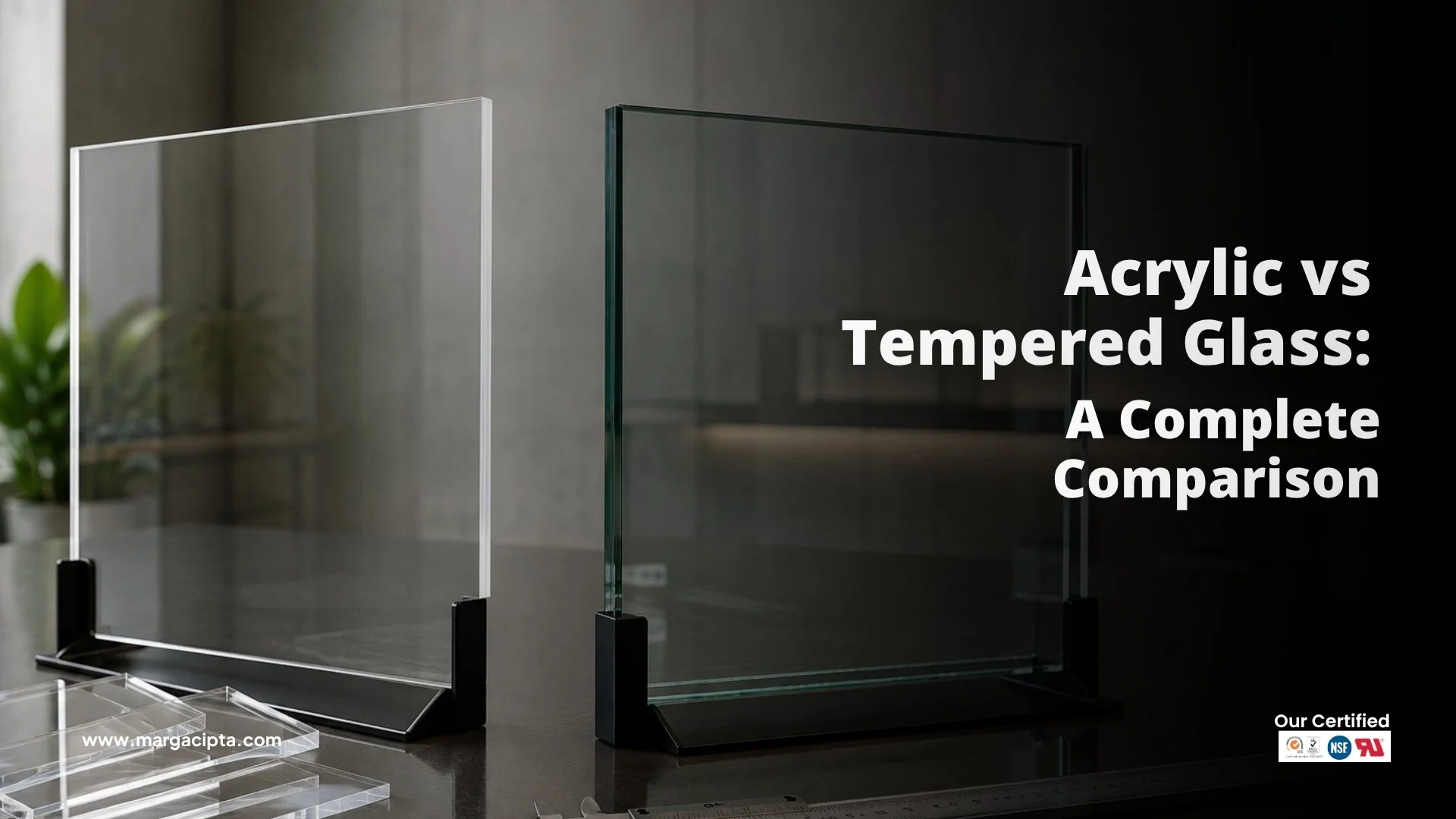
Benefits of Using Clear Cast Acrylic Sheet

Informational

Clear cast acrylic sheet is a versatile material used across many industries, offering a perfect balance between aesthetics and functionality. 

Whether for signage, displays, or architectural applications, this material delivers high-performance benefits that glass and other plastics often can't match.

In this article, we explore the main benefits of using clear cast acrylic sheets and why it has become a popular choice for businesses and designers alike.

1. Exceptional Optical Clarity

One of the most notable advantages of clear cast acrylic is its crystal-clear transparency, often surpassing that of traditional glass. It offers up to 92% light transmission, which makes it ideal for applications that require maximum visibility and clarity. 

This makes it a top choice for museum display cases, protective barriers, and high-end retail displays.

2. Lightweight and Strong

Despite being half the weight of glass, clear cast acrylic sheets offer remarkable strength and durability

It's up to 10 times more impact resistant than glass, making it much safer and less likely to break or shatter. This makes it a reliable solution for both indoor and outdoor use, especially in environments where safety and longevity are key concerns.

Read also: Acrylic Sheet Thickness Guide: How to Choose the Right One

3. Easy to Fabricate and Customize

Clear cast acrylic is highly workable, allowing it to be cut, drilled, polished, and thermoformed with ease. 

Its flexibility in fabrication makes it an excellent option for custom projects such as illuminated signs, furniture panels, or display units. The clean edges and smooth finish after cutting also add to its premium look.

4. UV and Weather Resistant

Another strong benefit of clear cast acrylic sheet is its resistance to UV radiation and weathering

Unlike some other plastics that yellow or become brittle over time, cast acrylic maintains its clarity and strength even when exposed to sunlight and harsh weather conditions.

This makes it suitable for outdoor signage, greenhouse panels, and marine applications.

Read also: Choose the Right Cast Acrylic Color for Your Project

5. Long-Lasting and Low Maintenance

Clear cast acrylic does not degrade quickly, making it a long-lasting investment. It resists scratches and chemical damage better than many other clear plastics. 

Additionally, it only requires mild soap and water for cleaning, which makes it a low-maintenance material for everyday use.

6. Eco-Friendly and Recyclable

More businesses are turning to clear cast acrylic due to its recyclability and lower environmental impact

Many sheets can be repurposed or recycled into new products, making it a responsible choice for eco-conscious industries.

7. Ideal Applications for Clear Cast Acrylic Sheet

Thanks to these benefits, clear cast acrylic sheets are widely used in:

  • Storefront and POS displays
  • Museum and art gallery cases
  • Protective barriers and sneeze guards
  • Lightboxes and illuminated signage
  • Windows and skylights
  • DIY furniture and decor

Clear cast acrylic sheet is a superior alternative to glass and other plastics in many applications.

Its unmatched clarity, strength, and weather resistance make it an excellent choice for designers, architects, and manufacturers looking for both functionality and beauty.

Ready to explore your clear cast acrylic options? At Margacipta Wirasentosa, we offer high-quality clear cast acrylic sheets in various thicknesses and custom sizes to fit your needs.

Reach to our Instagram or download our Product Catalog for more information.


News Release

A Step-by-Step Guide on How to Cut Acrylic Sheet Safely

Acrylic sheets are widely used in industries such as signage, display manufacturing, interior design, and fabrication. Because acrylic is lightweight and easy to shape, it can be cut into various sizes and forms for different applications.

However, cutting acrylic incorrectly may lead to cracking, chipping, or rough edges. To achieve clean and professional results, it is important to follow proper cutting techniques.

This step-by-step guide explains how to cut acrylic sheet properly and safely using commonly available tools.

Step 1: Choose the Right Cutting Tool

The cutting method depends on the thickness of the acrylic sheet.

Common tools used to cut acrylic include:

  • Acrylic scoring knife for thin sheets
  • Table saw or circular saw for thicker panels
  • Laser cutting machines for precise fabrication
  • Jigsaw for curved cuts

For thin sheets under 3 mm, a scoring knife is usually sufficient. For thicker acrylic, power tools are recommended.

Read also: Acrylic Sheet for Interior Design: Modern Applications for 2026

Step 2: Mark the Cutting Line

Before cutting, measure the acrylic sheet carefully and mark the cutting line using a ruler and marker.

To improve accuracy:

  • Use a metal ruler or straight edge
  • Double-check measurements
  • Keep the protective film on the acrylic surface to prevent scratches

Precise marking helps ensure a clean and straight cut.

Step 3: Secure the Acrylic Sheet

Place the acrylic sheet on a stable work surface and secure it using clamps if necessary.

This prevents the material from moving during the cutting process and reduces the risk of uneven cuts.

If using power tools, make sure the sheet is supported evenly on both sides.

Step 4: Cut the Acrylic Slowly

When cutting acrylic, slow and steady movement is important.

For scoring knives:

  1. Score the marked line multiple times using firm pressure.
  2. Move the sheet to the edge of a table.
  3. Snap the sheet carefully along the scored line.

For saw cutting:

  • Use fine-tooth blades designed for plastics.
  • Avoid cutting too fast to prevent melting or chipping.

Read also: How to Identify High-Quality Cast Acrylic Sheets | Buyer’s Guide

Step 5: Smooth the Edges

After cutting, the acrylic edge may feel rough or sharp. To achieve a smooth finish:

  • Use fine sandpaper to polish the edge
  • Apply gradual pressure while sanding
  • Clean the surface after finishing

For professional fabrication, polishing techniques such as flame polishing or buffing may also be used.

Safety Tips When Cutting Acrylic

Always prioritize safety when working with acrylic sheets. Important safety precautions include:

  • Wear safety glasses to protect your eyes
  • Use gloves to avoid cuts from sharp edges
  • Ensure proper ventilation when using power tools
  • Keep hands away from the blade during cutting

These steps help reduce the risk of injury and improve cutting accuracy.

Conclusion

Learning how to cut acrylic sheet properly can significantly improve the quality of fabrication projects.

By using the right tools, marking accurately, cutting slowly, and smoothing the edges, you can achieve clean, professional results without damaging the material.

Whether you are working on signage, display stands, or DIY projects, proper cutting techniques will help you maximize the versatility of acrylic sheets.

Cast Acrylic for Medical Use: Durable, Safe, and Hygienic Material

The healthcare industry demands materials that meet strict safety, hygiene, and durability standards. Among the many materials used today, cast acrylic sheets have become one of the most trusted and versatile options in the medical field.

Strong, lightweight, and crystal-clear, cast acrylic combines functionality with a clean, modern look, making it suitable for everything from protective barriers to medical equipment enclosures.

Why Cast Acrylic is Ideal for Medical Applications

Cast acrylic sheets are known for their optical clarity, chemical resistance, and high impact strength. These properties make acrylic a preferred material for hospitals, clinics, laboratories, and pharmaceutical facilities.

Here are several reasons why cast acrylic is widely used in the medical industry:

1. Exceptional Clarity

Cast acrylic has a high light transmission, allowing perfect visibility that is crucial for protective shields, instrument covers, and observation panels.

2. Excellent Hygiene

The smooth, non-porous surface of acrylic makes it resistant to bacteria and easy to clean, supporting strict hygiene protocols in medical environments.

Read also: Does Acrylic Shatter? Find Out Its Strength and Durability

3. Chemical Resistance

Cast acrylic can withstand frequent cleaning with disinfectants, alcohol, and other sanitizing agents without losing transparency or strength.

4. Lightweight and Safe

Compared to glass, acrylic is half the weight but 10 times more impact-resistant, reducing the risk of shattering and injury.

5. Customizable and Versatile

Acrylic sheets are easy to cut, thermoform, and fabricate into various shapes, suitable for a wide range of hospital applications.

Common Applications of Cast Acrylic in the Medical Field

1. Protective Barriers and Shields

Since the COVID-19 pandemic, acrylic barriers have become a standard feature in clinics, pharmacies, and laboratories. 

Cast acrylic offers clear visibility while providing a durable protective layer between patients and medical staff.

2. Medical Equipment Enclosures

Many diagnostic and laboratory devices use acrylic covers because they provide visibility, protection, and easy access for maintenance.

3. Hospital Furniture and Fixtures

Acrylic is used for bed headboards, medical carts, light diffusers, and partitions, offering a sleek and hygienic finish that’s easy to sanitize.

Read also: Do’s and Don’ts: Cleaning Acrylic Sheet the Right Way

4. Lighting and Display Panels

Cast acrylic diffuses light evenly, making it ideal for backlit panels in hospital signage and medical instrument displays.

5. Dental and Laboratory Tools

Acrylic’s chemical resistance and cleanability make it a reliable material for trays, sample containers, and protective instrument covers.

Why Choose Margacipta Cast Acrylic Sheets

Margacipta is one of Indonesia’s leading manufacturers of high-quality cast acrylic sheets, trusted across various industries, including medical, architectural, and industrial applications.

Our cast acrylic sheets are:

  • Manufactured with precision, ensuring consistent clarity and thickness.
  • Resistant to chemicals and UV, suitable for long-term use in medical environments.
  • Available in multiple colors and finishes, including clear, frosted, and matte.
  • Customizable in size and shape, meeting specific design or functional requirements.

With MC® cast acrylic sheet, hospitals and healthcare facilities can ensure durable, hygienic, and safe acrylic solutions for their operations.

MC® cast acrylic sheet is the perfect solution for hospitals and laboratories seeking reliable, long-lasting materials.

Acrylic Sheet for Display Stand: Best Thickness and Type to Use

Acrylic sheet has become one of the most popular materials for display stands due to its clarity, durability, and versatility. Whether used in retail stores, exhibitions, or offices, choosing the right acrylic sheet for display stand is essential to ensure both aesthetics and functionality.

However, many people still struggle to determine the best thickness and type for their specific needs.

Why Acrylic Sheet is Ideal for Display Stands

Acrylic offers several advantages compared to glass or other materials:

  • High transparency similar to glass but lighter
  • Shatter-resistant and safer to use
  • Easy to fabricate (cutting, bending, engraving)
  • Professional and modern appearance

These qualities make acrylic sheets a top choice for product displays, signage, brochure holders, and more.

Read also: A Step-by-Step Guide on How to Cut Acrylic Sheet Safely

Best Thickness for Acrylic Display Stand

Choosing the right thickness depends on the size and purpose of the display.

Here are common recommendations:

  • 2-3 mm:
    Suitable for small, lightweight displays such as price tags or brochure holders.
  • 4-5 mm:
    Ideal for medium-sized display stands with moderate weight.
  • 6 mm and above:
    Recommended for larger or heavy-duty displays that require extra strength and stability.

Using acrylic that is too thin may cause bending or cracking, while overly thick sheets can increase costs unnecessarily.

Types of Acrylic Sheet

Understanding the different types of acrylic is equally important.

1. Cast Acrylic

  • Higher clarity and premium finish
  • Better for laser cutting and polishing
  • More durable and resistant to chemicals

Best for high-end display stands where appearance matters.

2. Extruded Acrylic

  • More affordable
  • Consistent thickness
  • Easier for mass production

Suitable for standard display applications with budget considerations.

Clear vs Colored Acrylic

  • Clear acrylic: Most common, ideal for showcasing products without distraction
  • Colored acrylic: Adds branding and visual appeal
  • Frosted acrylic: Provides a premium, soft look and reduces glare

The choice depends on branding and display goals.

Read also: How to Choose UV Resistant Acrylic Sheets for Outdoor Applications

Tips for Choosing the Right Acrylic Sheet

To ensure the best result:

  • Match thickness with the load and size of display
  • Choose cast acrylic for premium finishes
  • Consider environment (indoor vs outdoor use)
  • Ensure proper cutting and bending process

Common Mistakes to Avoid

  • Using acrylic that is too thin for heavy products
  • Ignoring surface finish quality
  • Choosing the wrong type for fabrication method

These mistakes can reduce durability and visual impact.

Conclusion

Selecting the right acrylic sheet for the display stand involves balancing thickness, type, and purpose. By understanding these factors, you can create displays that are both durable and visually appealing.

Looking for high-quality acrylic sheets?

Marga Cipta provides a wide range of acrylic sheets with various thicknesses and types, suitable for display stands, signage, and custom applications. Get the right material to elevate your display quality.

Acrylic vs Glass for Plaque: Which Material is Better?

Acrylic is generally better than glass for plaque applications.

It offers higher impact resistance, lighter weight, and easier fabrication while still maintaining a clear, premium appearance.

For most commercial and design purposes, acrylic provides a more practical and efficient solution.

Quick Comparison: Acrylic vs Glass

Feature

Acrylic

Glass

Impact Resistance

High (does not shatter easily)

Low (breakable)

Weight

Lightweight

Heavy

Clarity

Excellent

Excellent

Fabrication

Easy

Limited

Cost

More efficient

Higher overall cost

Durability and Safety

Acrylic is significantly more impact-resistant than glass. It does not shatter easily, making it safer for use in offices, public spaces, and high-traffic environments.

Glass, while visually appealing, is fragile and prone to breaking. This can lead to safety risks and higher replacement costs.

Read also: How to Choose UV Resistant Acrylic Sheets for Outdoor Applications

Visual Appearance

Both materials offer a clean and transparent look, but acrylic has a more consistent and modern finish.

Acrylic sheets also provide better results for:

  • UV printing
  • Laser engraving
  • Custom designs

Glass may have a slight tint depending on its composition, while acrylic maintains clearer visual consistency.

Weight and Installation

Acrylic is much lighter than glass, making it easier to handle, transport, and install.

This is especially important for:

  • Large plaques
  • Wall-mounted signage
  • Bulk production

Glass requires more careful handling and stronger support systems due to its weight.

Fabrication and Flexibility

Acrylic is highly versatile and compatible with modern production techniques.

It can be:

  • Cut precisely
  • Engraved easily
  • Printed directly

Glass, on the other hand, requires specialized tools and has limited flexibility for customization.

Cost Efficiency

Acrylic is generally more cost-effective than glass when considering:

  • Material cost
  • Fabrication process
  • Transportation and installation

Its durability also reduces the risk of damage, making it a more reliable long-term investment.

Read also: What Acrylic to Use for Cake Topper: A Complete Material Guide

Why Acrylic is the Preferred Material

For most plaque applications, acrylic offers the best balance between:

  • Durability
  • Aesthetics
  • Practicality

This is why many businesses and manufacturers choose acrylic sheets as their primary material.

Marga Cipta provides high-quality acrylic sheets that are suitable for various fabrication methods, helping ensure consistent and professional results.

Conclusion

In the comparison of acrylic vs glass for plaque, acrylic stands out as the better overall material.

It combines strength, clarity, and flexibility, making it ideal for modern plaque production. For businesses looking for efficiency and reliability, acrylic is the smarter choice.