How to Drill Acrylic Sheet Safely: A Complete Beginner’s Guide
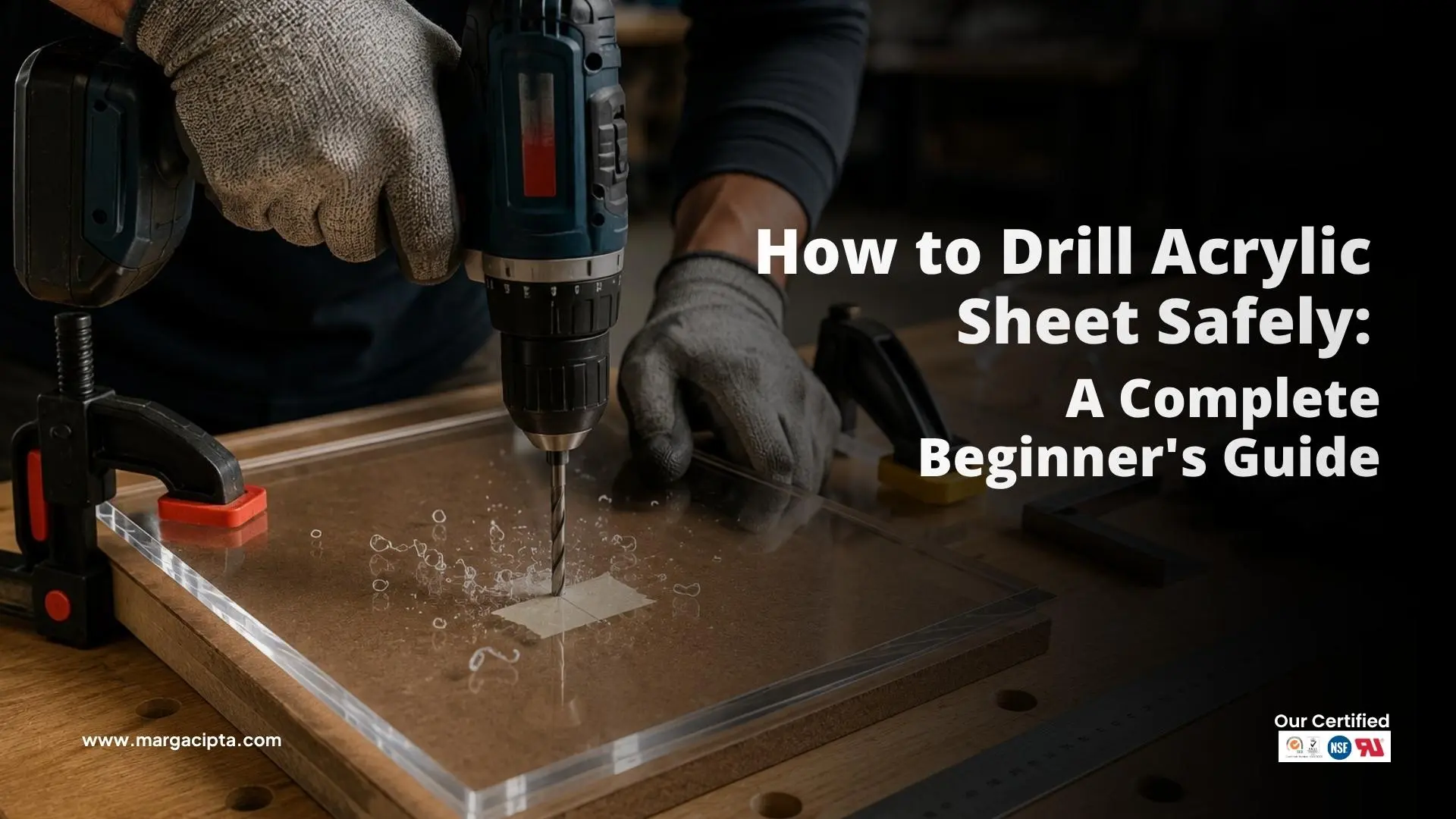
The safest way to drill acrylic sheet is by using the correct drill bit, applying light pressure, and supporting the material properly to prevent cracking or chipping.
Whether you're fabricating signage, display stands, furniture, or decorative products, proper drilling techniques help achieve clean, accurate holes while preserving the quality of the acrylic.
Fortunately, drilling acrylic is straightforward when the right tools and methods are used.
Can You Drill Acrylic Sheet?
Yes. Acrylic sheets can be drilled successfully using standard drilling equipment, provided the correct technique is followed.
Unlike glass, acrylic is easier to machine and fabricate. However, improper drilling can create stress that leads to cracks or chipped edges.
Using suitable tools and maintaining proper drilling speed greatly reduces these risks.
Read also: Why Does Acrylic Turn Yellow? Causes and Prevention
Tools You'll Need
Before starting, prepare the following:
- Power drill or drill press
- Acrylic-compatible drill bit
- Clamps
- Wooden backing board
- Safety glasses
- Measuring tools and marker
A stable setup helps improve drilling accuracy and protects the acrylic during the process.
Step 1: Mark the Hole Location
Measure carefully and mark the drilling point.
Using masking tape over the drilling area can help improve visibility and reduce surface chipping.
Step 2: Support the Acrylic
Place the acrylic sheet on a flat wooden backing board.
This supports the material and minimizes vibration while drilling.
Never drill acrylic while it is unsupported.
Step 3: Use the Correct Drill Bit
Using an appropriate drill bit is one of the most important factors in preventing cracks.
Specialized acrylic drill bits or modified plastic drill bits typically produce cleaner holes than standard metal drill bits.
Sharp tools also help reduce stress on the material.
Step 4: Drill Slowly
Apply gentle, consistent pressure while maintaining a moderate drilling speed.
Avoid forcing the drill through the acrylic.
Allow the drill bit to remove material gradually rather than generating excessive heat.
Step 5: Finish Carefully
As the drill bit approaches the exit side of the acrylic, reduce pressure even further.
This helps prevent chipping when the hole is completed.
After drilling, remove any dust and inspect the hole for smoothness.
Common Mistakes to Avoid
Many acrylic drilling problems can be prevented by avoiding these common mistakes:
- Drilling too quickly
- Applying excessive pressure
- Using dull drill bits
- Skipping the backing board
- Drilling too close to the sheet edge
- Using damaged or low-quality acrylic
Careful preparation greatly improves the final result.
Why High-Quality Acrylic Matters
Material quality influences fabrication performance.
Premium cast acrylic sheets generally provide:
- Consistent thickness
- Better machining characteristics
- Cleaner drilling results
- Reduced risk of cracking
- Professional-quality finishes
Marga Cipta manufactures premium cast acrylic sheets suitable for drilling, laser cutting, CNC machining, engraving, and custom fabrication.
Read also: Laser Cut Acrylic Sheet: Benefits, Applications, and Design Tips
Conclusion
Learning how to drill acrylic sheet safely helps prevent cracks while producing clean and accurate holes for fabrication projects.
By using the right drill bit, supporting the material properly, and drilling at a controlled speed, both beginners and professionals can achieve reliable, high-quality results.
Fabricate with Confidence Using Marga Cipta Acrylic
Marga Cipta offers premium cast acrylic sheets designed for machining, drilling, laser cutting, engraving, and custom fabrication.
For inquiries or orders, email info@margacipta.com.
For product information, inspiration, and the latest updates, follow Instagram @margacipta.