How Long Does Acrylic Last Outdoors? Lifespan, UV Resistance, and Maintenance

Informational

High-quality acrylic can last 10 to 20 years or more outdoors, depending on environmental conditions, material quality, and maintenance practices. Its excellent UV resistance and weather durability make acrylic one of the most reliable materials for outdoor applications.

From signage and architectural features to display systems, acrylic is commonly chosen for projects that require long-term performance in outdoor environments.

Why Acrylic Is Suitable for Outdoor Use

Acrylic is specifically valued for its ability to withstand exposure to sunlight, rain, humidity, and temperature fluctuations.

Unlike many plastics that become yellow or brittle over time, quality acrylic sheets are designed to maintain their clarity and structural integrity for years.

Key outdoor advantages include:

  • UV resistance
  • Moisture resistance
  • Lightweight structure
  • Good weather durability
  • Excellent optical clarity

These properties make acrylic a practical choice for exterior applications.

Read also: Types of Acrylic: Complete Guide to Different Acrylic Sheets and Their Uses

How Long Can Acrylic Last Outdoors?

The outdoor lifespan of acrylic depends on several factors.

In general:

  • Standard outdoor applications: 10-15 years
  • Premium UV-resistant acrylic: 15-20+ years
  • Protected outdoor environments: potentially longer

Many commercial signs and display systems continue performing well long after installation when proper materials and maintenance practices are used.

Understanding UV Resistance

One of acrylic's most important outdoor characteristics is its natural resistance to ultraviolet (UV) radiation.

Continuous sun exposure can damage many plastics, causing:

  • Yellowing
  • Cracking
  • Brittleness
  • Reduced transparency

High-quality acrylic sheets are designed to resist these effects, helping maintain their appearance and performance over time.

This is why acrylic is frequently used for:

  • Outdoor signage
  • Light boxes
  • Storefront displays
  • Protective panels
  • Architectural glazing

Factors That Affect Acrylic Lifespan

Several conditions can influence how long acrylic lasts outdoors.

1. Material Quality

Premium acrylic sheets generally offer better UV stability and weather resistance than lower-quality alternatives.

2. Climate Conditions

Areas with intense sunlight, high humidity, or extreme weather may place greater stress on outdoor materials.

3. Installation Quality

Proper support and installation help prevent unnecessary stress that can reduce material lifespan.

4. Maintenance Practices

Regular cleaning and proper care can significantly improve long-term performance.

How to Maintain Outdoor Acrylic

To maximize outdoor durability:

1. Use Acrylic-Safe Cleaners

Avoid harsh chemicals that can damage the surface or weaken the material.

2. Clean Regularly

Removing dirt and debris helps preserve clarity and appearance.

3. Inspect Periodically

Routine inspections can identify minor issues before they become significant problems.

4. Avoid Excessive Mechanical Stress

Proper installation and support help prevent cracking or warping over time.

Why High-Quality Acrylic Matters

The quality of the acrylic sheet often determines how well it performs outdoors.

Premium acrylic typically offers:

  • Better UV resistance
  • Longer lifespan
  • Improved clarity retention
  • Enhanced weather performance

Marga Cipta supplies high-quality acrylic sheets designed for both indoor and outdoor applications, helping businesses achieve durable and professional results.

Read also: Acrylic Cleaner Guide: Safe Liquids to Clean Acrylic Without Damage

Conclusion

So, how long does acrylic last outdoors? In most cases, high-quality acrylic can last between 10 and 20 years or more when properly installed and maintained.

Its UV resistance, weather durability, and excellent clarity make it a trusted material for outdoor signage, displays, and architectural projects. By choosing premium acrylic sheets and following proper maintenance practices, users can maximize both performance and lifespan.

Ready to explore our cast acrylic options? At Margacipta Wirasentosa, we offer high-quality clear cast acrylic sheets from 100% virgin MMA in various thicknesses and custom sizes to fit your needs.

Reach out to our Instagram or download our Product Catalog for more information.

News Release

Custom Acrylic Sheet Supplier in Indonesia: How to Choose the Right Partner

As demand for acrylic products continues to grow, finding a reliable custom acrylic sheet supplier in Indonesia becomes increasingly important.

Whether for retail displays, signage, construction, or industrial use, choosing the right supplier can significantly impact your project’s quality and efficiency.

But with many options available, how do you choose the right partner?

Why Choosing the Right Supplier Matters

A good supplier does more than just provide materials. They ensure:

  • Consistent product quality
  • Accurate customization
  • Reliable delivery timelines
  • Professional support and consultation

Working with the wrong supplier can lead to delays, poor results, and higher costs.

Find out key factors to consider and how to find a good acrylic supplier for your needs.

Read more: 100% Virgin MMA: The Key to High-Quality Acrylic Sheets

Key Factors to Consider

1. Product Quality

High-quality acrylic should have:

  • Excellent clarity
  • Smooth surface finish
  • Strong durability

Always check if the supplier offers cast acrylic for premium applications.

2. Customization Capability

A reliable supplier should provide:

  • Custom cutting and sizing
  • Bending and forming
  • Laser cutting

This is crucial for projects that require precise specifications.

3. Variety of Options

Choose a supplier that offers:

  • Multiple thickness options
  • Clear, colored, and frosted acrylic
  • Different acrylic types for various applications

More options mean better flexibility for your project.

4. Experience and Reputation

Look for suppliers with:

  • Proven track record
  • Positive client feedback
  • Experience in handling diverse industries

Experienced suppliers are more likely to understand your needs.

5. Lead Time and Availability

Timely delivery is essential, especially for business projects. Ensure the supplier can:

  • Meet deadlines
  • Maintain consistent stock availability

Read also: Does Acrylic Shatter? Find Out Its Strength and Durability

Questions to Ask Before Choosing

  • Do they provide custom fabrication services?
  • What types of acrylic do they offer?
  • Can they handle bulk orders?
  • How fast is their production and delivery time?

Common Mistakes to Avoid

  • Choosing based on price alone
  • Ignoring material specifications
  • Not verifying supplier credibility

These can result in poor-quality output and project delays.

Benefits of Working with a Professional Supplier

A trusted supplier helps you:

  • Achieve precise results
  • Reduce material waste
  • Improve overall project quality

They act as a partner, not just a vendor.

Conclusion

Choosing the right custom acrylic sheet supplier in Indonesia requires careful consideration of quality, capability, and reliability.

Need a trusted acrylic partner?

Marga Cipta offers custom acrylic sheet solutions with various types, sizes, and fabrication options to support your project needs. Work with a supplier that understands quality and precision.

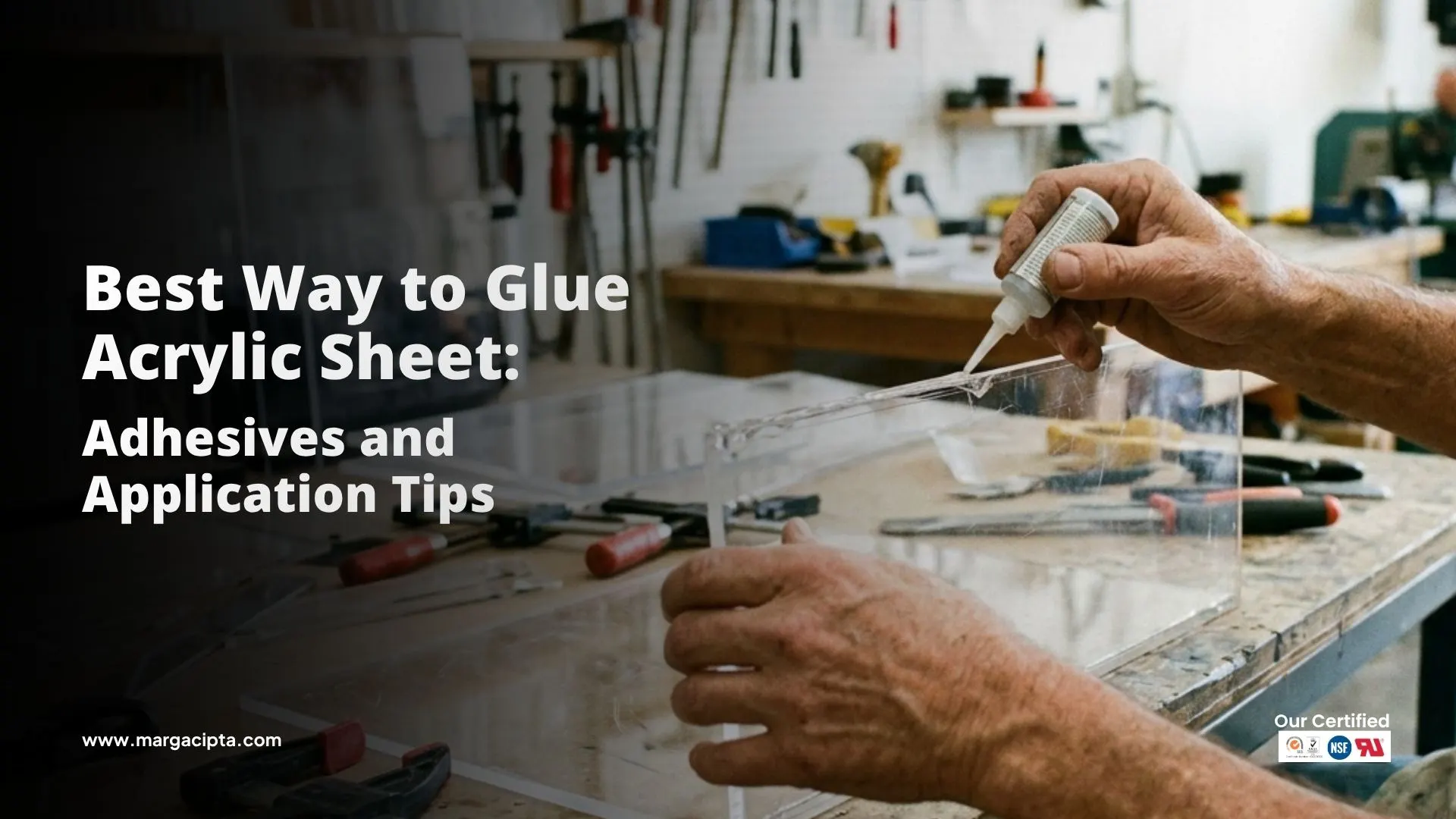
Best Way to Glue Acrylic Sheet: Adhesives and Application Tips

The best way to glue acrylic sheet is by using adhesives specifically formulated for acrylic, combined with proper surface preparation and careful application. 

Choosing the right adhesive and technique helps create strong, nearly invisible joints while minimizing bubbles, gaps, or surface damage.

Whether you're fabricating retail displays, signage, furniture, or custom acrylic products, understanding how to bond acrylic correctly is essential for achieving professional results.

Why Acrylic Requires Special Adhesives

Unlike wood or metal, acrylic cannot be effectively bonded using standard household glues.

Acrylic adhesives work by chemically bonding or welding the material, creating a much stronger connection than ordinary glue.

Using the correct adhesive offers several advantages:

  • Strong and durable joints
  • Clear, clean bonding lines
  • Better resistance to separation
  • Professional appearance

Selecting the wrong adhesive may lead to weak bonds, discoloration, or visible glue marks.

Read also: How to Bend Acrylic Sheet: Methods, Tools, and Best Practices

Common Adhesives for Acrylic Sheets

Several types of adhesives are commonly used depending on the project.

Solvent-Based Acrylic Cement

This is the preferred choice for many acrylic fabrication projects.

It softens the acrylic surfaces, allowing them to fuse together into a strong bond.

Ideal for:

  • Display cases
  • Retail fixtures
  • Signage
  • Clear acrylic assemblies

Two-Part Acrylic Adhesive

Two-part adhesives provide excellent strength and are suitable for larger or structural applications.

They are often used when maximum durability is required.

Specialty Acrylic Adhesives

Some manufacturers offer adhesives formulated specifically for decorative or high-performance acrylic applications.

These products are designed to maintain clarity while providing reliable bonding.

How to Prepare Acrylic Before Gluing

Proper preparation is essential for achieving a clean bond.

Before applying adhesive:

  • Clean the surfaces thoroughly
  • Remove dust and grease
  • Ensure edges fit together accurately
  • Leave protective film in place where possible to prevent scratches

Good preparation reduces the likelihood of visible imperfections after bonding.

Best Practices for Applying Adhesive

To achieve professional results:

Apply Adhesive Sparingly

Using excessive adhesive can create bubbles or overflow marks.

Align the Pieces Carefully

Position the acrylic accurately before the adhesive cures, as adjustments may become difficult afterward.

Use Clamps if Necessary

Gentle clamping helps maintain alignment while the adhesive sets.

Allow Adequate Curing Time

Follow the manufacturer's recommendations before moving or using the finished product.

Common Mistakes to Avoid

Avoid these common errors when gluing acrylic sheets:

  • Using general-purpose household glue
  • Applying too much adhesive
  • Bonding dirty surfaces
  • Forcing pieces together after curing begins
  • Handling the assembly before it has fully cured

Proper technique helps improve both strength and appearance.

Why High-Quality Acrylic Matters

Bonding performance also depends on the quality of the acrylic sheet itself.

Premium acrylic typically offers:

  • Consistent thickness
  • Smooth edges
  • Better machining quality
  • More reliable fabrication performance

Using high-quality acrylic helps achieve cleaner joints and more professional finished products.

Marga Cipta supplies premium acrylic sheets suitable for fabrication, laser cutting, engraving, and custom manufacturing applications.

Read also: Acrylic Cleaner Guide: Safe Liquids to Clean Acrylic Without Damage

Conclusion

Knowing how to glue acrylic sheet properly is essential for creating durable and visually appealing acrylic products.

By choosing the right adhesive, preparing the material correctly, and following proper application techniques, manufacturers and fabricators can achieve strong, long-lasting bonds.

Looking for High-Quality Acrylic Sheets?

Marga Cipta offers premium acrylic sheets in various thicknesses, colors, and finishes for signage, displays, furniture, and fabrication projects.

For inquiries or orders, email info@margacipta.com.

For product information, inspiration, and the latest updates, follow Instagram @margacipta.

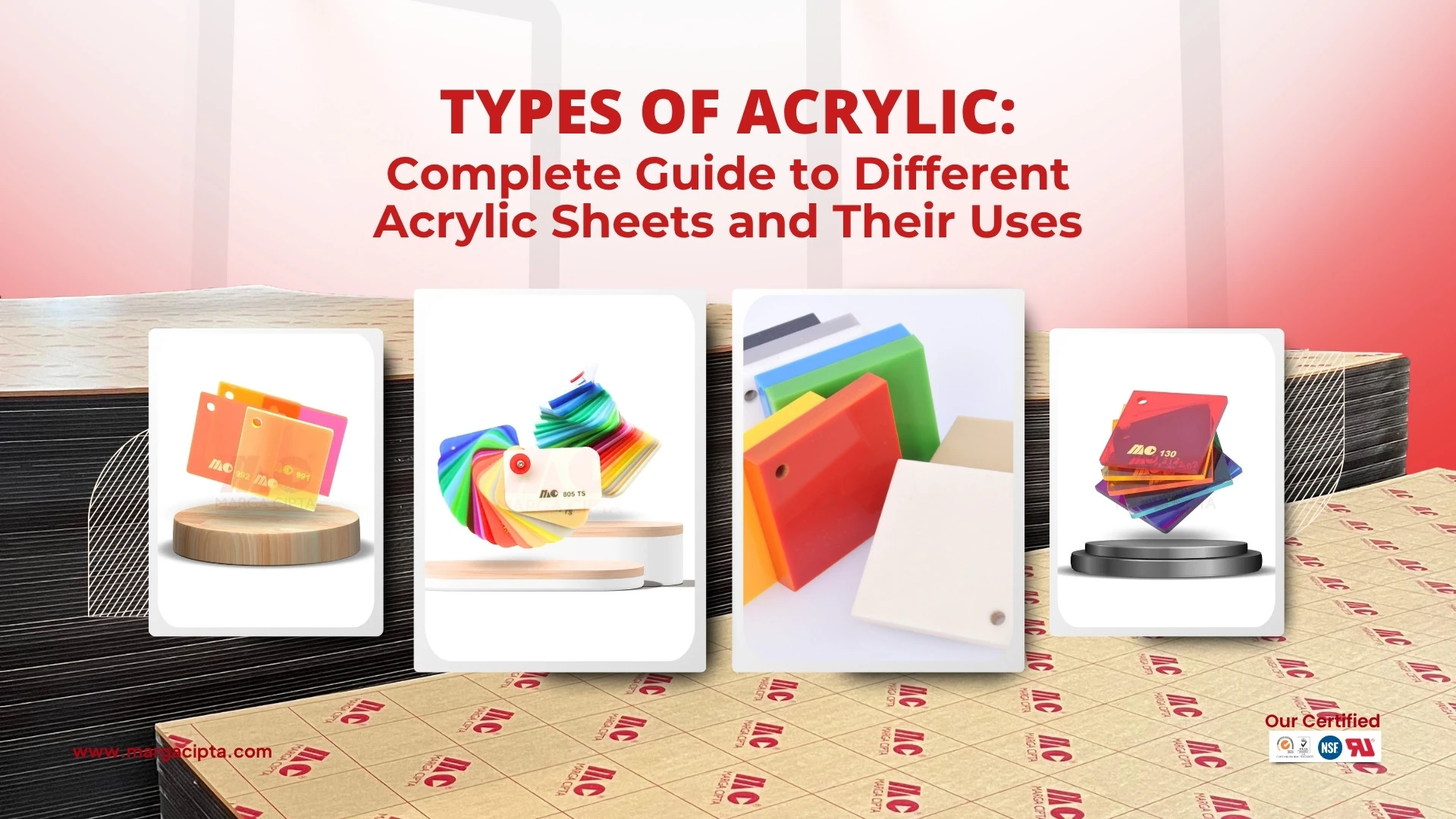
Types of Acrylic: Complete Guide to Different Acrylic Sheets and Their Uses

The main types of acrylic include cast acrylic, extruded acrylic, clear acrylic, colored acrylic, frosted acrylic, and mirrored acrylic.

Each type offers different characteristics, making them suitable for specific fabrication, signage, and decorative applications.

Understanding the different types of acrylic is important when selecting the right material for your project.

What is Acrylic?

Acrylic is a transparent thermoplastic material widely used as an alternative to glass. It is known for its excellent clarity, lightweight structure, and fabrication flexibility.

Compared to glass, acrylic is:

  • More impact resistant
  • Easier to fabricate
  • Lighter in weight
  • Available in various finishes and colors

These qualities make acrylic sheets popular across industries such as retail, construction, interior design, and manufacturing.

Read also: Best Acrylic Thickness for Ornaments: Size Guide for Perfect Results

1. Cast Acrylic

Cast acrylic is produced by pouring liquid acrylic into molds before curing.

This type is known for:

  • Excellent optical clarity
  • Better chemical resistance
  • Superior engraving quality
  • Stronger surface hardness

Cast acrylic is commonly used for:

  • Signage
  • Premium displays
  • Laser engraving
  • Decorative applications

Because of its high-quality finish, cast acrylic is often preferred for projects that require precision and aesthetics.

2. Extruded Acrylic

Extruded acrylic is manufactured through a continuous production process.

Compared to cast acrylic, it offers:

  • More affordable pricing
  • Consistent thickness
  • Easier thermoforming

It is commonly used for:

  • General fabrication
  • Protective panels
  • Cost-efficient production projects

While extruded acrylic is softer than cast acrylic, it remains a practical choice for many standard applications.

3. Clear Acrylic

Clear acrylic sheets are the most commonly used type.

They provide:

  • High transparency
  • Glass-like appearance
  • Smooth surface finish

Applications include:

  • Retail displays
  • Aquariums
  • Protective barriers
  • Signage

Clear acrylic is ideal when visibility and a clean aesthetic are priorities.

4. Colored Acrylic

Colored acrylic sheets are available in a wide range of solid and transparent colors.

Benefits include:

  • Consistent color throughout the sheet
  • Strong visual appeal
  • Better branding flexibility

Colored acrylic is often used for:

  • Decorative ornaments
  • Branding elements
  • Interior accents
  • Creative fabrication projects

5. Frosted Acrylic

Frosted acrylic features a matte surface that diffuses light. It is commonly selected for:

  • Privacy panels
  • Minimalist interior design
  • Elegant signage

Its soft appearance helps reduce glare and fingerprints.

6. Mirrored Acrylic

Mirrored acrylic provides a reflective surface similar to traditional mirrors but with lighter weight and better impact resistance.

Common applications include:

  • Decorative panels
  • Retail displays
  • Event decorations

It is available in various finishes such as silver, gold, and colored mirror effects.

How to Choose the Right Acrylic Type

Choosing the right acrylic depends on:

  • Application purpose
  • Fabrication method
  • Desired appearance
  • Budget considerations

For example:

  • Cast acrylic → better for engraving and premium designs
  • Extruded acrylic → suitable for cost-efficient fabrication
  • Frosted acrylic → ideal for elegant and modern finishes

Read also: Acrylic vs Glass for Plaque: Which Material is Better?

Why Material Quality Matters

High-quality acrylic sheets provide:

  • Better clarity
  • Consistent thickness
  • Improved fabrication performance

Using reliable materials helps reduce production issues and ensures professional results.

Marga Cipta supplies premium acrylic sheets in various types and finishes to support different fabrication and design needs.

Conclusion

Understanding the different types of acrylic helps you select the right material for your project.

From clear and colored acrylic to cast and mirrored finishes, each type offers unique advantages for specific applications. By choosing high-quality acrylic sheets, businesses and manufacturers can achieve more durable and visually appealing results.

Ready to explore our cast acrylic options? At Margacipta Wirasentosa, we offer high-quality clear cast acrylic sheets from 100% virgin MMA in various thicknesses and custom sizes to fit your needs.

Reach out to our Instagram or download our Product Catalog for more information.
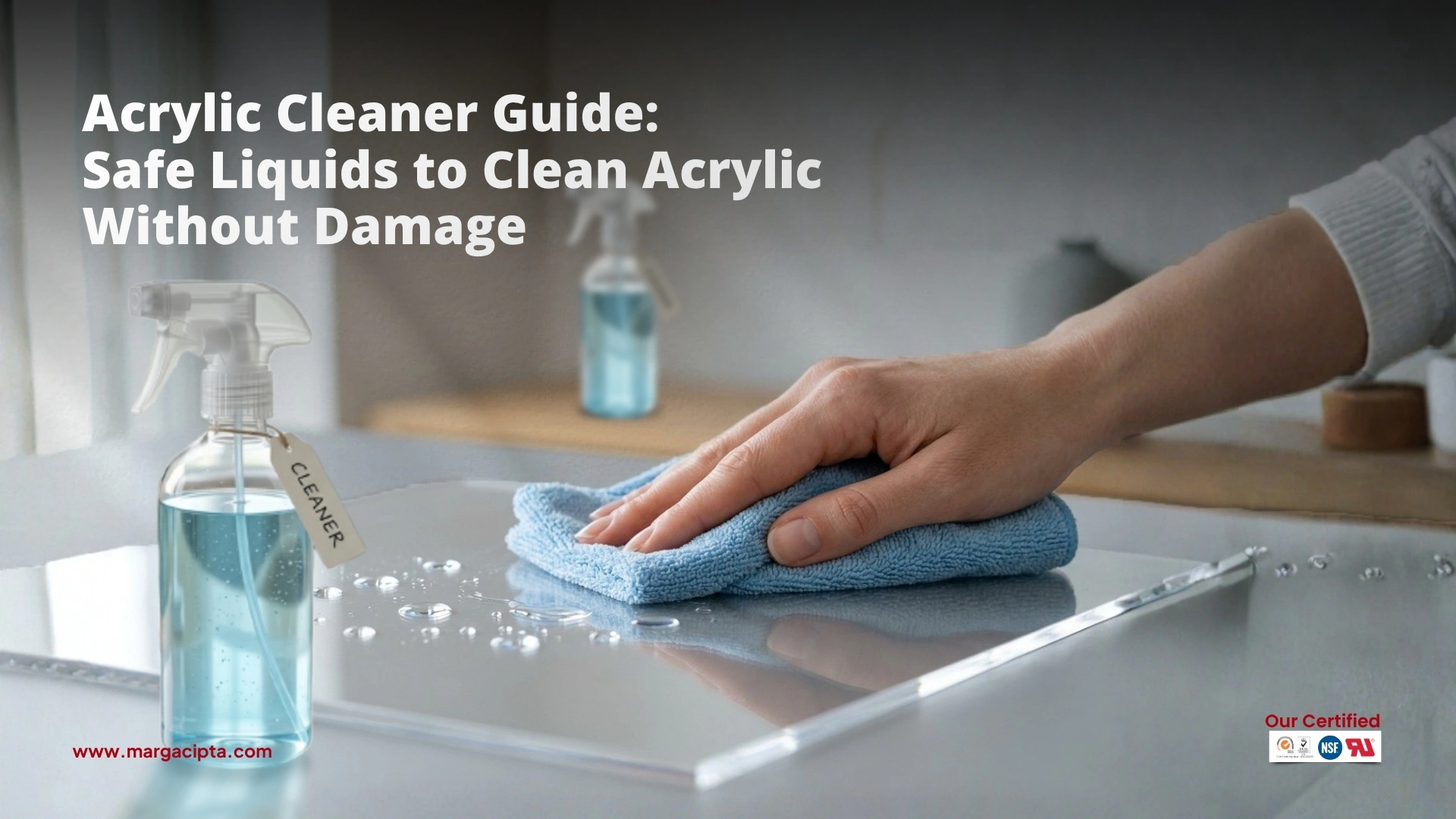
Acrylic Cleaner Guide: Safe Liquids to Clean Acrylic Without Damage

The best acrylic cleaner is a mild, non-abrasive liquid that cleans the surface without causing scratches, cloudiness, or chemical damage.

Using the wrong cleaner can permanently affect the appearance of acrylic sheets, especially clear acrylic surfaces.

To maintain clarity and durability, it is important to use safe cleaning solutions specifically suited for acrylic materials.

Why Acrylic Requires Special Cleaning

Acrylic sheets are durable and visually appealing, but their surface is more sensitive than glass. Using harsh chemicals or rough cleaning tools may cause:

  • Fine scratches
  • Cloudy appearance
  • Surface damage
  • Reduced clarity over time

Proper cleaning helps preserve the smooth finish and extends the lifespan of the material.

Read also: Why Cast Acrylic Is Better Than Glass: Benefits You Should Know

Best Liquids to Clean Acrylic

1. Mild Soap and Water

A mixture of mild liquid soap and clean water is one of the safest options for acrylic cleaning.

Benefits:

  • Gentle on the surface
  • Easy to use
  • Suitable for regular maintenance

Use a soft microfiber cloth to wipe the acrylic gently.

2. Specialized Acrylic Cleaner

Acrylic-specific cleaners are designed to remove dust, fingerprints, and dirt without damaging the material.

These cleaners help:

  • Reduce static buildup
  • Maintain clarity
  • Minimize streaks

They are recommended for displays, signage, and premium acrylic applications

3. Distilled Water

For light dust and minor cleaning, distilled water can be used safely. It helps prevent mineral spots and streaks that may occur with regular tap water.

Cleaning Tools to Use

When cleaning acrylic, always use:

  • Soft microfiber cloths
  • Non-abrasive wipes
  • Gentle wiping motions

Avoid:

  • Paper towels
  • Rough fabrics
  • Scrubbing pads

These materials can create fine scratches on the surface.

Liquids to Avoid

Certain chemicals should never be used on acrylic sheets.

Avoid:

  • Ammonia-based cleaners
  • Alcohol-based liquids
  • Glass cleaners
  • Strong solvents

These substances can cause acrylic to become cloudy, brittle, or cracked over time.

Proper Cleaning Technique

For best results:

  1. Remove loose dust first
  2. Apply cleaner gently
  3. Wipe in straight motions
  4. Dry using a clean microfiber cloth

Avoid circular scrubbing, as it may create visible swirl marks.

Read also: What Is Cast Acrylic Used For? A Closer Look

Why Acrylic Quality Also Matters

High-quality acrylic sheets generally offer:

  • Better surface consistency
  • Improved resistance to minor scratches
  • Longer-lasting clarity

Using premium acrylic materials helps maintain appearance even with frequent cleaning.

Marga Cipta supplies high-quality acrylic sheets suitable for displays, signage, fabrication, and decorative applications.

Conclusion

Choosing the right acrylic cleaner is essential to maintaining the clarity and durability of acrylic sheets.

Safe cleaning liquids such as mild soap solutions and specialized acrylic cleaners help prevent scratches and damage. Combined with proper cleaning techniques and high-quality materials, acrylic surfaces can remain clear and visually appealing for a long time.

Ready to explore our cast acrylic options? At Margacipta Wirasentosa, we offer high-quality clear cast acrylic sheets from 100% virgin MMA in various thicknesses and custom sizes to fit your needs.

Reach out to our Instagram or download our Product Catalog for more information.